Introduction
The use of recombinant proteins as antigens has become increasingly popular in the field of vaccine development. One such protein, the Recombinant Eimeria tenella Membrane-associated calcium-binding protein (Et-CaBP), has shown promising results as a potential vaccine candidate against Eimeria tenella, a protozoan parasite that causes coccidiosis in poultry. In this article, we will discuss the structure, activity, and application of Et-CaBP as an antigen in the development of a coccidiosis vaccine.
Structure of Et-CaBP
Et-CaBP is a 32 kDa protein that is present on the surface of Eimeria tenella sporozoites, the infective stage of the parasite. It is composed of 284 amino acids and contains two EF-hand calcium-binding motifs, which are responsible for its calcium-binding activity. The protein also has a hydrophobic C-terminal domain that anchors it to the cell membrane.
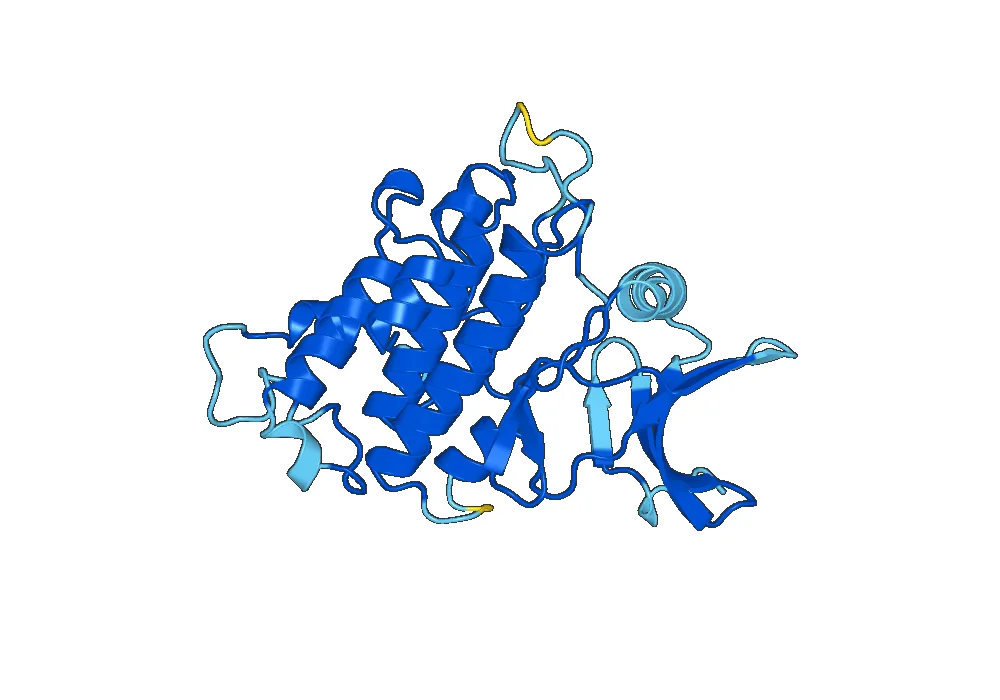
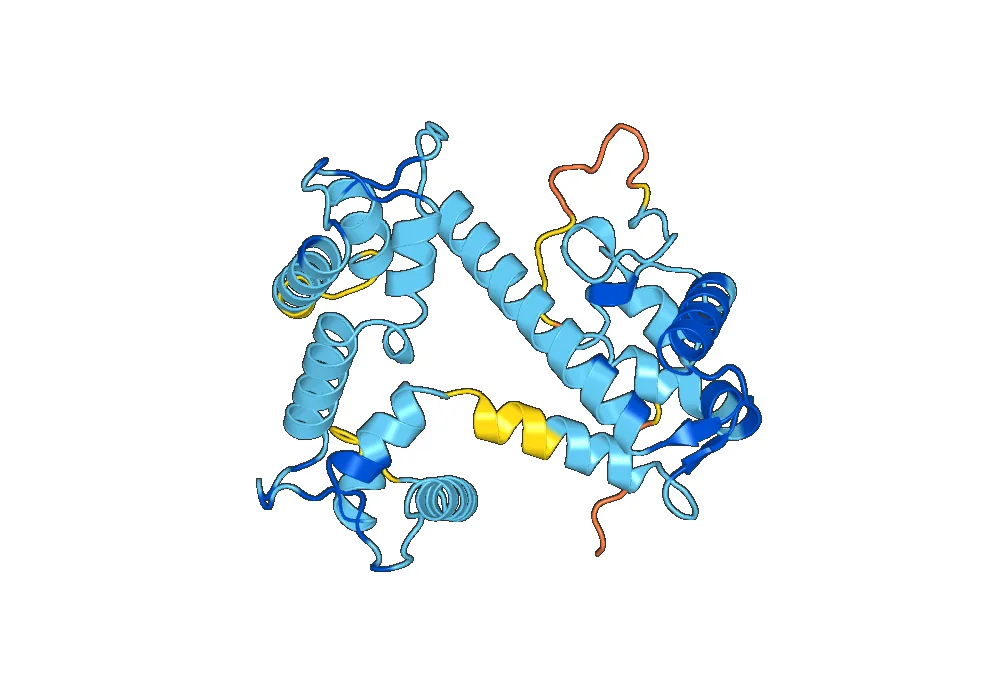
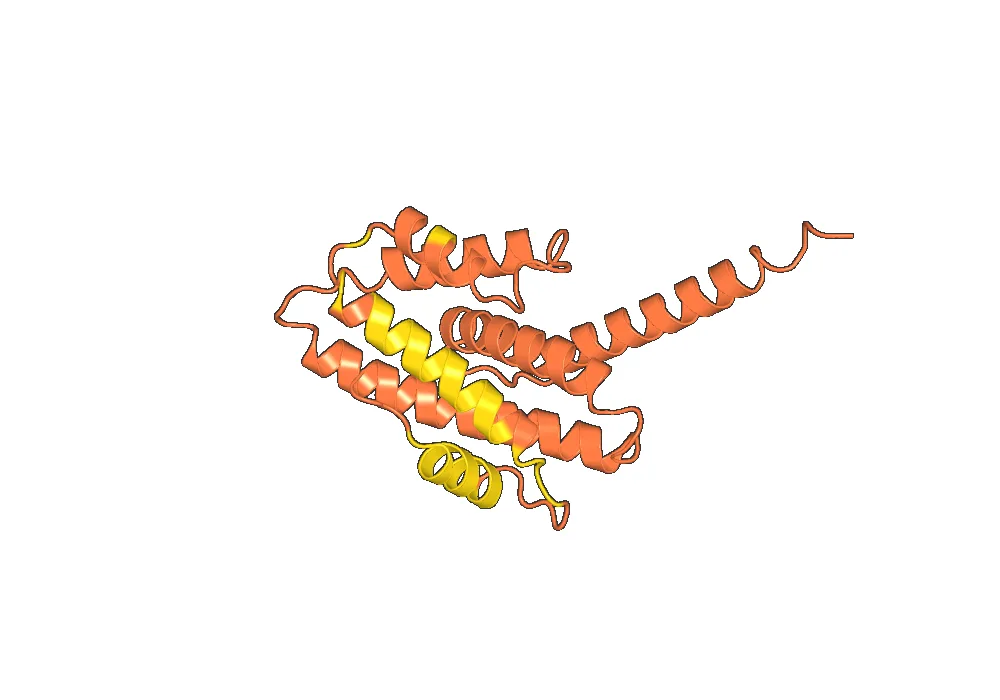
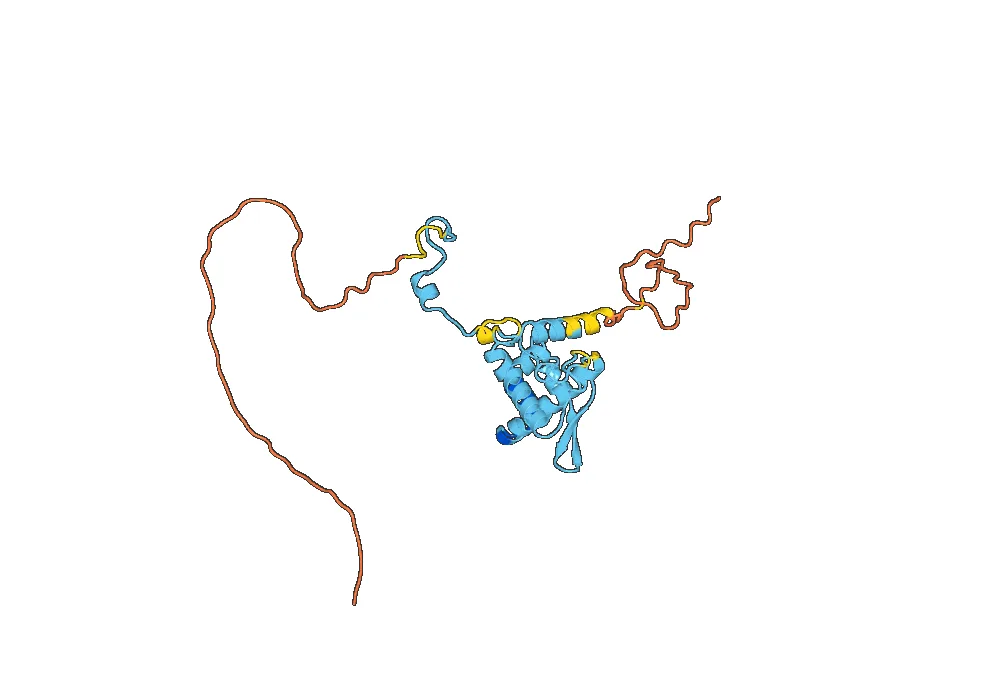
The crystal structure of Et-CaBP has been determined, revealing a compact globular protein with two distinct domains. The N-terminal domain contains the EF-hand motifs, while the C-terminal domain is composed of a series of alpha-helices. This unique structure allows Et-CaBP to interact with calcium ions and other proteins, making it an important component of the parasite’s invasion mechanism.
Activity of Et-CaBP
Et-CaBP plays a crucial role in the invasion of host cells by Eimeria tenella sporozoites. During invasion, the parasite secretes Et-CaBP onto the surface of the host cell, where it binds to calcium ions present in the extracellular environment. This binding triggers a conformational change in the protein, exposing a hydrophobic region that allows it to interact with the host cell membrane. This interaction facilitates the attachment of the sporozoite to the host cell, leading to invasion and subsequent infection.
Additionally, Et-CaBP has been shown to have calcium-dependent protease activity, which is essential for the parasite’s survival and replication within the host cell. This activity is thought to be involved in the breakdown of host cell proteins, providing the parasite with nutrients and aiding in its growth and development.
Application of Et-CaBP as an Antigen
The unique structure and activity of Et-CaBP make it an ideal candidate for use as an antigen in the development of a coccidiosis vaccine. As a surface protein, Et-CaBP is highly accessible to the host’s immune system, making it a prime target for antibody production. Additionally, the protein’s calcium-binding activity and protease activity make it a key player in the parasite’s invasion and survival, making it a potential target for host immune responses.
Several studies have demonstrated the potential of Et-CaBP as a vaccine candidate. One study showed that chickens vaccinated with recombinant Et-CaBP had significantly reduced oocyst shedding and lesion scores compared to non-vaccinated chickens when challenged with Eimeria tenella. Another study found that vaccination with Et-CaBP resulted in a significant increase in antibody production and a decrease in oocyst shedding in challenged birds.
Furthermore, the use of recombinant Et-CaBP as an antigen allows for the production of a more targeted and specific immune response. This is because only the relevant regions of the protein can be included in the vaccine, avoiding any potential cross-reactivity with other proteins.
Conclusion
The Recombinant Eimeria tenella Membrane-associated calcium-binding protein (Et-CaBP) is a promising candidate for the development of a coccidiosis vaccine. Its unique structure, calcium-binding activity, and role in invasion make it an ideal antigen for stimulating a targeted immune response against Eimeria tenella. Further research and development of Et-CaBP as a vaccine candidate could potentially lead to a more effective and specific vaccine against c

There are no reviews yet.