Structure of Recombinant Rice Putative Receptor Protein Kinase
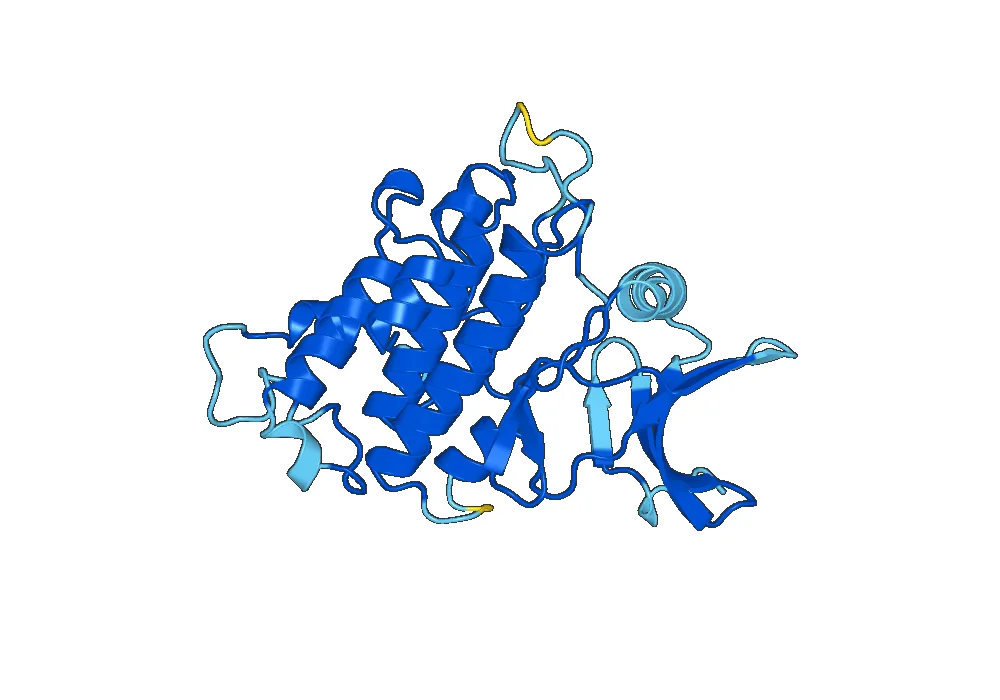
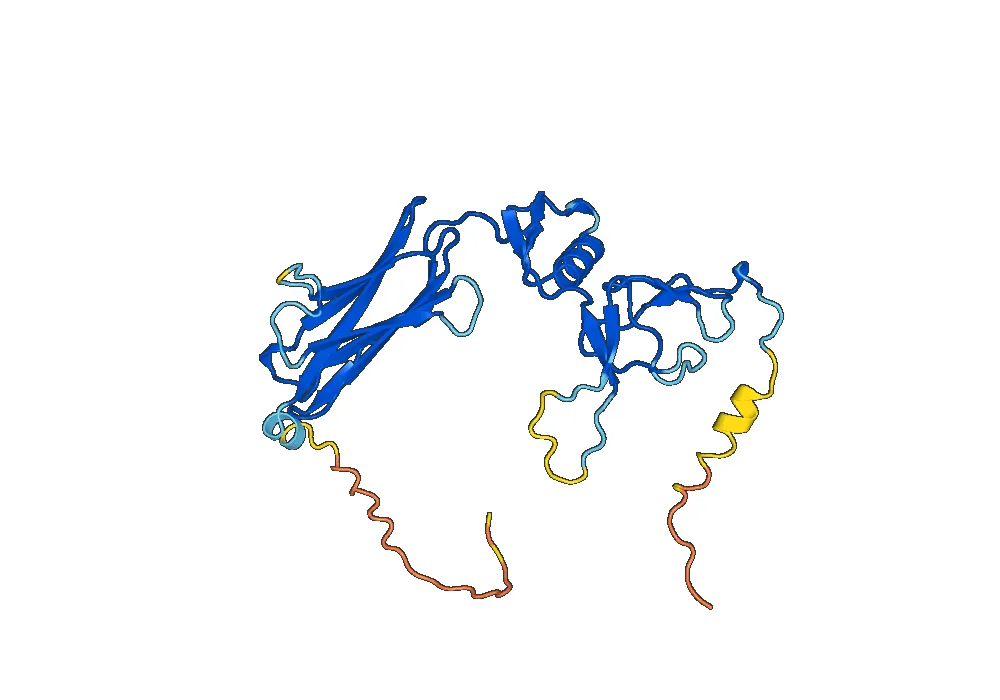
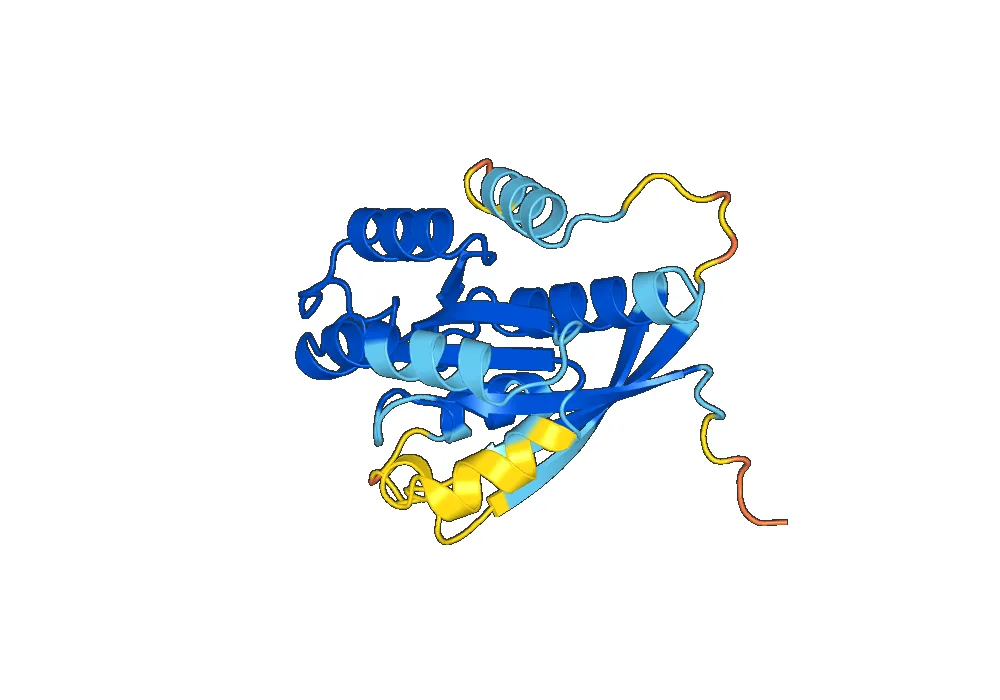
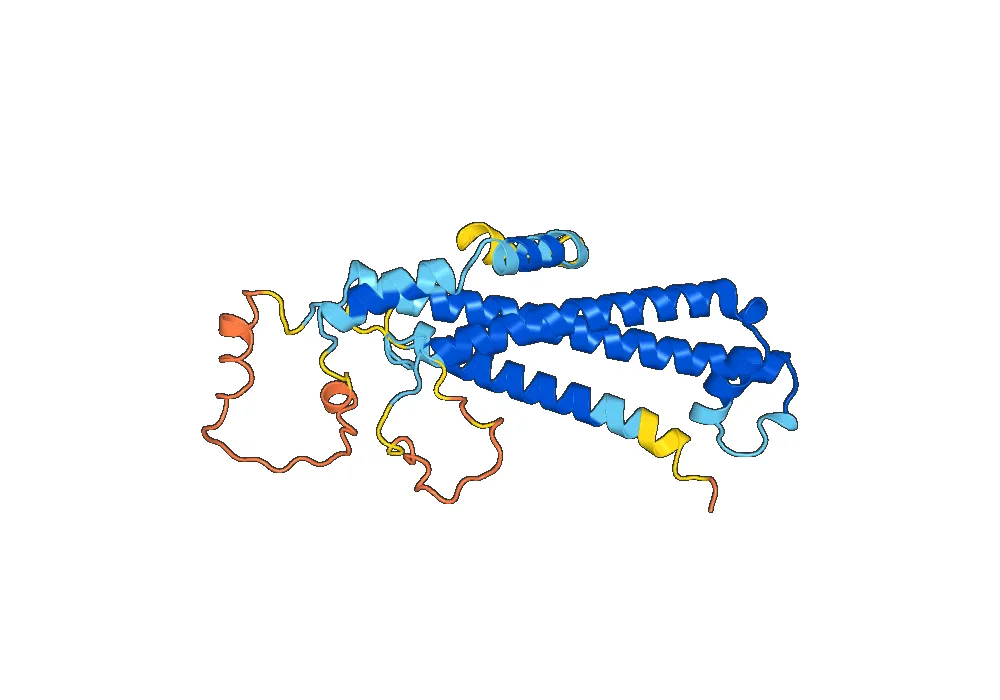
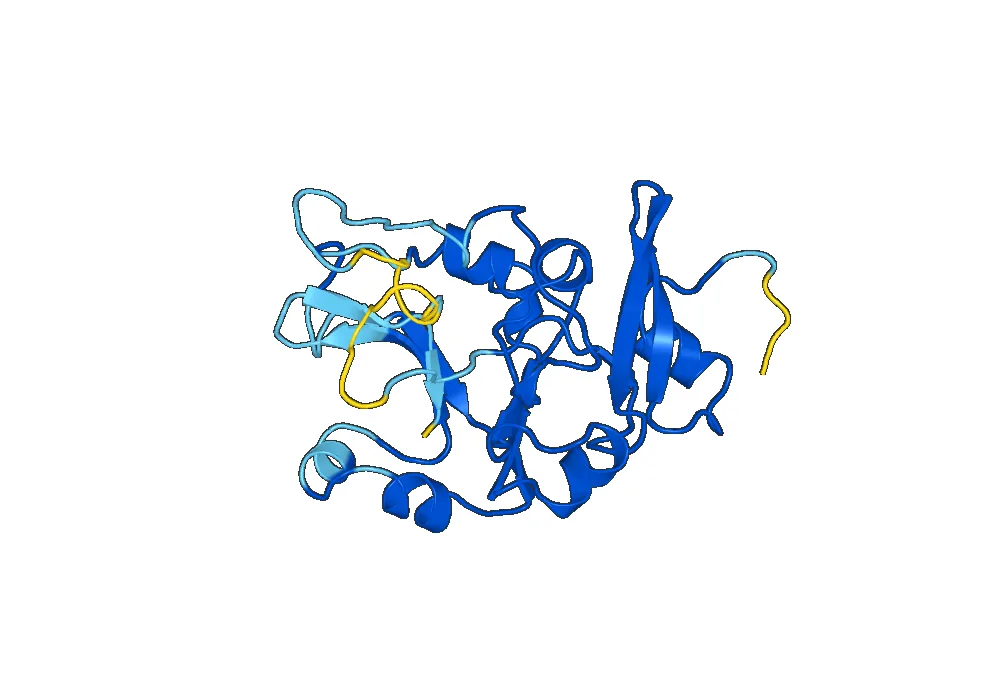
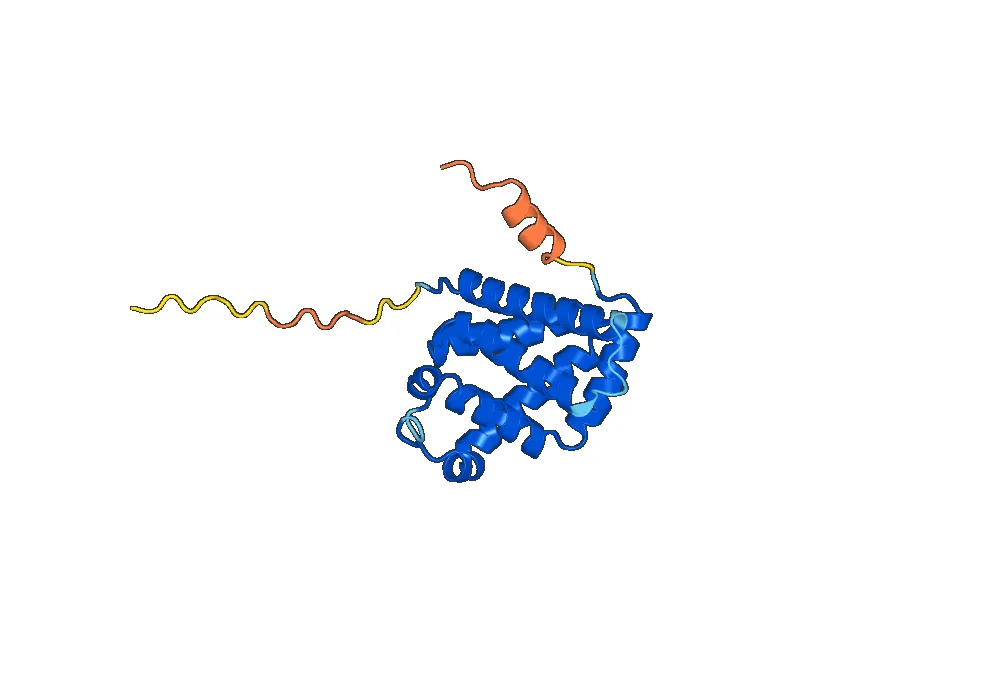
The recombinant rice putative receptor protein kinase is a type of protein that is produced through genetic engineering techniques. It is composed of a sequence of amino acids that are arranged in a specific order to form a three-dimensional structure. This structure is crucial for the protein’s function and activity.
The recombinant protein is typically made up of two main parts: the extracellular domain and the intracellular domain. The extracellular domain is responsible for binding to specific molecules, while the intracellular domain is involved in signaling and cellular responses.
The extracellular domain of the recombinant rice putative receptor protein kinase is made up of several subdomains, including the ligand-binding domain, the transmembrane domain, and the juxtamembrane domain. These subdomains work together to recognize and bind to specific antigens, which triggers a signaling cascade within the cell.
The intracellular domain, on the other hand, contains the catalytic domain, which is responsible for the protein’s enzymatic activity. This domain is crucial for the protein’s role in cellular signaling and regulation.
Activity of Recombinant Rice Putative Receptor Protein Kinase
The main activity of the recombinant rice putative receptor protein kinase is to act as a receptor for specific antigens. When an antigen binds to the extracellular domain of the protein, it triggers a series of events that lead to the activation of the intracellular domain.
The activated intracellular domain then initiates a signaling cascade, which involves the recruitment and activation of other proteins. This signaling cascade ultimately leads to a cellular response, such as gene expression or changes in cell behavior.
The exact activity of the recombinant rice putative receptor protein kinase can vary depending on the specific antigen it binds to and the cellular context. However, its main role is to regulate cellular responses and maintain homeostasis in the organism.
Application of Recombinant Rice Putative Receptor Protein Kinase
The recombinant rice putative receptor protein kinase has various applications in the field of biotechnology and agriculture. One of its main uses is in the development of genetically modified crops.
By introducing the gene for the recombinant protein into plants, scientists can create crops that are more resistant to certain diseases or environmental stresses. This is because the protein can recognize and respond to specific antigens, triggering a defense mechanism in the plant.
Additionally, the recombinant rice putative receptor protein kinase has potential applications in the development of new drugs and therapies. Its ability to bind to specific antigens and initiate signaling cascades makes it a promising target for treating various diseases and disorders.
Moreover, the recombinant protein can also be used in research studies to better understand cellular signaling and regulation. By studying its activity and interactions with other proteins, scientists can gain insights into the complex mechanisms of cellular communication.
Conclusion
The recombinant rice putative receptor protein kinase is a crucial protein in biotechnology and agriculture. Its unique structure and activity make it a valuable tool for developing genetically modified crops and potential therapies for diseases. As research on this protein continues, its applications and potential uses are expected to expand, further advancing the fields of biotechnology and medicine.

There are no reviews yet.