Structure of Recombinant Human ITLN1/Omentin
Recombinant Human ITLN1, also known as Omentin, is a protein that is produced through genetic engineering techniques. It is a member of the interleukin-like (ITLN) family, which is a group of proteins that are structurally similar to interleukins, but have different functions. The gene that codes for ITLN1 is located on chromosome 1 in humans and is expressed in various tissues, including adipose tissue, liver, and intestine.
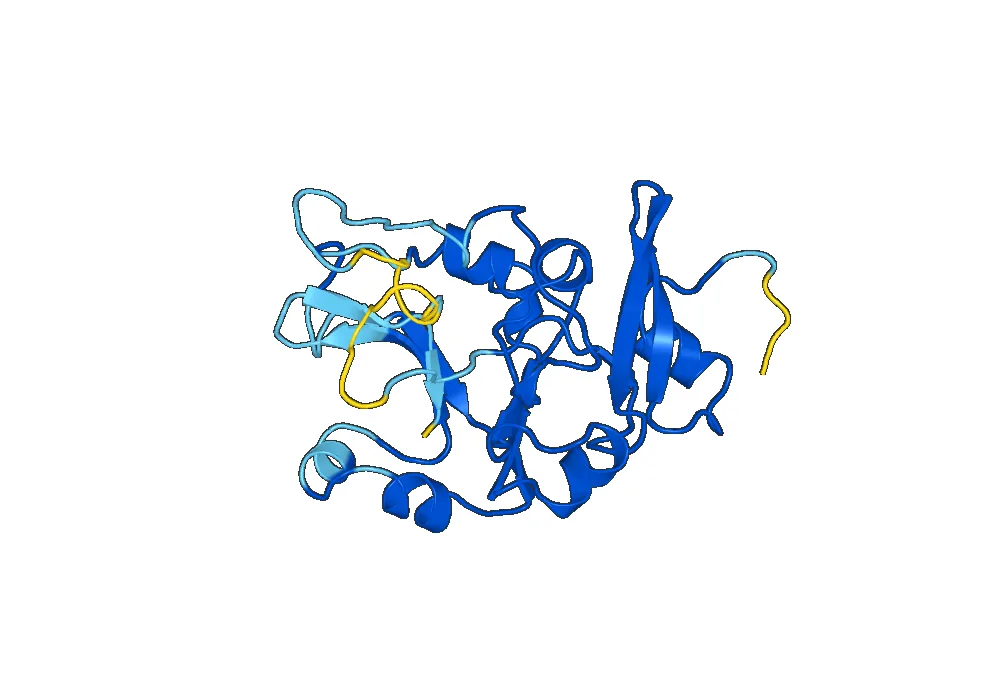
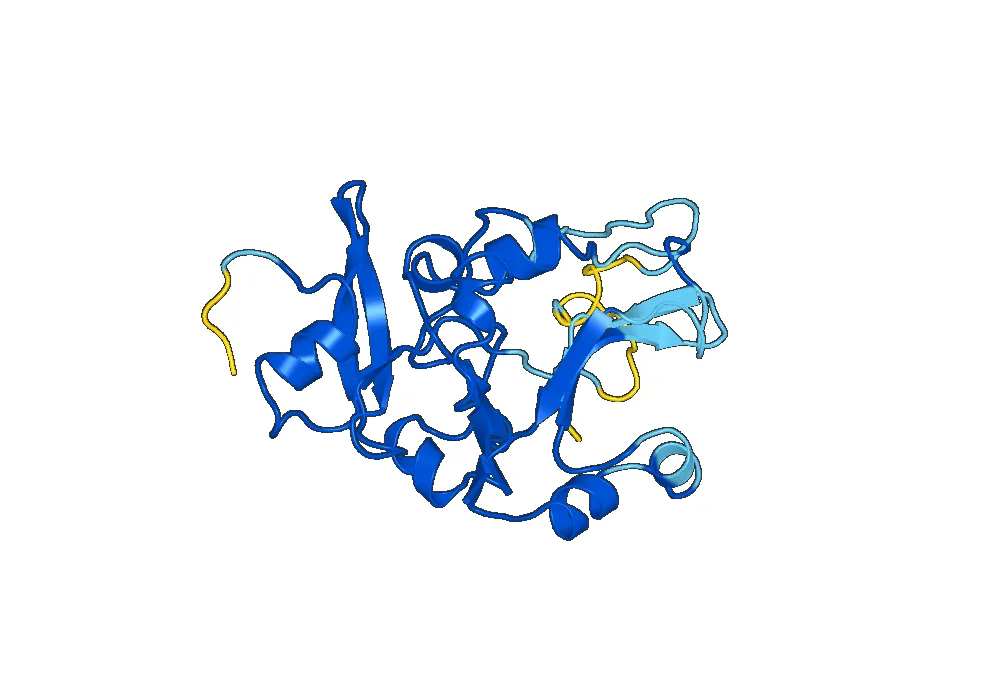
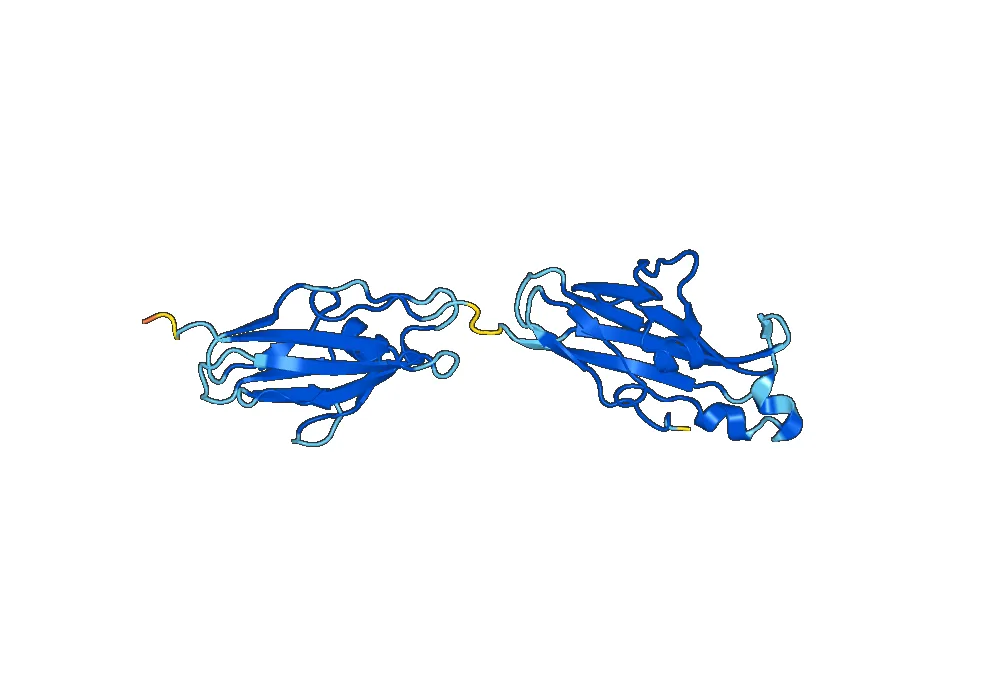
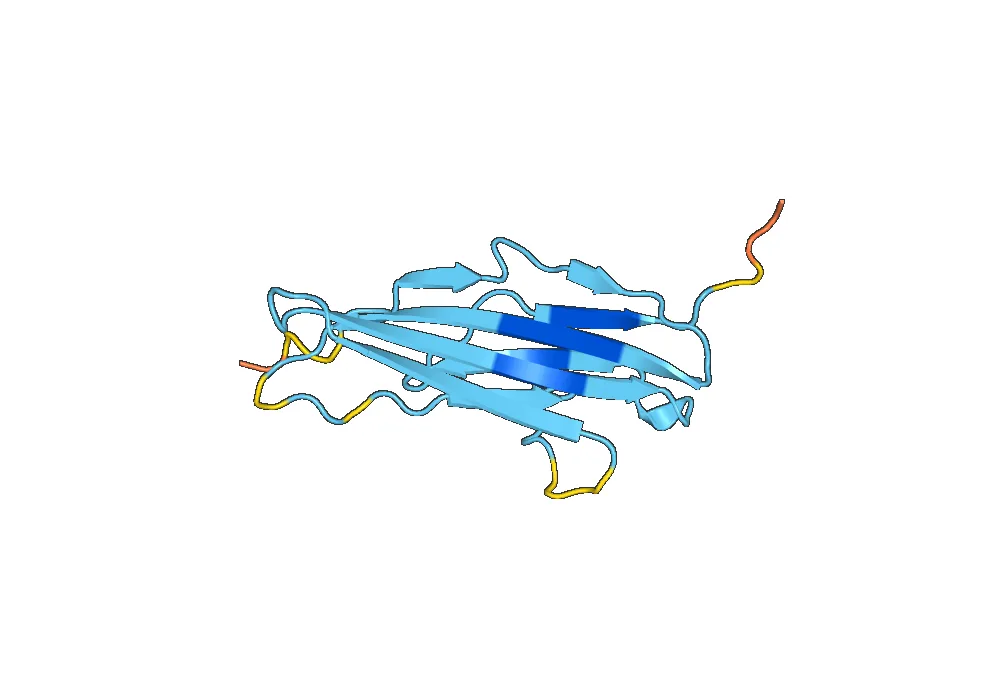
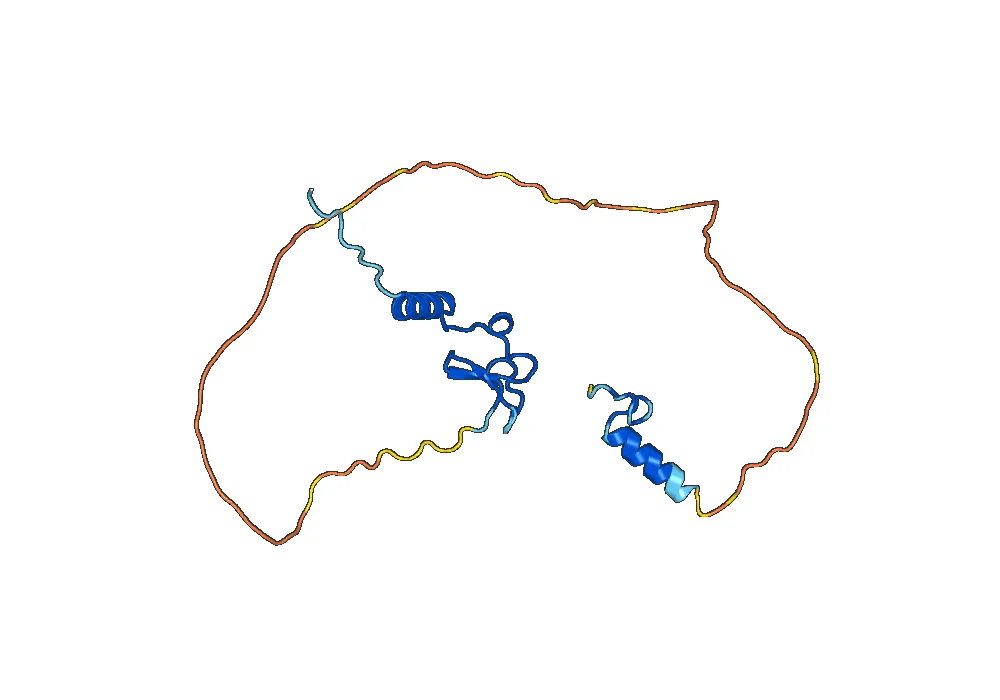
The mature form of Recombinant Human ITLN1 is a 313 amino acid protein with a molecular weight of approximately 34 kDa. It has a unique structure consisting of a signal peptide, an N-terminal domain, a C-terminal domain, and a central domain. The N-terminal domain contains a carbohydrate recognition domain (CRD), which is responsible for binding to carbohydrates on the surface of cells. The central domain is rich in cysteine residues, which form disulfide bonds that contribute to the stability of the protein. The C-terminal domain is highly variable among different species and is thought to be involved in protein-protein interactions.
Activity of Recombinant Human ITLN1/Omentin
Recombinant Human ITLN1 has been shown to have multiple activities in the body. It is primarily known for its role in regulating glucose and lipid metabolism, as well as its anti-inflammatory effects. Studies have shown that ITLN1 can improve insulin sensitivity and glucose uptake in adipose tissue and skeletal muscle. It also has the ability to decrease the production of pro-inflammatory cytokines, such as TNF-α and IL-6, and increase the production of anti-inflammatory cytokines, such as IL-10.
In addition to its metabolic and anti-inflammatory effects, Recombinant Human ITLN1 has also been shown to have a role in cardiovascular health. It can regulate blood pressure by promoting vasodilation and inhibiting the proliferation of smooth muscle cells in blood vessels. It also has anti-atherosclerotic properties, as it can decrease the accumulation of lipids in arterial walls.
Application of Recombinant Human ITLN1/Omentin
Recombinant Human ITLN1 has potential therapeutic applications in various diseases. Its role in regulating glucose and lipid metabolism makes it a promising candidate for the treatment of type 2 diabetes and obesity. Studies have shown that ITLN1 levels are decreased in individuals with these conditions, and supplementation with Recombinant Human ITLN1 has been shown to improve glucose tolerance and decrease body weight in animal models.
The anti-inflammatory effects of ITLN1 also make it a potential therapeutic target for inflammatory diseases, such as rheumatoid arthritis and inflammatory bowel disease. It has been shown to decrease inflammation in these conditions and may have a role in reducing disease severity.
Furthermore, Recombinant Human ITLN1 has potential applications in cardiovascular diseases. Its ability to regulate blood pressure and inhibit atherosclerosis makes it a potential treatment for hypertension and atherosclerosis.
In conclusion, Recombinant Human ITLN1, also known as Omentin, is a structurally unique protein with multiple activities in the body. Its role in regulating glucose and lipid metabolism, as well as its anti-inflammatory and cardiovascular effects, make it a promising candidate for the treatment of various diseases. Further research and clinical trials are needed to fully understand the potential of Recombinant Human ITLN1 in therapeutic applications.

There are no reviews yet.