Title: Introduction to Recombinant Human PIK3AP1
Recombinant human PIK3AP1, also known as phosphoinositide-3-kinase adapter protein 1, is a protein that plays a crucial role in the regulation of various cellular processes. It is a member of the PI3K family of proteins and is involved in the PI3K/Akt signaling pathway, which is essential for cell growth, survival, and metabolism. In this article, we will provide a scientific description of the structure, activity, and application of recombinant human PIK3AP1.
Title: Structure of Recombinant Human PIK3AP1
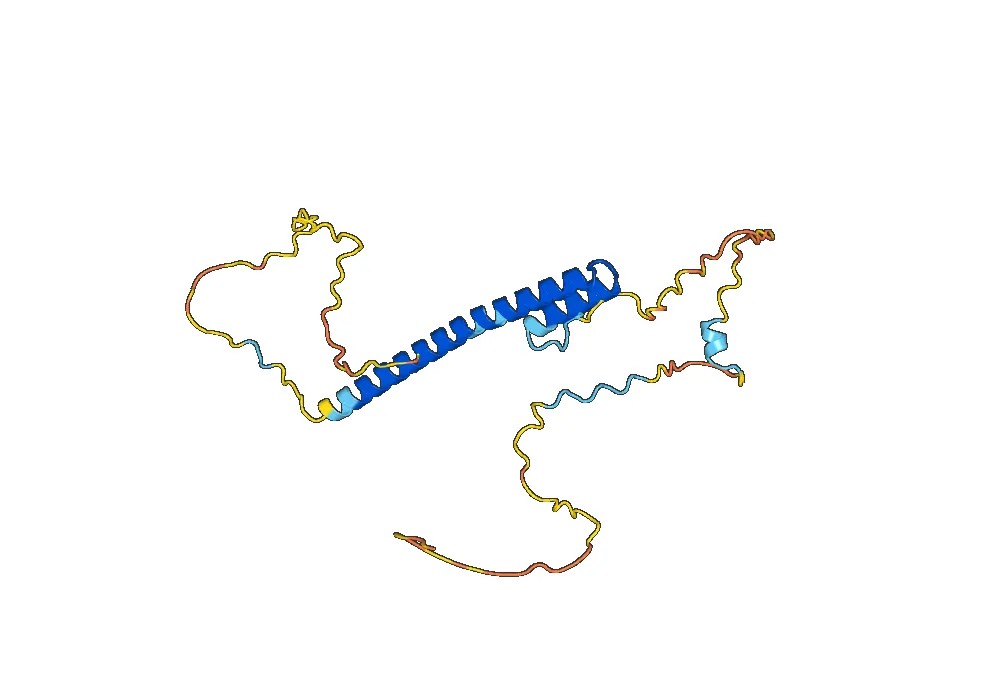
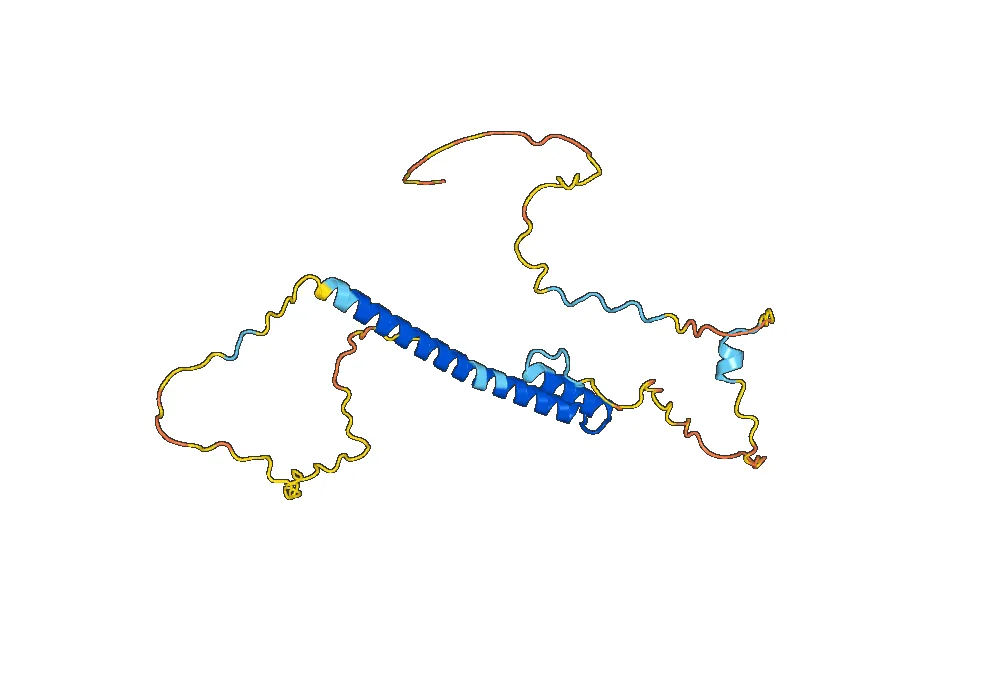
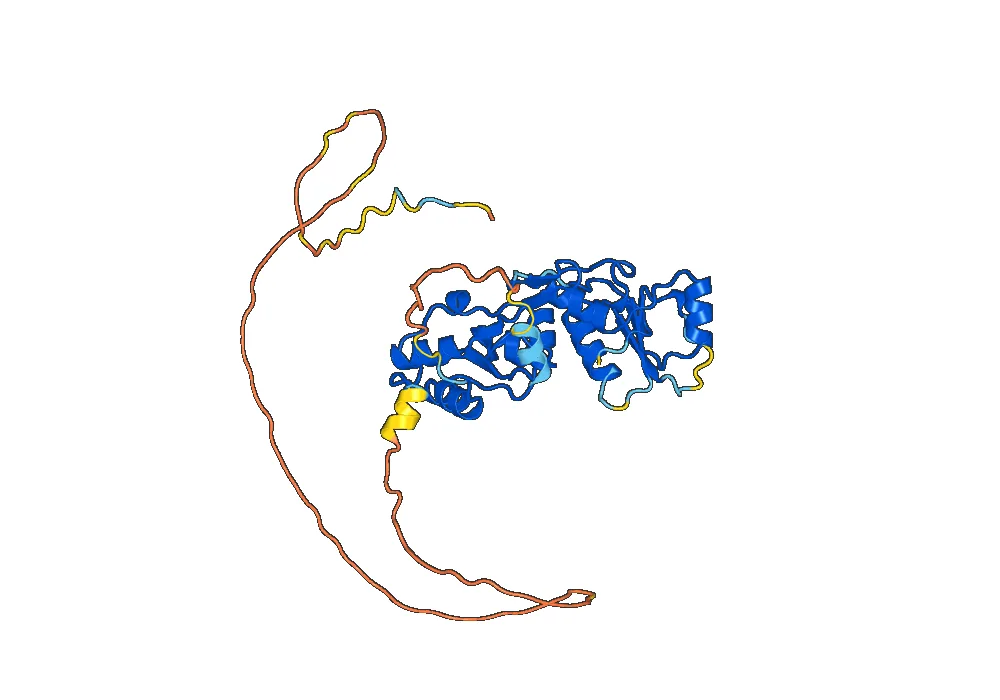
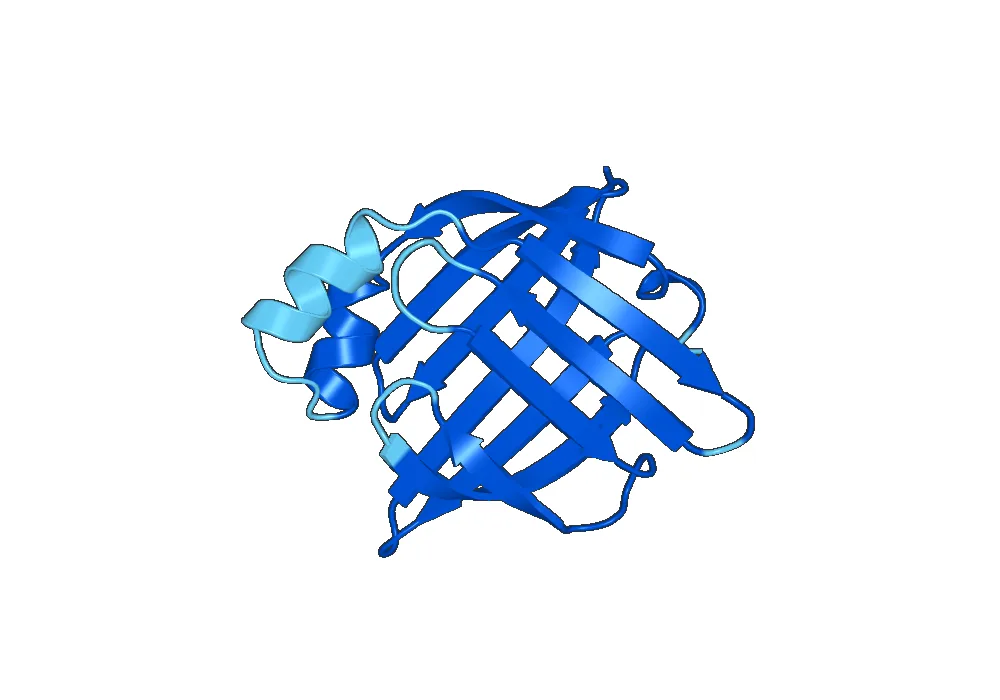
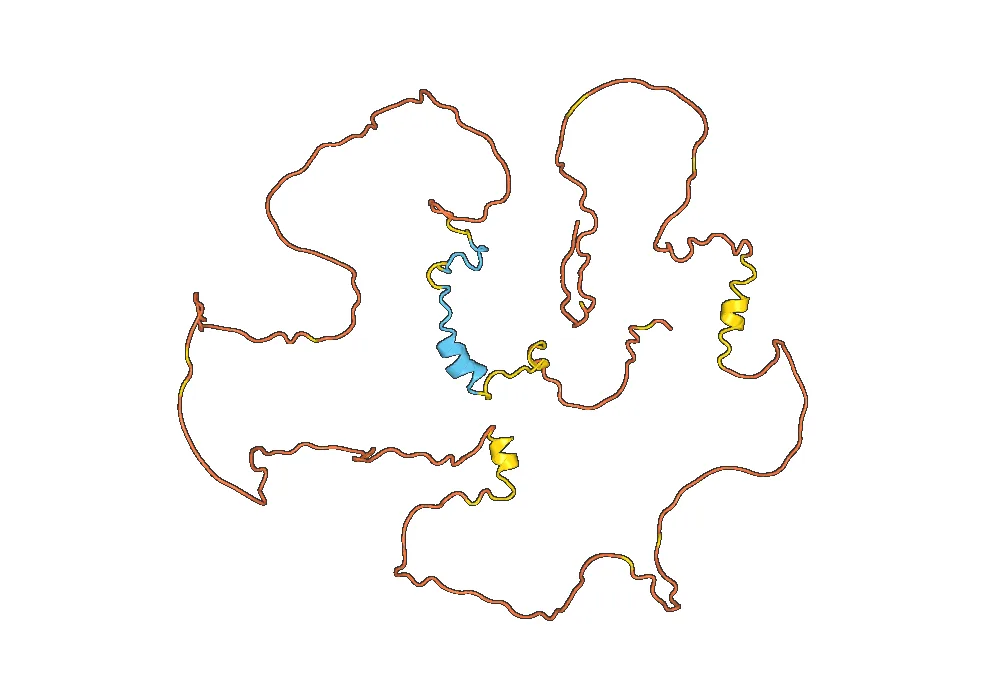
Recombinant human PIK3AP1 is a 72 kDa protein composed of 626 amino acids. It contains an N-terminal SH3 domain, a proline-rich region, and a C-terminal domain. The SH3 domain is responsible for binding to other proteins, while the proline-rich region plays a role in protein-protein interactions. The C-terminal domain is responsible for binding to phosphoinositides, which are important regulators of cell signaling.
Title: Activity of Recombinant Human PIK3AP1
Recombinant human PIK3AP1 is a key regulator of the PI3K/Akt signaling pathway. It functions as an adaptor protein, linking activated receptors to downstream signaling molecules. Upon activation of cell surface receptors, PIK3AP1 is recruited to the cell membrane, where it binds to phosphoinositides and activates PI3K. This leads to the production of phosphatidylinositol-3,4,5-trisphosphate (PIP3), which in turn activates Akt. Activated Akt then regulates various downstream targets, ultimately promoting cell growth, survival, and metabolism.
Title: Applications of Recombinant Human PIK3AP1
Recombinant human PIK3AP1 has a wide range of applications in both basic research and clinical settings. Its role in the PI3K/Akt signaling pathway makes it a crucial protein in the study of cell signaling and its dysregulation in diseases such as cancer. Recombinant PIK3AP1 can be used to study the effects of mutations or different isoforms of the protein on its activity and downstream signaling.
Furthermore, recombinant PIK3AP1 has potential therapeutic applications. As PIK3AP1 is involved in the regulation of cell growth and survival, targeting this protein could be a potential strategy for cancer treatment. In fact, studies have shown that inhibiting PIK3AP1 can lead to the suppression of tumor growth and metastasis. Recombinant PIK3AP1 can also be used in drug discovery and development, as a target for screening and identifying potential inhibitors.
In addition, recombinant human PIK3AP1 has diagnostic applications. As an adaptor protein in the PI3K/Akt pathway, it is known to be overexpressed in certain types of cancer, making it a potential biomarker for cancer diagnosis. Recombinant PIK3AP1 can also be used in diagnostic assays to detect the activity of the PI3K/Akt pathway in patient samples.
Title: Conclusion
In conclusion, recombinant human PIK3AP1 is a crucial protein involved in the regulation of the PI3K/Akt signaling pathway. Its structure, activity, and role in cell signaling make it a valuable tool for studying various cellular processes and its dysregulation in diseases such as cancer. Furthermore, its potential therapeutic and diagnostic applications make it a promising target for future research and development.

There are no reviews yet.