Introduction
Recombinant Human AP1M1 is a type of recombinant protein that plays an important role in intracellular trafficking and vesicle formation. It is a subunit of the AP1M1 protein complex, which is involved in the sorting and transport of proteins within the cell. In this article, we will discuss the structure, activity, and applications of Recombinant Human AP1M1.
Structure of Recombinant Human AP1M1
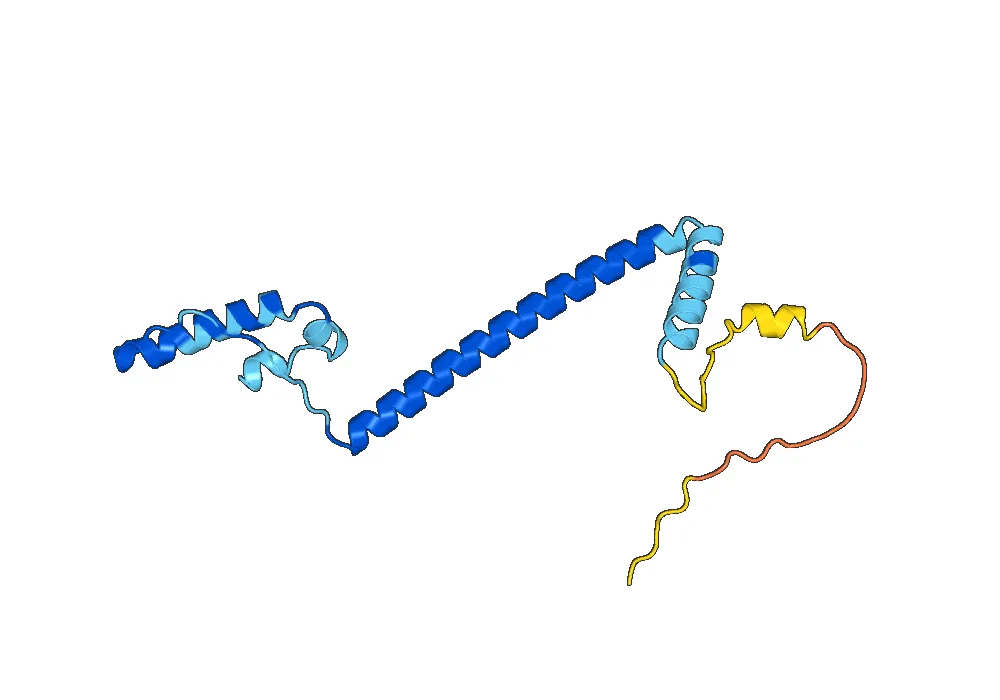
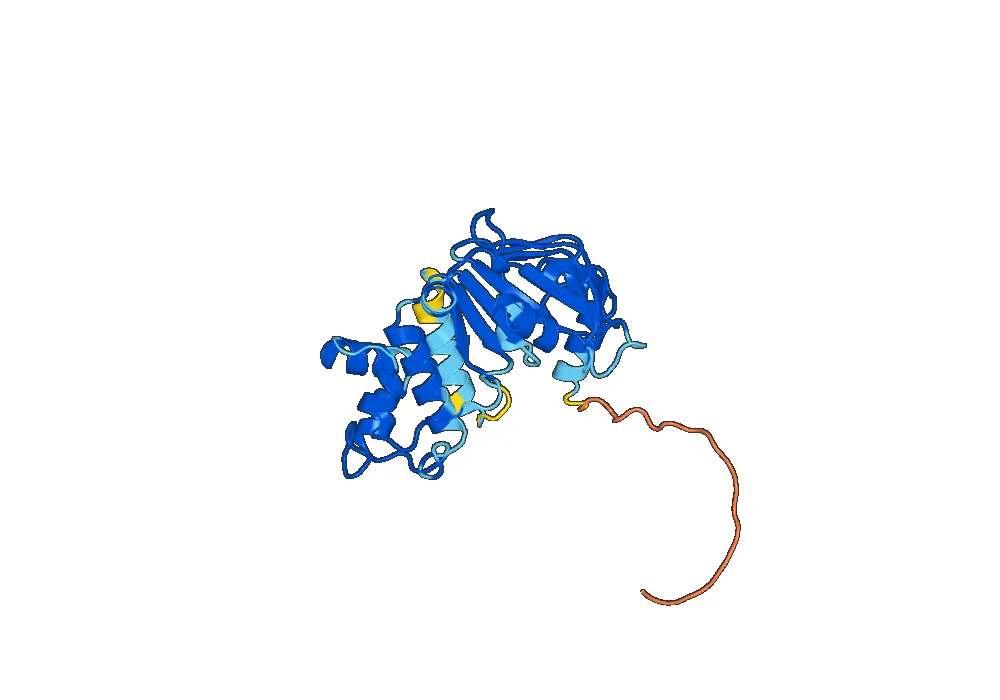
Recombinant Human AP1M1 is a protein that is composed of 357 amino acids with a molecular weight of approximately 40 kDa. It is encoded by the AP1M1 gene located on chromosome 19 in humans. The protein is made up of four domains: the N-terminal domain, the hinge region, the core domain, and the C-terminal domain.
The N-terminal domain of Recombinant Human AP1M1 is responsible for binding to the other subunits of the AP1M1 protein complex. The hinge region connects the N-terminal domain to the core domain, which is the largest domain of the protein. The core domain contains a beta-sandwich fold and is involved in protein-protein interactions. The C-terminal domain is responsible for binding to cargo molecules and is essential for the sorting and transport of proteins within the cell.
Activity of Recombinant Human AP1M1
Recombinant Human AP1M1 plays a crucial role in intracellular trafficking and vesicle formation. It is a subunit of the AP1M1 protein complex, which is involved in the formation of clathrin-coated vesicles. These vesicles are responsible for the transport of proteins from the trans-Golgi network to endosomes and lysosomes, as well as from the plasma membrane to endosomes.
The activity of Recombinant Human AP1M1 is regulated by its interaction with other subunits of the AP1M1 protein complex and cargo molecules. The N-terminal domain of the protein binds to the other subunits, while the C-terminal domain binds to cargo molecules. This interaction is critical for the proper sorting and transport of proteins within the cell.
Applications of Recombinant Human AP1M1
Recombinant Human AP1M1 has various applications in both research and medical fields. Due to its role in intracellular trafficking, it is commonly used as a marker for the identification and study of clathrin-coated vesicles. It is also used in studies related to protein sorting and transport in cells.
In the medical field, Recombinant Human AP1M1 has been studied for its potential role in various diseases. Mutations in the AP1M1 gene have been linked to a rare genetic disorder called Hermansky-Pudlak syndrome, which affects the pigmentation of the skin, hair, and eyes, as well as the function of various organs. Recombinant Human AP1M1 has also been studied for its potential role in cancer, as abnormal intracellular trafficking has been observed in cancer cells.
Furthermore, Recombinant Human AP1M1 has potential therapeutic applications. It has been studied for its ability to inhibit the growth of cancer cells by disrupting their intracellular trafficking pathways. It has also been investigated for its potential role in the treatment of lysosomal storage disorders, as it is involved in the transport of lysosomal enzymes.
Conclusion
In conclusion, Recombinant Human AP1M1 is a crucial protein involved in intracellular trafficking and vesicle formation. Its structure, activity, and applications have been extensively studied, and it has been found to play a vital role in various cellular processes. Further research on this protein may lead to a better understanding of its functions and potential therapeutic applications in the future.



There are no reviews yet.