Introduction
Recombinant Human ARHGAP5 Protein, also known as Rho GTPase-activating protein 5, is a type of recombinant protein that has been extensively studied for its structure, activity, and potential applications. This protein plays a crucial role in regulating the activity of Rho GTPases, which are key signaling molecules involved in various cellular processes such as cell migration, proliferation, and adhesion. In this article, we will delve into the details of Recombinant Human ARHGAP5 Protein, including its structure, activity, and potential applications.
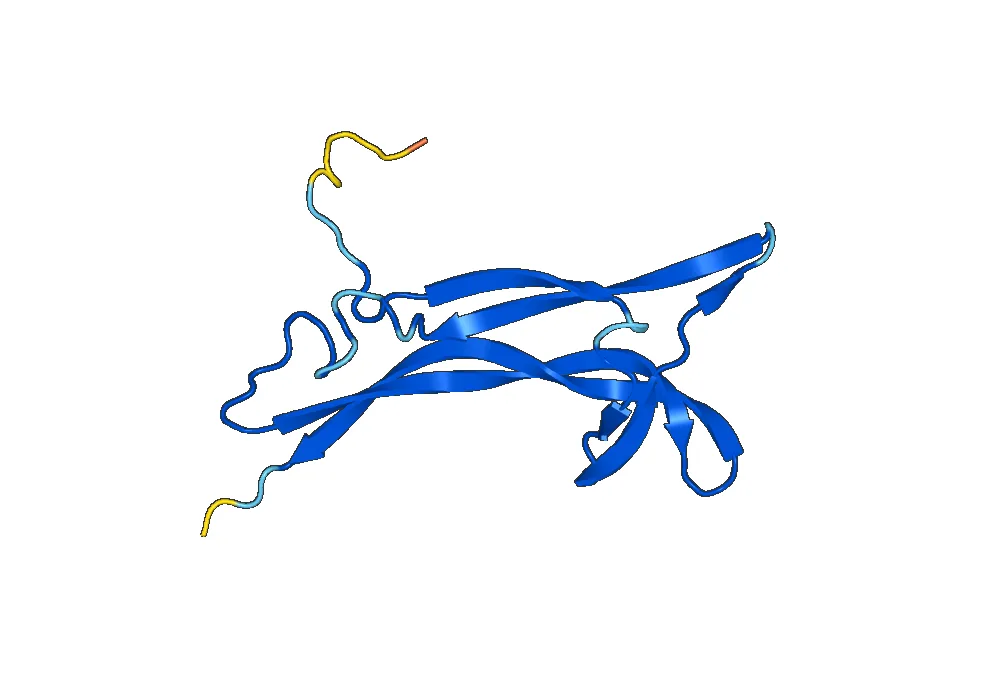
Structure of Recombinant Human ARHGAP5 Protein
Recombinant Human ARHGAP5 Protein is a 120 kDa protein that is encoded by the ARHGAP5 gene. This protein consists of 1076 amino acids and is composed of several functional domains, including a Rho GTPase-activating domain (RhoGAP), a proline-rich region, and a pleckstrin homology (PH) domain. The RhoGAP domain is responsible for the protein’s main activity, which is the stimulation of GTP hydrolysis by Rho GTPases. The proline-rich region and PH domain are involved in protein-protein interactions and membrane binding, respectively.
Activity of Recombinant Human ARHGAP5 Protein
The main activity of Recombinant Human ARHGAP5 Protein is the regulation of Rho GTPases. These small GTPases play a crucial role in various cellular processes by cycling between an active GTP-bound state and an inactive GDP-bound state. The RhoGAP domain of ARHGAP5 protein binds to the active form of Rho GTPases and stimulates their GTPase activity, leading to their inactivation. This, in turn, regulates downstream signaling pathways and affects cellular processes such as cell migration, proliferation, and adhesion.
Moreover, Recombinant Human ARHGAP5 Protein has been shown to interact with other proteins involved in cell signaling, such as focal adhesion kinase (FAK) and paxillin. These interactions further contribute to the protein’s activity and its role in regulating cell adhesion and migration.
Applications of Recombinant Human ARHGAP5 Protein
The unique structure and activity of Recombinant Human ARHGAP5 Protein make it a promising candidate for various applications in the field of cell biology and medicine. Here are some potential applications of this protein:
1. Study of Rho GTPase signaling
As mentioned earlier, Recombinant Human ARHGAP5 Protein plays a crucial role in regulating Rho GTPase activity. Therefore, it can be used as a tool in studying the signaling pathways involving these important molecules. By manipulating the expression or activity of ARHGAP5 protein, researchers can gain a better understanding of the role of Rho GTPases in various cellular processes.
2. Drug development
Dysregulation of Rho GTPase signaling has been linked to various diseases, including cancer and neurological disorders. As such, Recombinant Human ARHGAP5 Protein can be a potential target for drug development. By modulating the activity of this protein, it may be possible to regulate Rho GTPase signaling and potentially treat diseases associated with its dysfunction.
3. Biomarker for cancer
Recent studies have shown that ARHGAP5 protein is overexpressed in certain types of cancer, such as breast cancer and colorectal cancer. This makes it a potential biomarker for these diseases. By detecting the levels of ARHGAP5 protein in patient samples, it may be possible to diagnose and monitor the progression of cancer.
4. Therapeutic target for autoimmune diseases
Autoimmune diseases, such as rheumatoid arthritis and multiple sclerosis,




There are no reviews yet.