Recombinant Human ARID3A Protein: Structure, Activity, and Application
Introduction
Recombinant proteins are proteins that are produced through the use of genetic engineering techniques, allowing for the production of large quantities of specific proteins. One such protein is the Recombinant Human ARID3A Protein, also known as AT-rich interactive domain-containing protein 3A.
Structure of Recombinant Human ARID3A Protein
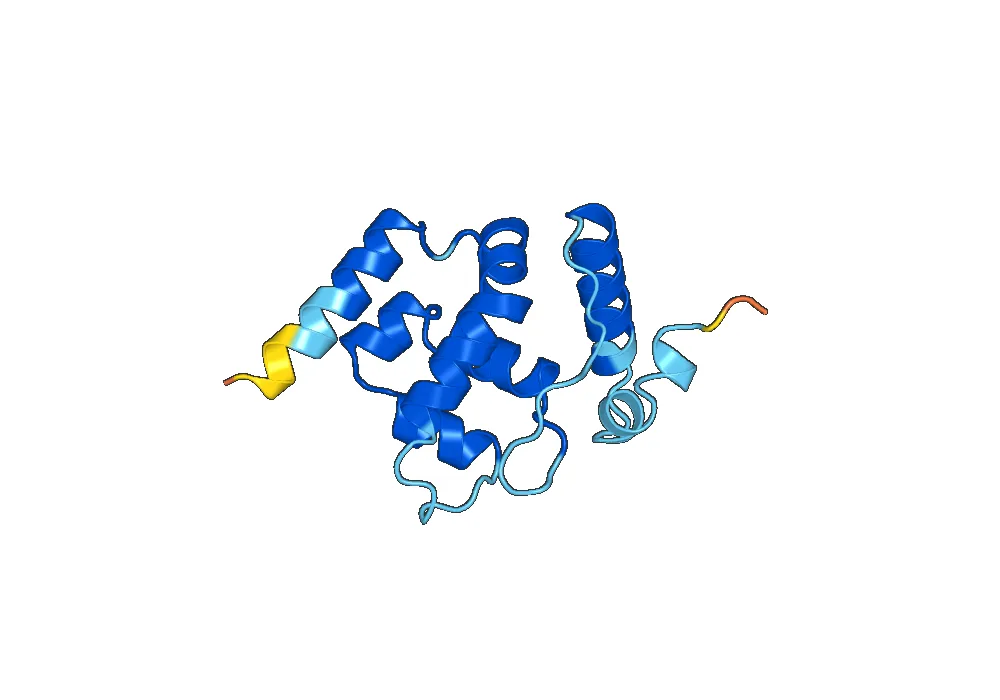
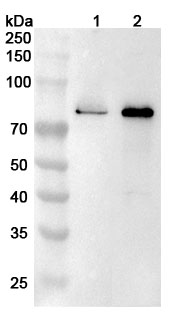
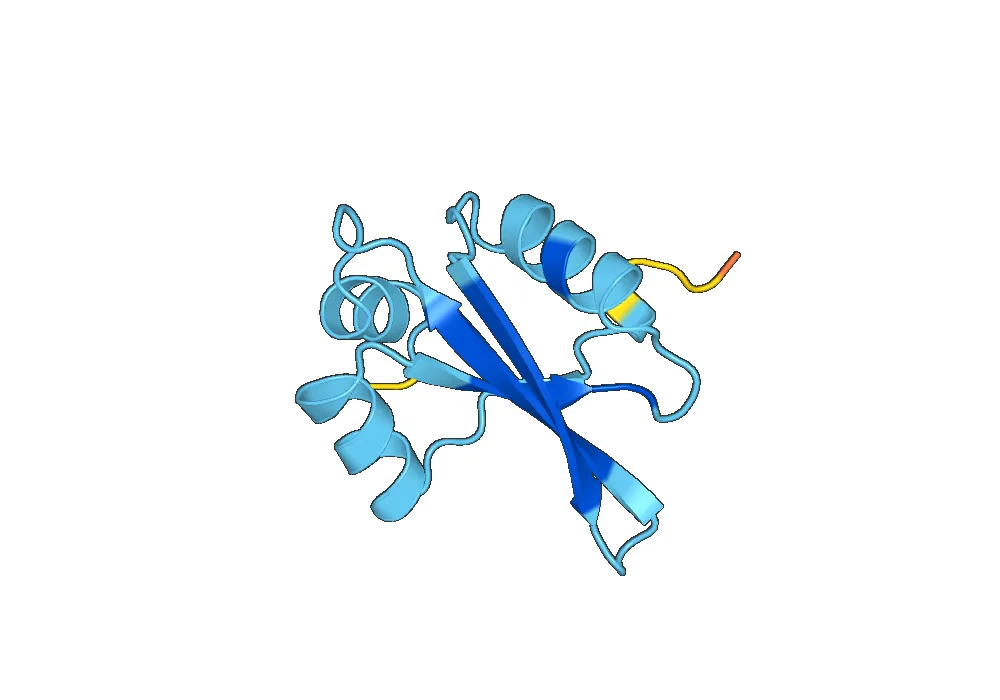
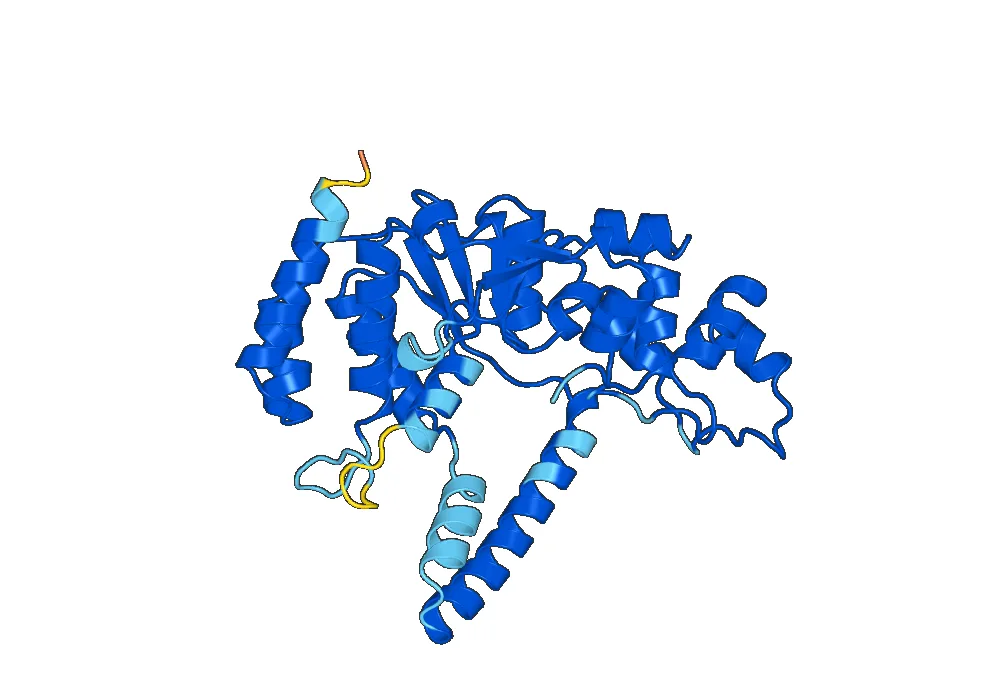
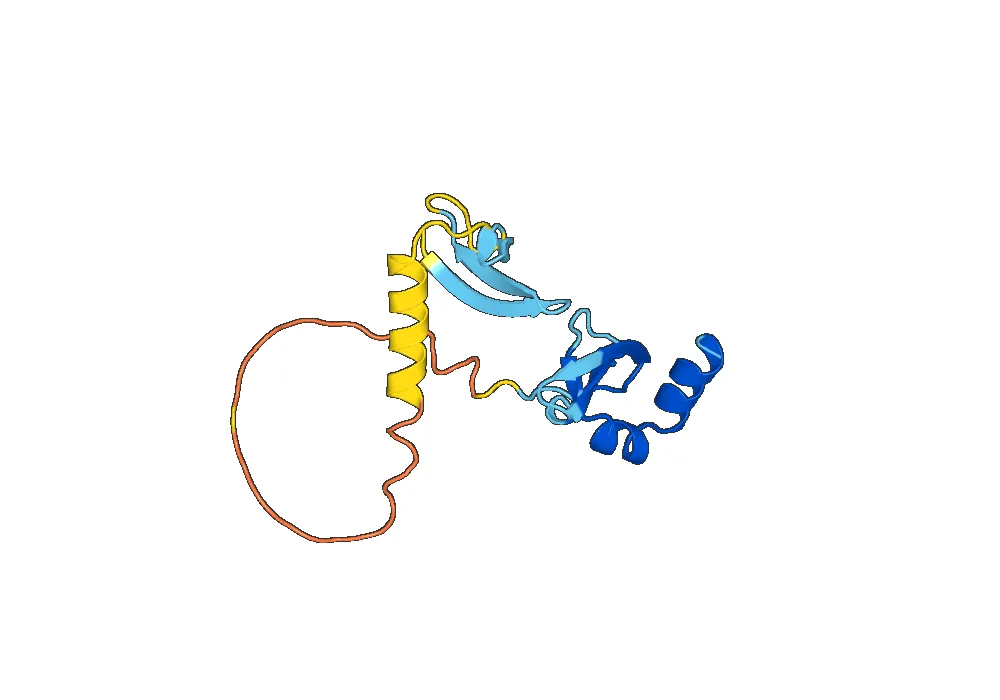
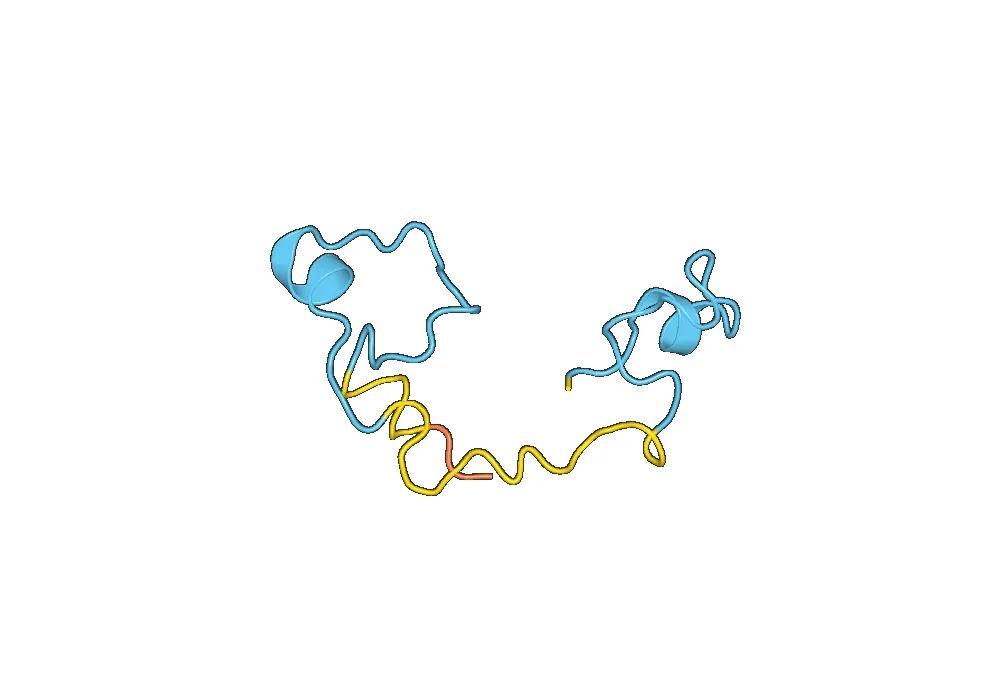
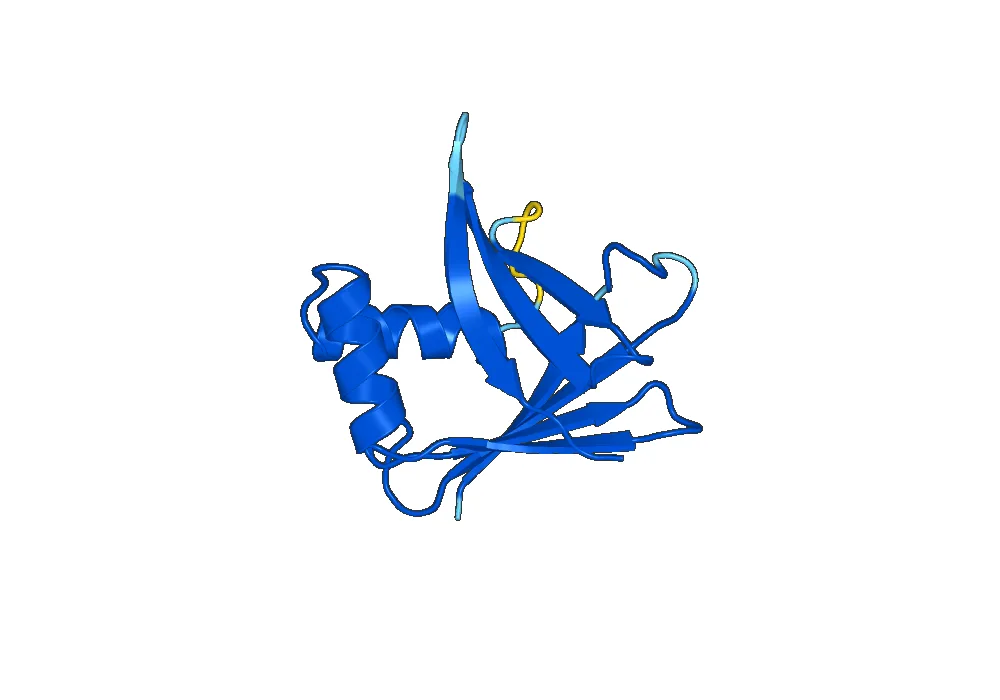
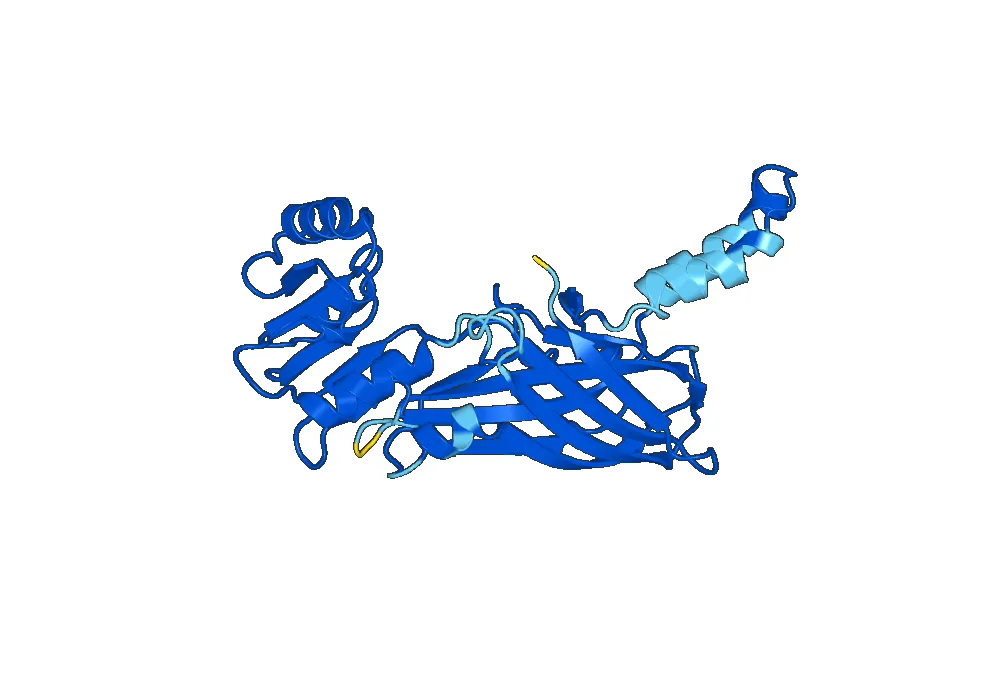
The Recombinant Human ARID3A Protein is a transcription factor that belongs to the ARID (AT-rich interactive domain) family of proteins. It is composed of 513 amino acids and has a molecular weight of approximately 58 kDa. The protein contains two functional domains: the ARID domain and the DNA-binding domain. The ARID domain is responsible for DNA binding, while the DNA-binding domain is responsible for the transcriptional activation of target genes.
Activity of Recombinant Human ARID3A Protein
The main activity of Recombinant Human ARID3A Protein is its role as a transcription factor. It binds to specific DNA sequences, known as ARID-binding sites, and regulates the expression of target genes. The protein has been shown to play a critical role in the development and differentiation of various cell types, including B cells, T cells, and neural cells. It is also involved in the regulation of cell cycle progression and apoptosis.
Application of Recombinant Human ARID3A Protein
The unique structure and activity of Recombinant Human ARID3A Protein make it a valuable tool in various scientific applications. Some of its potential applications include:
1. Production of Antibodies
Recombinant Human ARID3A Protein can be used as an antigen to produce specific antibodies. These antibodies can then be used in research and diagnostic applications to detect the presence of ARID3A in various tissues and cell types.
2. Gene Regulation Studies
As a transcription factor, Recombinant Human ARID3A Protein can be used to study the regulation of gene expression. By manipulating the levels of ARID3A in cells, researchers can gain insights into the role of this protein in various cellular processes.
3. Drug Discovery
Aberrant expression of ARID3A has been linked to various diseases, including cancer. Therefore, Recombinant Human ARID3A Protein can be used in drug discovery efforts to identify compounds that can modulate its activity. This can lead to the development of new treatments for diseases associated with ARID3A dysregulation.
4. Cell Differentiation Studies
Recombinant Human ARID3A Protein is known to play a crucial role in cell differentiation. Therefore, it can be used in studies to understand the mechanisms involved in the differentiation of various cell types. This can provide valuable insights into the development and function of different tissues and organs.
5. Stem Cell Research
Stem cells have the ability to differentiate into various cell types, and Recombinant Human ARID3A Protein has been shown to play a crucial role in this process. Therefore, it can be used in stem cell research to understand the mechanisms involved in cell differentiation and potentially improve the efficiency of stem cell therapies.
Conclusion
In summary, Recombinant Human ARID3A Protein is a valuable tool in scientific research, with its unique structure and activity allowing for various applications in the fields of gene regulation, drug discovery, and cell differentiation. Its role in various cellular processes makes it a promising target for future therapeutic interventions.

There are no reviews yet.