Introduction
Recombinant Human BCAR3 Protein, also known as Breast Cancer Anti-Estrogen Resistance 3, is a type of protein that is produced through recombinant DNA technology. It is a crucial protein involved in various cellular processes and has been extensively studied for its role in breast cancer and other diseases.
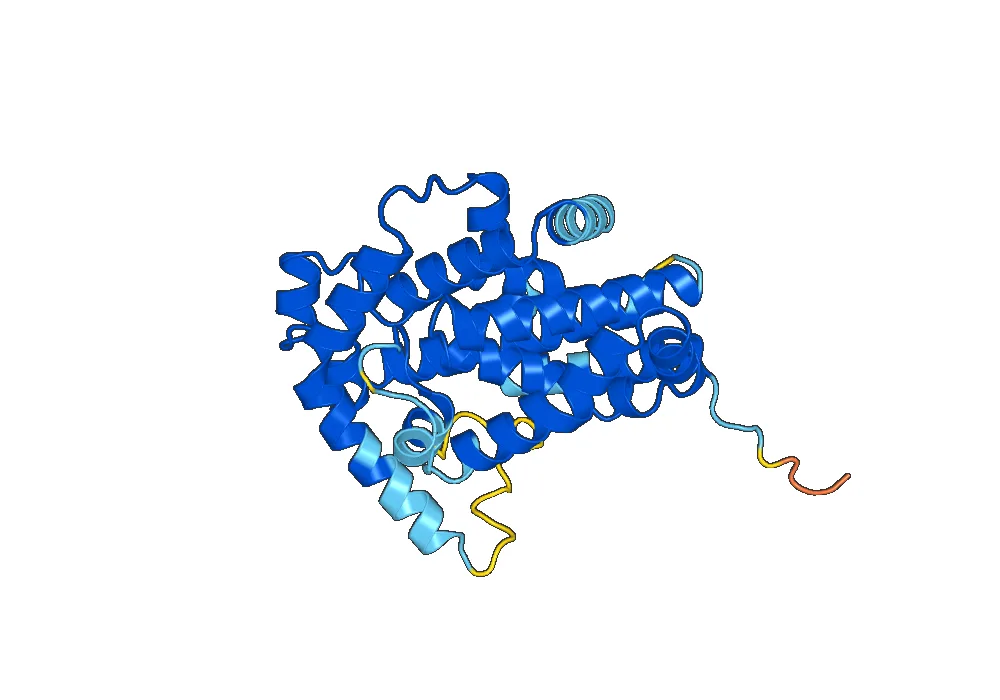
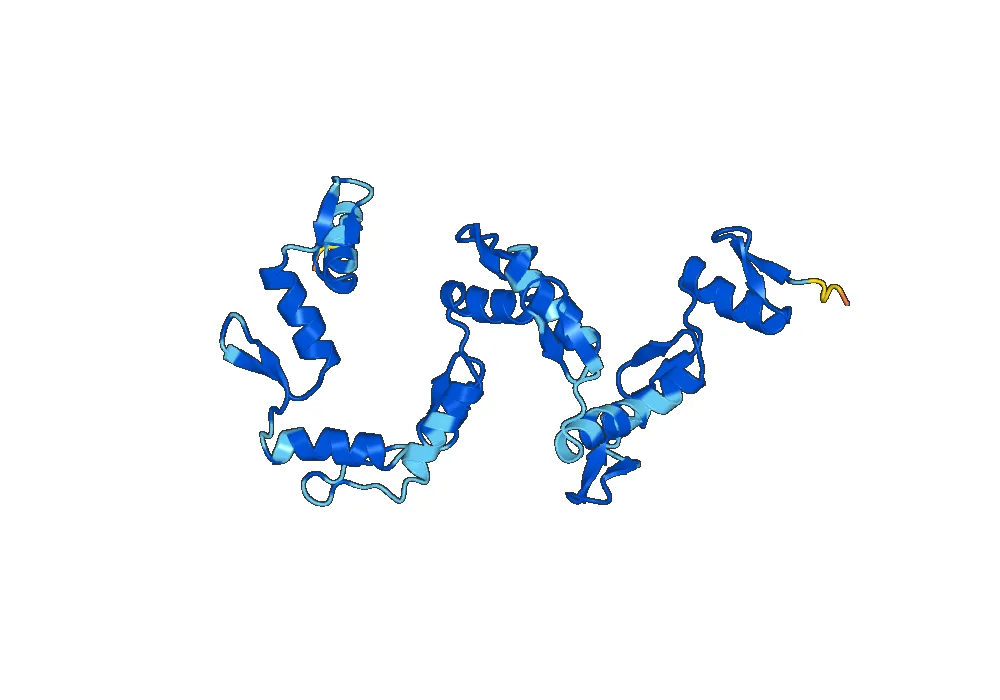
Structure of Recombinant Human BCAR3 Protein
The BCAR3 gene is located on chromosome 16 and encodes for a protein with a molecular weight of 60 kDa. The recombinant version of this protein is produced by inserting the BCAR3 gene into a suitable expression vector and then expressing it in a host cell. The resulting protein has a similar structure to the native BCAR3 protein found in human cells.
The recombinant protein consists of 550 amino acids and contains several functional domains, including a SH2 domain, a proline-rich domain, and a coiled-coil domain. These domains play important roles in the protein’s function and interaction with other molecules.
Activity of Recombinant Human BCAR3 Protein
The primary function of BCAR3 protein is to regulate cell signaling pathways, particularly those involved in cell growth, survival, and migration. It acts as an adaptor protein, meaning it facilitates the interaction between different proteins to carry out specific cellular functions.
One of the key activities of BCAR3 is its role in the regulation of estrogen signaling. It has been shown to interact with estrogen receptors and modulate their activity, making it a potential target for breast cancer treatment. Additionally, BCAR3 is involved in the regulation of other signaling pathways, such as the PI3K/Akt and MAPK pathways, which are important for cell proliferation and survival.
Application of Recombinant Human BCAR3 Protein
The recombinant form of BCAR3 protein has been widely used in research and drug development. Its potential as a therapeutic target for breast cancer has led to the development of BCAR3 inhibitors as potential anti-cancer drugs. These inhibitors can block the interaction between BCAR3 and estrogen receptors, thereby inhibiting estrogen signaling and potentially slowing down the growth of breast cancer cells.
Moreover, recombinant BCAR3 protein has been used in studies to understand its role in other diseases, such as ovarian cancer, lung cancer, and Alzheimer’s disease. It has also been studied for its involvement in immune response and inflammation, making it a potential target for autoimmune diseases and inflammatory disorders.
Conclusion
In summary, Recombinant Human BCAR3 Protein is a crucial protein involved in various cellular processes, particularly in regulating cell signaling pathways. Its structure, activity, and potential applications make it a valuable tool in scientific research and drug development. Further studies on this protein may provide insights into its role in different diseases and lead to the development of new treatments.
Keywords
Recombinant protein, BCAR3, Breast Cancer Anti-Estrogen Resistance 3, structure, activity, application, breast cancer, cell signaling, estrogen, inhibitor, therapeutic target, research, drug development, immune response, inflammation.



There are no reviews yet.