Introduction to Recombinant Human CASP6
Recombinant Human CASP6, also known as Caspase 6, is a protein that plays a critical role in the process of programmed cell death, or apoptosis. This protein is a member of the caspase family of enzymes, which are responsible for initiating and executing apoptosis in cells. Recombinant Human CASP6 is produced through genetic engineering techniques, making it a valuable tool for studying the structure, activity, and applications of this important protein.
Structure of Recombinant Human CASP6
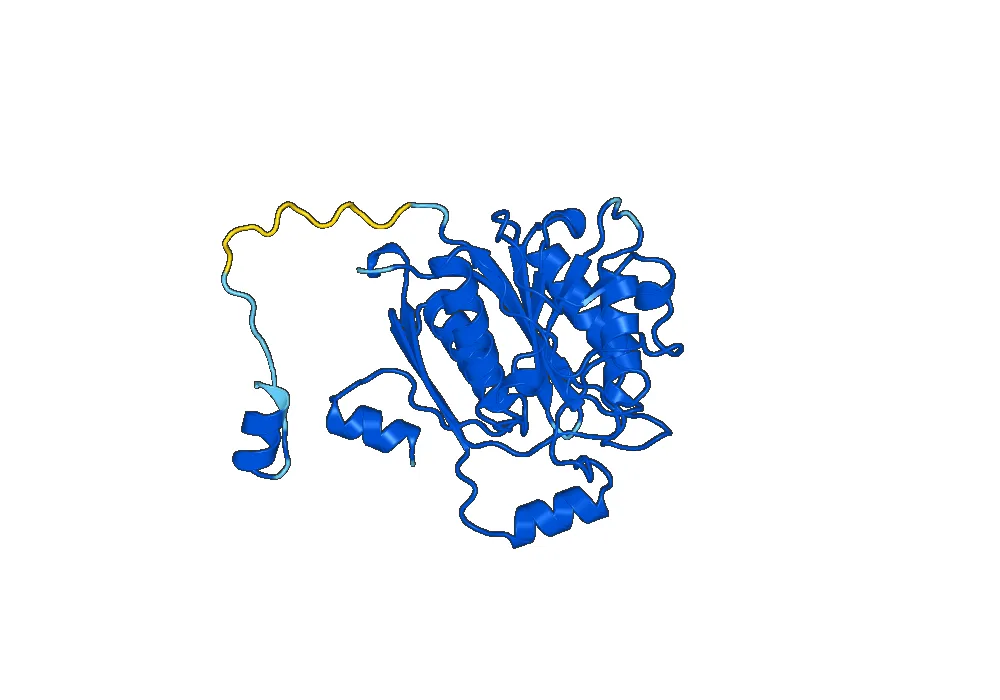
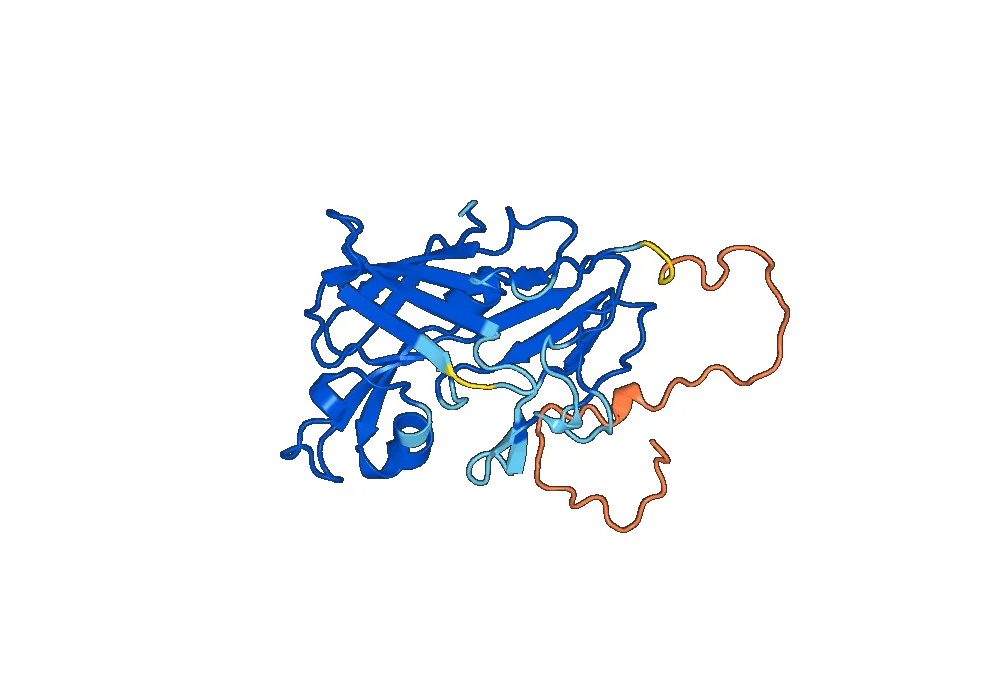
Recombinant Human CASP6 is a 34 kDa protein that is composed of 293 amino acids. It is made up of two subunits, the large subunit with a molecular weight of 18 kDa and the small subunit with a molecular weight of 11 kDa. These subunits are held together by a linker region, which is responsible for the activation of the enzyme. Recombinant Human CASP6 also contains a catalytic domain, which is responsible for the cleavage of target proteins during apoptosis. This domain is highly conserved among caspase family members and is essential for the activity of Recombinant Human CASP6.
Activity of Recombinant Human CASP6
Recombinant Human CASP6 is a cysteine protease, meaning it uses a cysteine residue in its active site to cleave target proteins. It is activated by cleavage at specific sites within the linker region, which is triggered by various stimuli such as DNA damage or cellular stress. Once activated, Recombinant Human CASP6 can cleave a variety of target proteins involved in cell survival and proliferation, leading to cell death. This activity is tightly regulated in healthy cells, but dysregulation of Recombinant Human CASP6 has been linked to various diseases such as cancer and neurodegenerative disorders.
Applications of Recombinant Human CASP6
Recombinant Human CASP6 has been widely used in research to study the role of caspases in apoptosis and their potential as therapeutic targets. One of the main applications of Recombinant Human CASP6 is in drug discovery, where it is used to screen for potential inhibitors that can block the activity of this enzyme. Inhibitors of Recombinant Human CASP6 have shown promise in treating diseases such as Alzheimer’s and Parkinson’s, where dysregulation of caspase activity is believed to play a role. Recombinant Human CASP6 has also been used in studies to understand the mechanisms of cell death and its role in various diseases, providing valuable insights into potential treatments.
Recombinant Human CASP6 as an Antigen
In addition to its role in apoptosis, Recombinant Human CASP6 has also been used as an antigen in various immunological studies. The catalytic domain of this protein has been shown to elicit an immune response in animal models, making it a potential target for vaccine development. Recombinant Human CASP6 has also been used as an antigen in diagnostic tests for certain diseases, as elevated levels of this protein have been observed in patients with certain types of cancer.
Conclusion
In summary, Recombinant Human CASP6 is a key player in the process of programmed cell death and has important implications in various diseases. Its structure and activity have been extensively studied, and its potential as a therapeutic target and antigen have been explored. As research on this protein continues, it is likely that new applications and insights into its role in disease will be discovered, making Recombinant Human CASP6 an important tool in the field of molecular biology and medicine.


There are no reviews yet.