Introduction
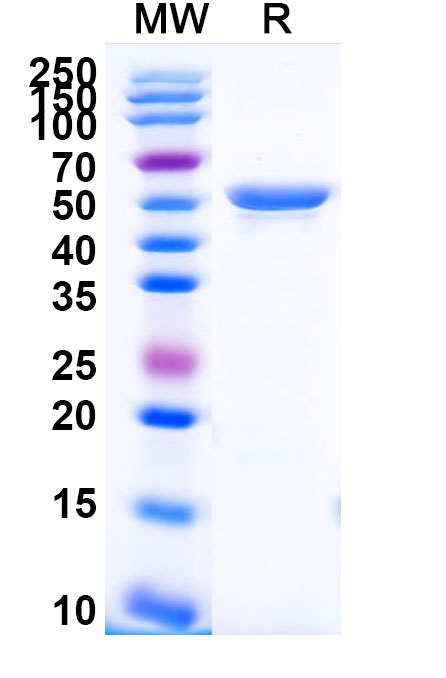
Recombinant Human CD49f/ITGA6 Protein, also known as Integrin alpha-6, is a membrane protein that plays a crucial role in cell adhesion and migration. It is a member of the integrin family, which are transmembrane receptors that mediate cell-extracellular matrix interactions. This protein is encoded by the ITGA6 gene and is composed of two subunits, alpha and beta, which are non-covalently linked. In this article, we will discuss the structure, activity, and applications of Recombinant Human CD49f/ITGA6 Protein.
Structure of Recombinant Human CD49f/ITGA6 Protein
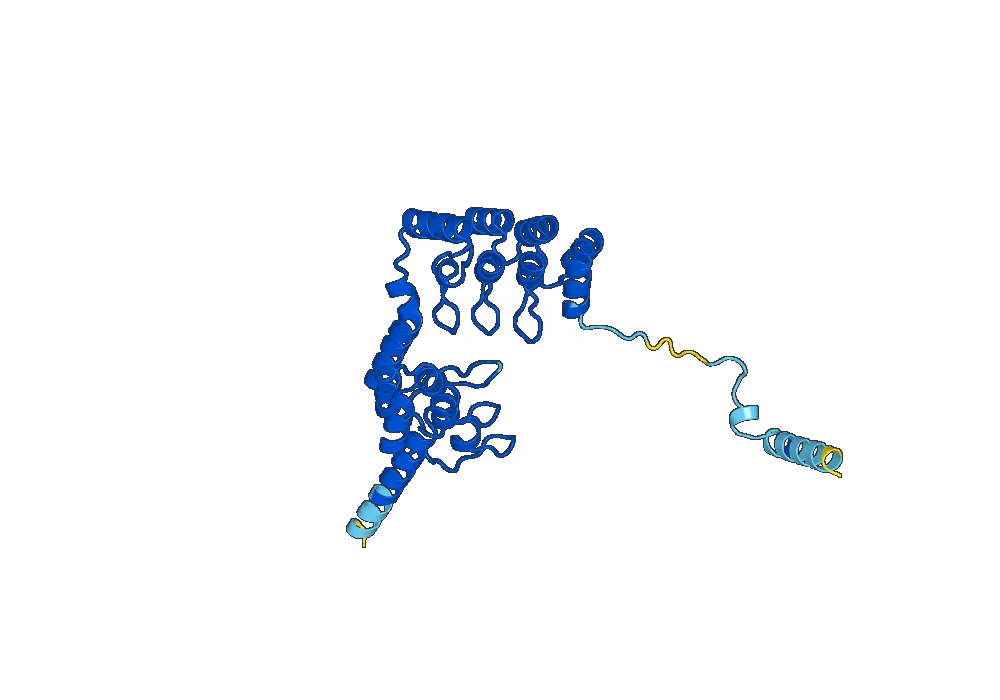
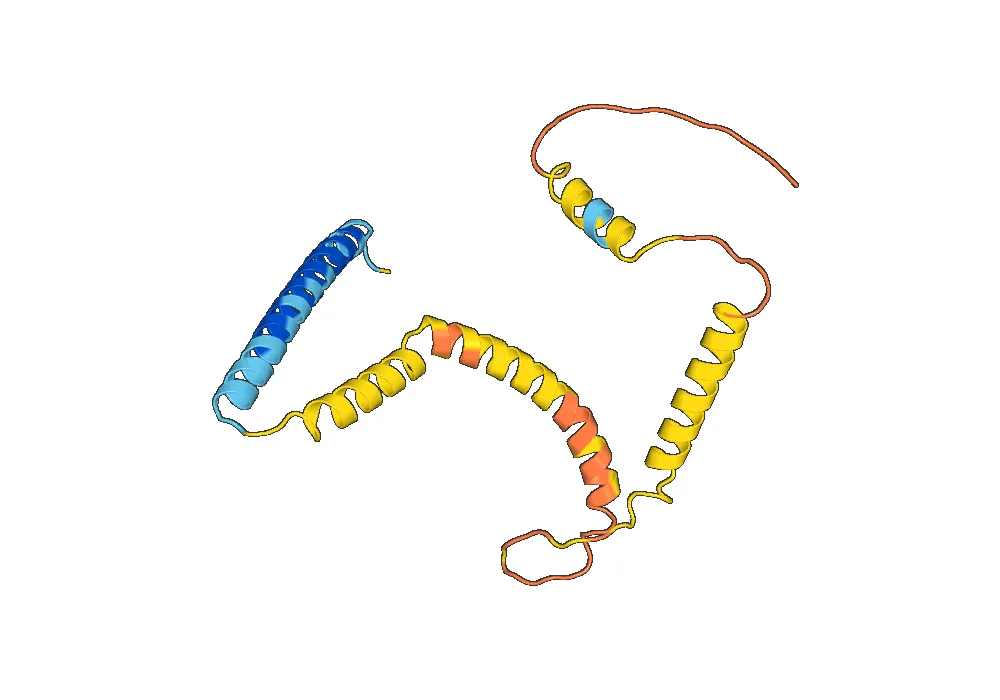
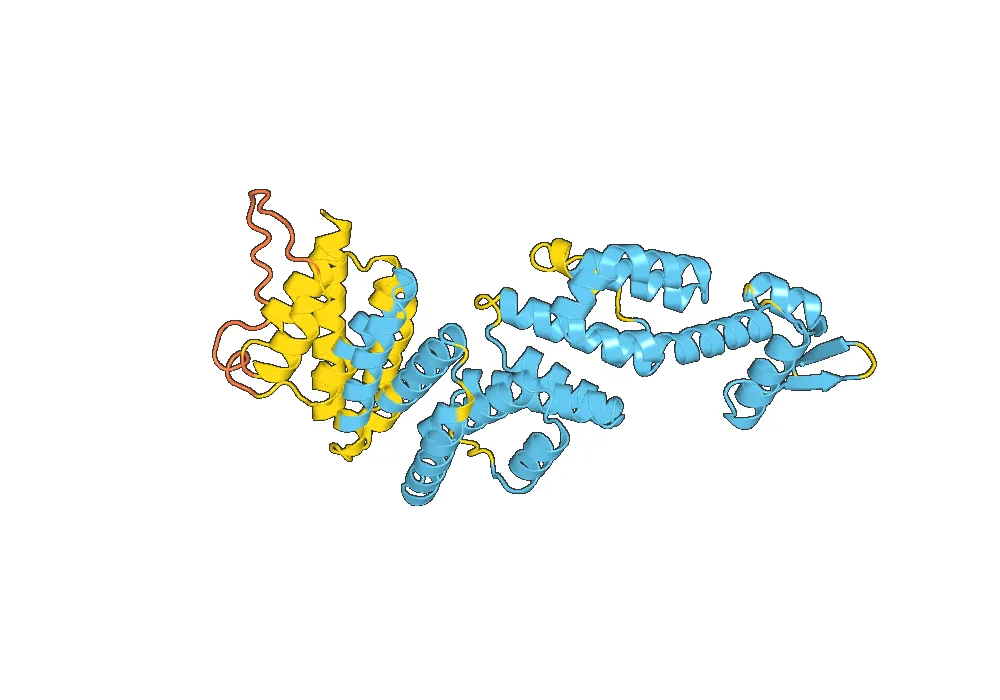
The alpha subunit of Recombinant Human CD49f/ITGA6 Protein contains a large extracellular domain, a single transmembrane domain, and a short cytoplasmic tail. The extracellular domain consists of seven repeats of a structural motif called the von Willebrand factor type A domain, which is responsible for binding to extracellular matrix proteins such as laminin and fibronectin. The beta subunit contains a single transmembrane domain and a longer cytoplasmic tail, which interacts with intracellular signaling molecules.
The two subunits of Recombinant Human CD49f/ITGA6 Protein come together to form a heterodimer, which is the functional form of the protein. This heterodimer can also associate with other integrin subunits to form different types of integrin receptors, allowing for a wide range of functions in the body.
Activity of Recombinant Human CD49f/ITGA6 Protein
Recombinant Human CD49f/ITGA6 Protein is primarily expressed on the surface of epithelial cells, endothelial cells, and immune cells. It plays a crucial role in cell adhesion and migration, which are essential processes for tissue formation and repair, as well as immune response. This protein is involved in the binding of cells to the extracellular matrix, as well as cell-cell interactions.
Recombinant Human CD49f/ITGA6 Protein also has a role in signaling pathways within the cell. When the protein binds to its ligands on the extracellular matrix, it can activate intracellular signaling molecules, leading to changes in gene expression and cell behavior. This allows for the regulation of important cellular processes such as proliferation, differentiation, and survival.
Applications of Recombinant Human CD49f/ITGA6 Protein
The unique structure and activity of Recombinant Human CD49f/ITGA6 Protein make it a valuable tool in various research and clinical applications. One major application is in the study of cell adhesion and migration. By manipulating the expression or activity of this protein, researchers can gain insights into the mechanisms behind these processes and their role in various diseases.
Recombinant Human CD49f/ITGA6 Protein is also used in drug discovery and development. Its involvement in signaling pathways makes it a potential target for therapeutic interventions. By studying the interactions of this protein with its ligands and other molecules, researchers can identify potential drugs that can modulate its activity for the treatment of various diseases.
Furthermore, Recombinant Human CD49f/ITGA6 Protein has been used in tissue engineering and regenerative medicine. Its role in cell adhesion and migration makes it a crucial component in the formation of functional tissues. By incorporating this protein into biomaterials or using it to modify cell behavior, researchers can enhance tissue regeneration and repair.
Conclusion
In conclusion, Recombinant Human CD49f/ITGA6 Protein is a vital player in cell adhesion, migration, and signaling. Its unique structure and activity make it a valuable tool in various research and clinical applications, including drug discovery, tissue engineering, and disease studies. Further research on this protein may lead to new insights and potential therapeutic interventions for

There are no reviews yet.