Introduction to Recombinant Human CD81
Recombinant Human CD81 is a protein that is commonly used in scientific research and has a wide range of applications. This protein is a member of the tetraspanin family, which are a group of transmembrane proteins that are involved in various cellular processes such as cell adhesion, migration, and signaling. CD81 is found on the surface of various cell types, including immune cells, and has been extensively studied for its role in immune function and disease progression.
Structure of Recombinant Human CD81
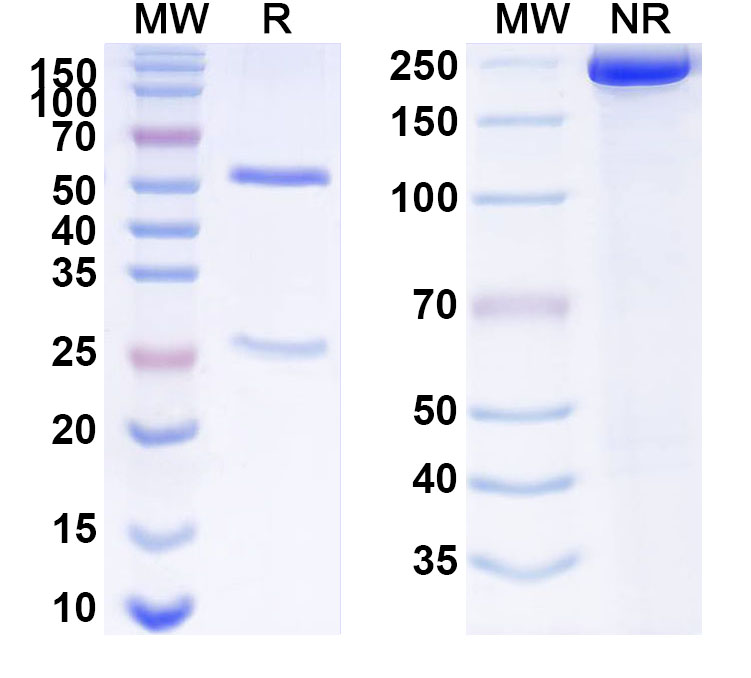
Recombinant Human CD81 is a glycoprotein that is composed of 236 amino acids and has a molecular weight of approximately 26 kDa. It is made up of four transmembrane domains, two extracellular loops, and two intracellular loops. The extracellular loops contain several cysteine residues, which are important for the formation of disulfide bonds and the overall stability of the protein. The intracellular loops are involved in protein-protein interactions and play a role in signaling pathways.
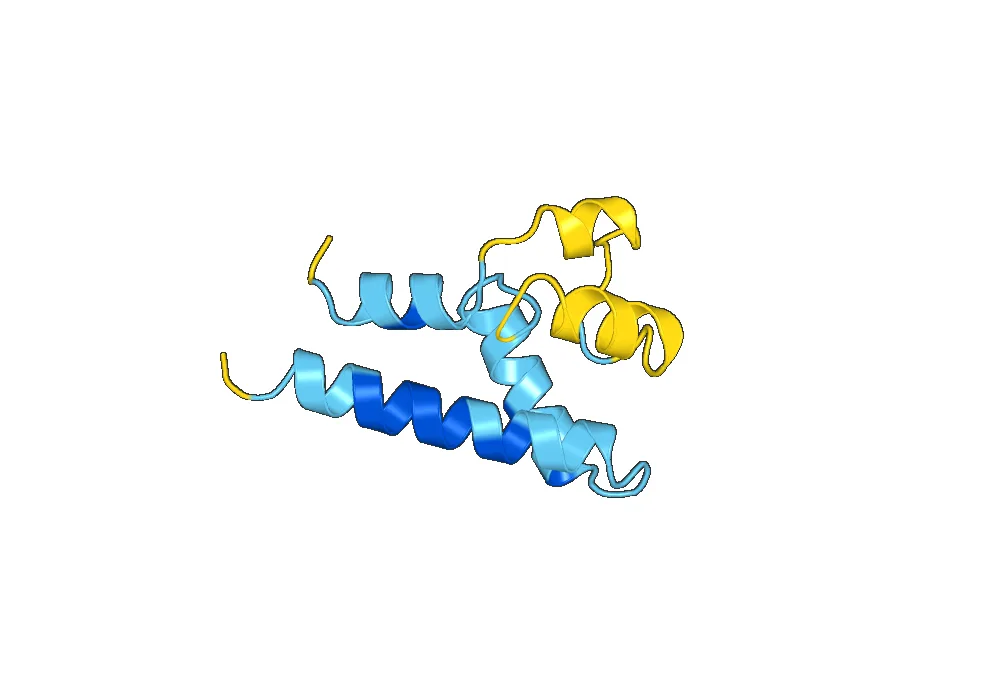
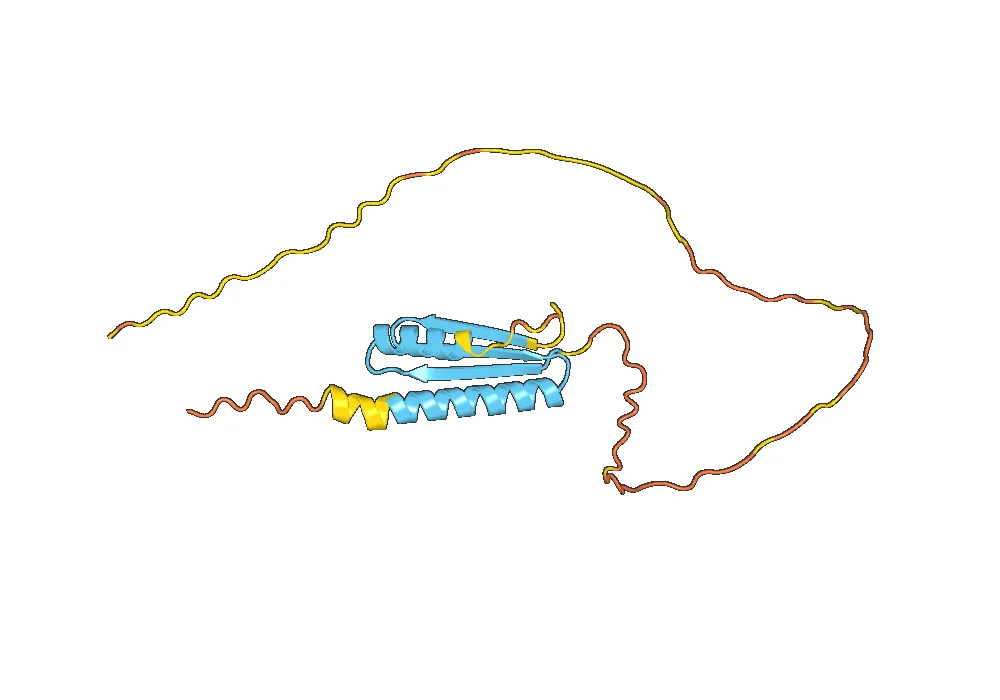
The crystal structure of CD81 has been determined, revealing a compact and globular shape with a characteristic four-helix bundle. This structure is highly conserved among different species, indicating the importance of CD81 in cellular function. Recombinant Human CD81 is produced through recombinant DNA technology, where the gene encoding for CD81 is inserted into a suitable expression vector and then expressed in host cells such as bacteria or mammalian cells. This allows for large-scale production of the protein for research purposes.
Activity of Recombinant Human CD81
CD81 is known to interact with various molecules on the cell surface, including other tetraspanins, integrins, and receptors. These interactions play a crucial role in cellular processes such as cell adhesion, migration, and signaling. CD81 has been shown to be involved in the immune response, as it is expressed on immune cells such as B cells, T cells, and dendritic cells. It has been implicated in the regulation of T cell activation, B cell development, and antigen presentation.
One of the most well-studied functions of CD81 is its role in viral entry. It has been shown to act as a receptor for several viruses, including hepatitis C virus, which causes liver disease. CD81 is also involved in the entry of other viruses such as HIV, dengue virus, and Ebola virus. This makes CD81 a potential target for the development of antiviral therapies.
Applications of Recombinant Human CD81
Recombinant Human CD81 has a wide range of applications in scientific research. Due to its involvement in immune function and disease progression, it has been extensively studied in various diseases such as cancer, viral infections, and autoimmune disorders. Recombinant CD81 can be used in in vitro studies to investigate the role of CD81 in disease pathogenesis and to identify potential therapeutic targets.
In addition, recombinant CD81 can also be used in diagnostic assays, such as ELISA and flow cytometry, to detect the presence of CD81 on cell surfaces. This can be useful in identifying specific cell types or in monitoring disease progression. Recombinant CD81 can also be used in drug discovery and development, as it can serve as a target for the development of antiviral or immunomodulatory therapies.
Conclusion
In summary, Recombinant Human CD81 is a versatile protein that plays a crucial role in various cellular processes and has numerous applications in scientific research. Its structure, activity, and involvement in disease make it a valuable tool for understanding the complex mechanisms of immune function and disease progression. Further research on CD81 may lead to the development of novel therapies for various diseases, making it an exciting area of study in the field of biomedicine.


There are no reviews yet.