Introduction to Recombinant Human CEMIP
Recombinant Human CEMIP (Cell Migration Inducing Hyaluronan Binding Protein) is a protein that plays a crucial role in cell migration and adhesion. It is a member of the hyaluronan-binding protein family and is encoded by the CEMIP gene. This protein is involved in various physiological processes such as wound healing, tissue regeneration, and tumor metastasis. Recombinant Human CEMIP is produced through recombinant DNA technology and has become an important tool in research and biotechnology.
Structure of Recombinant Human CEMIP
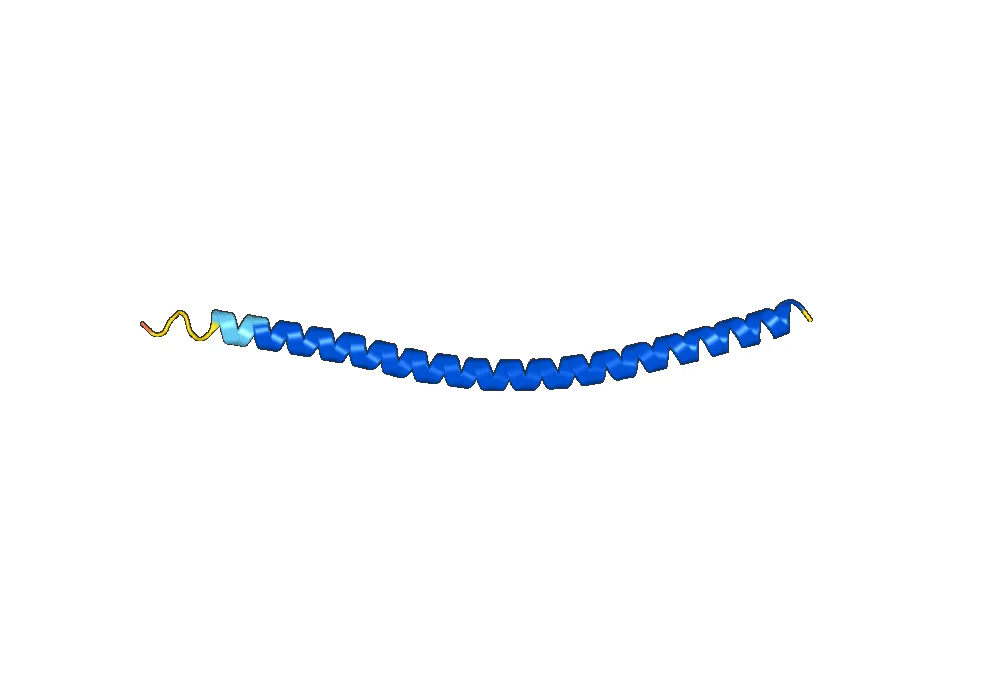
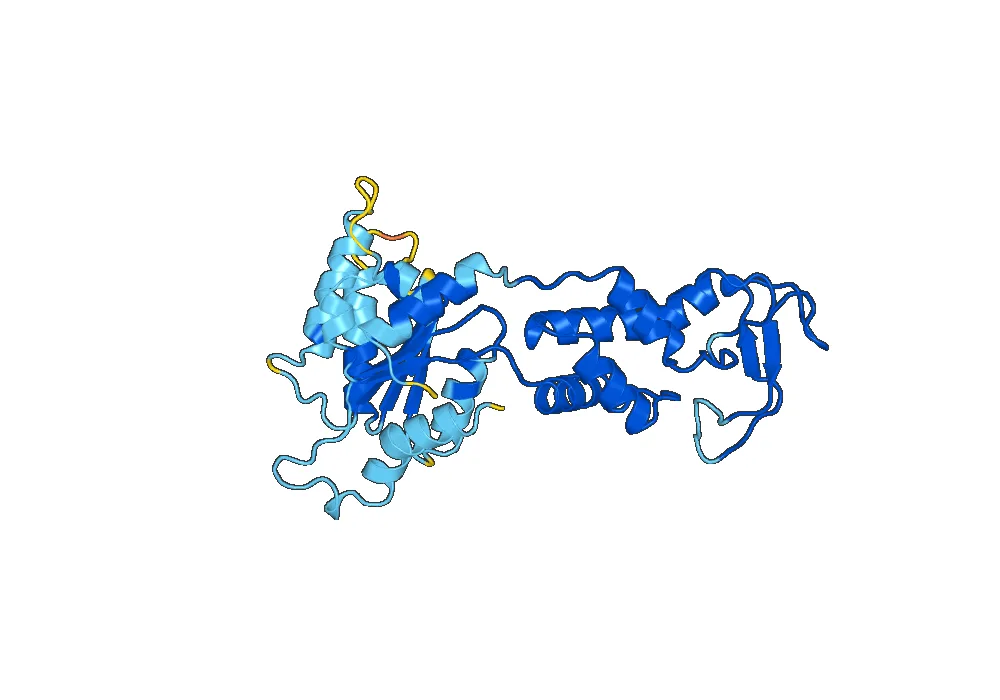
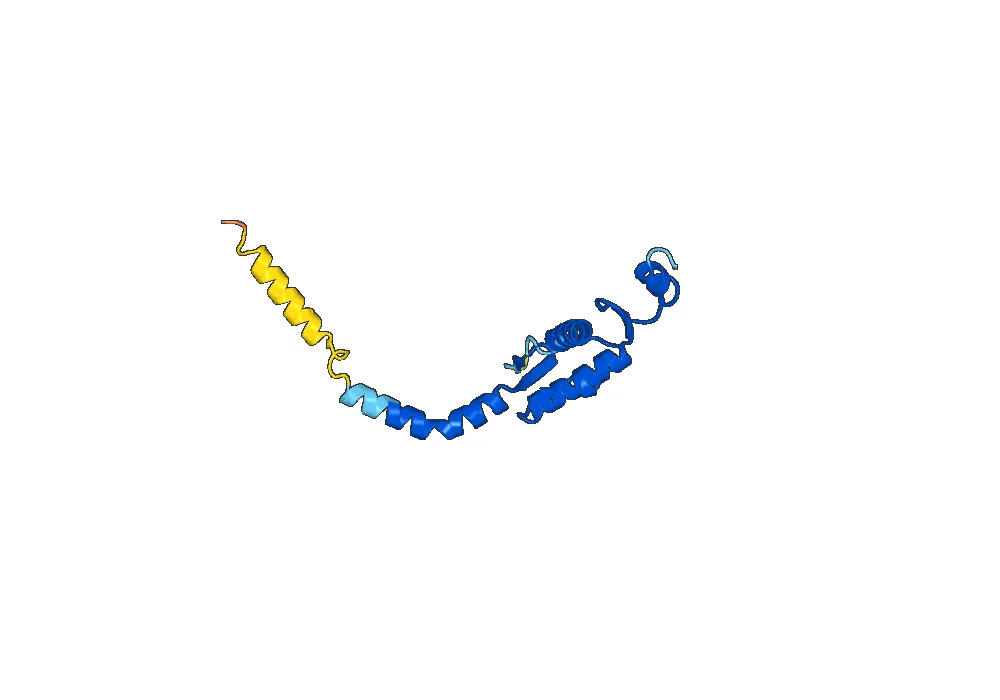
Recombinant Human CEMIP is a transmembrane protein that consists of 1,505 amino acids and has a molecular weight of approximately 170 kDa. It is composed of multiple domains, including a signal peptide, an N-terminal hyaluronan-binding domain, a cysteine-rich domain, a transmembrane domain, and a C-terminal cytoplasmic domain. The hyaluronan-binding domain is responsible for the interaction of CEMIP with hyaluronan, a major component of the extracellular matrix. The cysteine-rich domain contains multiple cysteine residues that are important for protein folding and stability. The transmembrane domain anchors the protein to the cell membrane, while the cytoplasmic domain is involved in signal transduction and protein-protein interactions.
Activity of Recombinant Human CEMIP
Recombinant Human CEMIP is a multifunctional protein that has been shown to play a role in cell migration, adhesion, and invasion. It is highly expressed in various tissues, including the skin, lung, and kidney. CEMIP has been found to promote cell migration by interacting with hyaluronan and other extracellular matrix components. It also regulates cell adhesion by binding to integrin receptors on the cell surface. In addition, CEMIP has been shown to enhance the invasive potential of cancer cells by promoting the breakdown of the extracellular matrix and facilitating tumor cell migration.
Applications of Recombinant Human CEMIP
Recombinant Human CEMIP has a wide range of applications in both research and biotechnology. Its role in cell migration and adhesion makes it an important tool for studying wound healing and tissue regeneration. It has also been implicated in various disease processes, such as cancer metastasis, making it a potential target for therapeutic interventions. In addition, recombinant CEMIP can be used in drug discovery and development, as well as in the production of diagnostic assays for cancer and other diseases.
Recombinant Human CEMIP as a Research Tool
Recombinant Human CEMIP is commonly used in research to study its role in cell migration and adhesion. It can be produced in large quantities using recombinant DNA technology and is available from various commercial sources. Researchers can use recombinant CEMIP to investigate its interactions with other proteins and extracellular matrix components, as well as its signaling pathways and downstream effects on cell behavior. Additionally, recombinant CEMIP can be used to generate antibodies for further studies and as a positive control in various assays.
Recombinant Human CEMIP in Biotechnology
Recombinant Human CEMIP has potential applications in biotechnology, particularly in drug discovery and development. Its involvement in cancer metastasis makes it a potential target for anti-cancer therapies. Recombinant CEMIP can be used in high-throughput screening assays to identify compounds that can inhibit its activity and potentially block tumor cell migration and invasion. Furthermore, recombinant CEMIP can be used in the development of diagnostic assays for cancer, as its expression is elevated in various types of cancer.
Conclusion
In summary, Recombinant Human CEMIP is a multifunctional


There are no reviews yet.