Introduction to Recombinant Human CHRNA6 Protein
Recombinant Human CHRNA6 Protein is a type of protein that is produced through recombinant DNA technology. This protein is a member of the nicotinic acetylcholine receptor family and is encoded by the CHRNA6 gene. It is primarily found in the brain and is involved in various physiological processes, making it an important target for research and potential therapeutic applications.
Structure of Recombinant Human CHRNA6 Protein
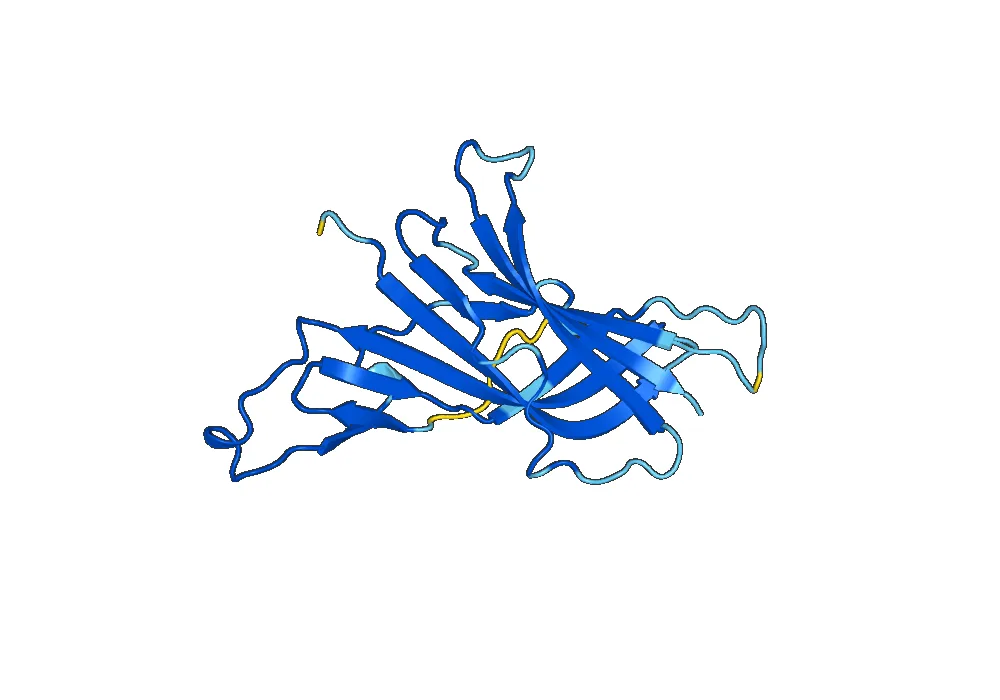
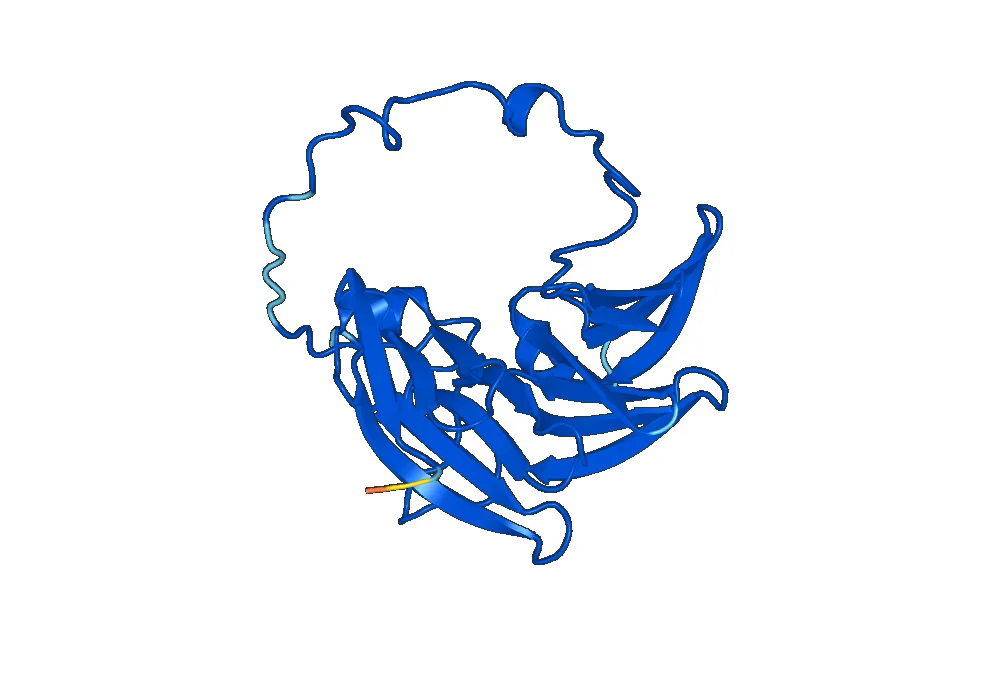
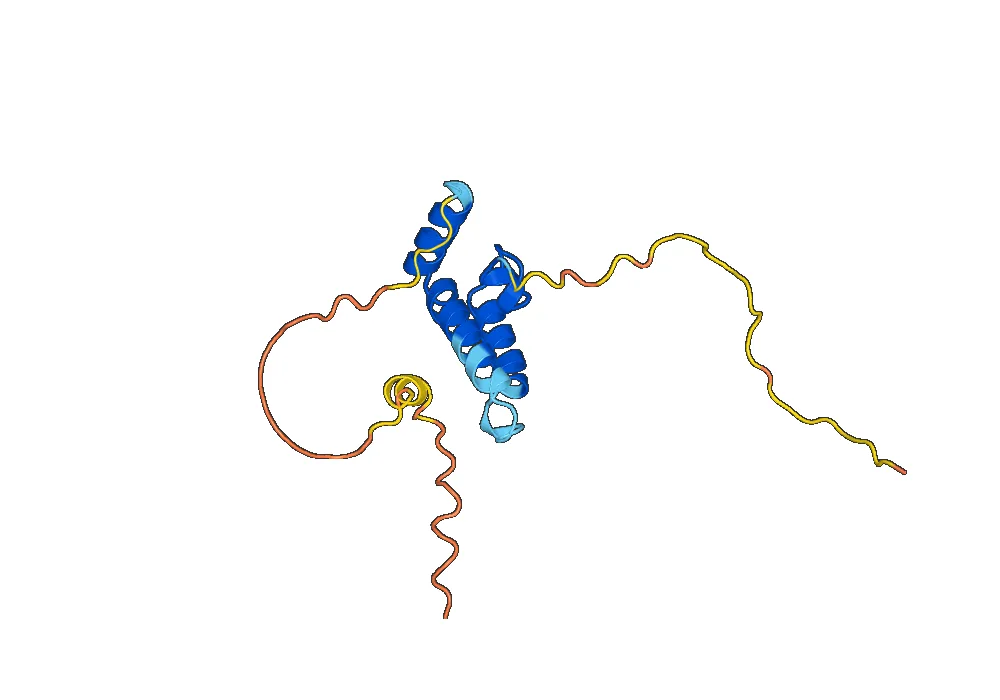
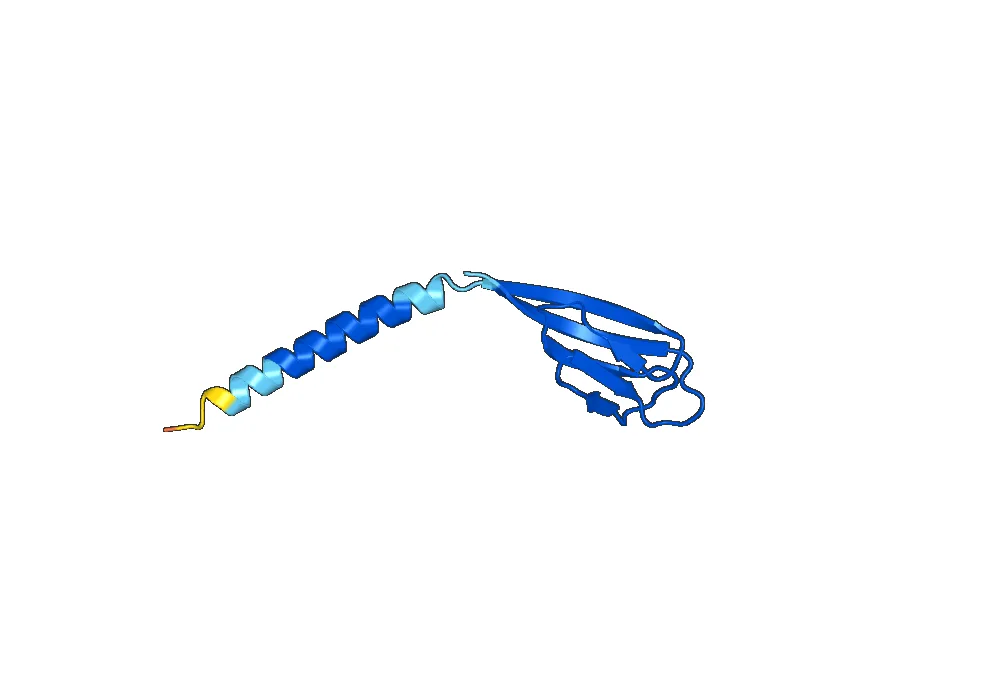
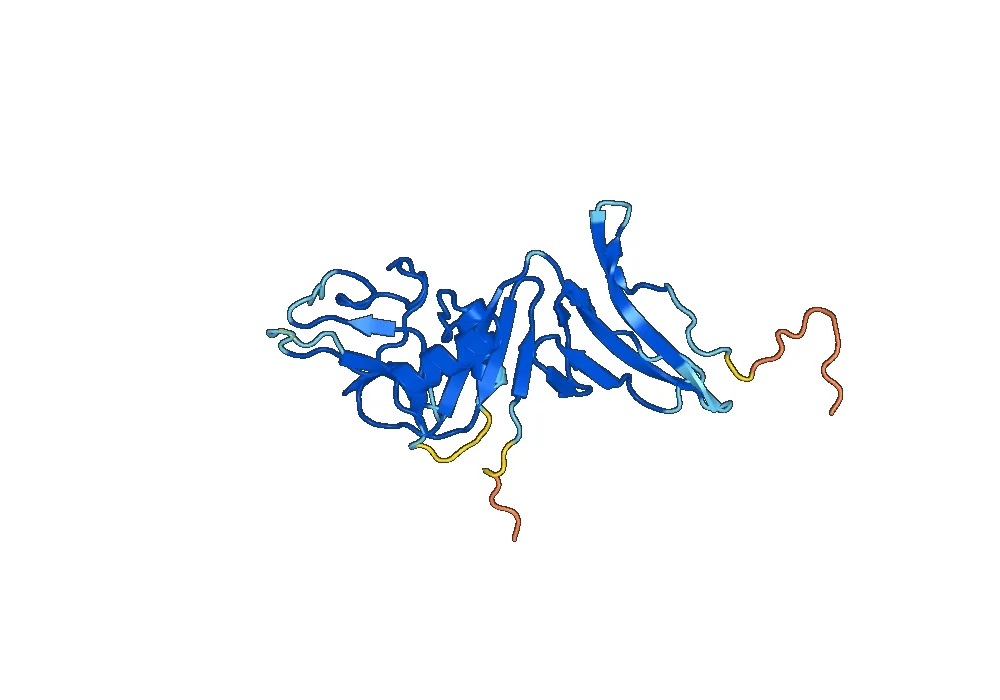
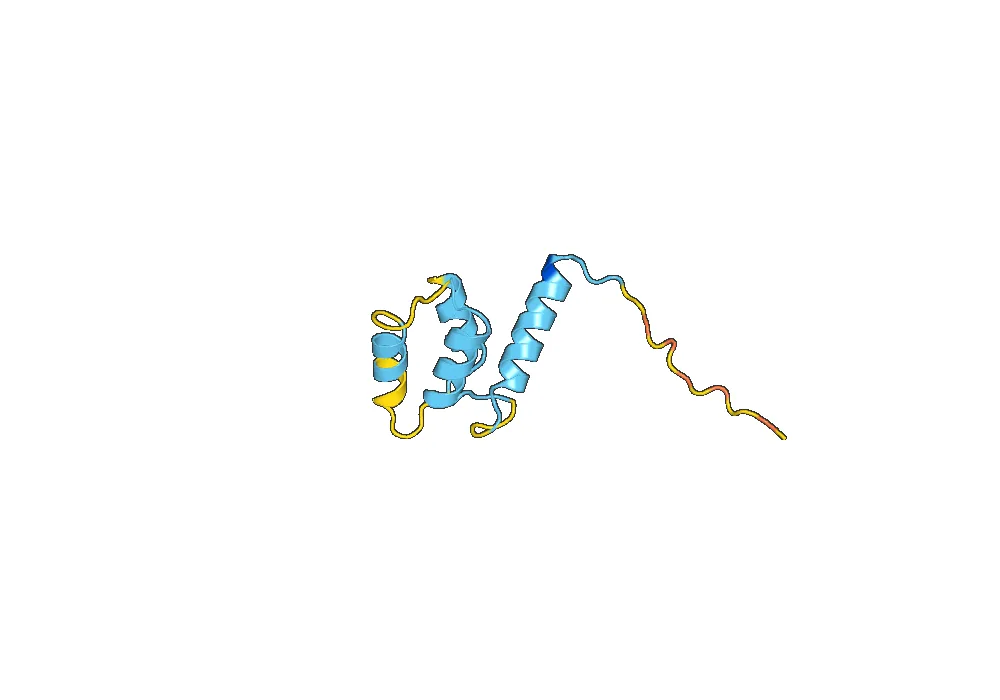
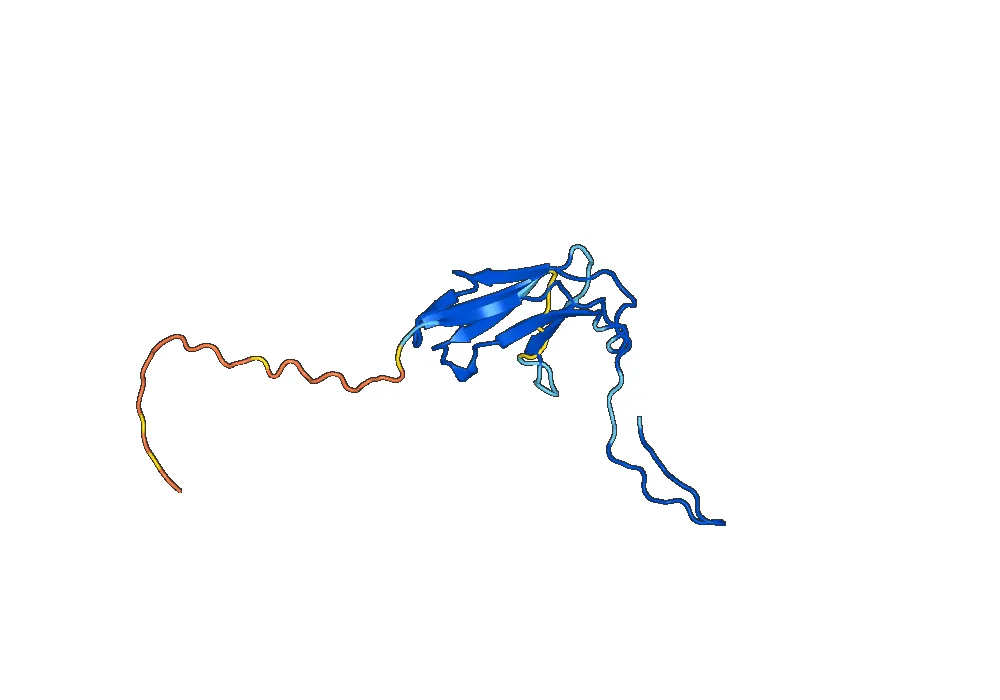
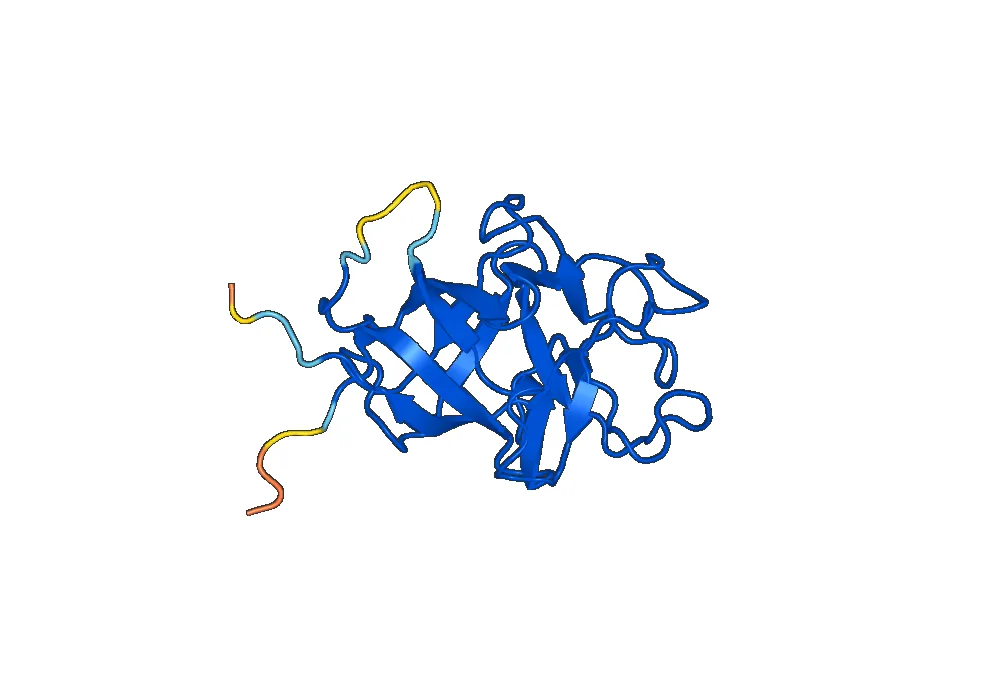
The structure of Recombinant Human CHRNA6 Protein is similar to other members of the nicotinic acetylcholine receptor family. It is composed of five subunits, each containing four transmembrane domains. These subunits come together to form a central pore that allows the passage of ions, specifically sodium and calcium, across the cell membrane.
The CHRNA6 gene encodes for the alpha6 subunit of the nicotinic acetylcholine receptor, which is the primary subunit of Recombinant Human CHRNA6 Protein. This subunit is essential for the proper functioning of the receptor and is responsible for binding to acetylcholine, the neurotransmitter that activates the receptor.
Activity of Recombinant Human CHRNA6 Protein
Recombinant Human CHRNA6 Protein is primarily found in the brain, specifically in regions involved in cognitive function, addiction, and reward. It is a ligand-gated ion channel, meaning that it is activated by the binding of a specific molecule, in this case, acetylcholine.
When activated, Recombinant Human CHRNA6 Protein allows the passage of ions, specifically sodium and calcium, into the cell. This influx of ions leads to the generation of an electrical signal, which is essential for the proper functioning of the brain. This process is known as neurotransmission and is crucial for various physiological processes, including learning, memory, and motor control.
However, studies have also shown that Recombinant Human CHRNA6 Protein may play a role in addiction. Nicotine, a chemical found in tobacco products, can bind to Recombinant Human CHRNA6 Protein and activate it, leading to the release of dopamine, a neurotransmitter involved in reward and pleasure. This mechanism is believed to contribute to the addictive properties of nicotine and other substances that activate Recombinant Human CHRNA6 Protein.
Applications of Recombinant Human CHRNA6 Protein
Due to its role in various physiological processes and potential involvement in addiction, Recombinant Human CHRNA6 Protein has been the subject of numerous research studies. One potential application of this protein is in the development of drugs for the treatment of nicotine addiction. By targeting Recombinant Human CHRNA6 Protein, researchers hope to develop drugs that can block its activation by nicotine, reducing the rewarding effects of nicotine and potentially aiding in smoking cessation.
In addition, Recombinant Human CHRNA6 Protein has also been studied in relation to cognitive function and neurological disorders. Mutations in the CHRNA6 gene have been linked to certain neurological disorders, such as schizophrenia and epilepsy. By studying the structure and activity of Recombinant Human CHRNA6 Protein, researchers hope to gain a better understanding of these disorders and potentially develop new treatments.
Furthermore, Recombinant Human CHRNA6 Protein has also been used in research studies to investigate its role in cognitive function and addiction. By studying the effects of activating or blocking Recombinant Human CHRNA6 Protein, researchers can gain insight into its specific role in these processes and potentially identify new therapeutic targets.
Conclusion
Recombinant Human CHRNA6 Protein is an essential protein involved in various physiological processes, including neurotransmission, addiction, and cognitive function. Its structure and activity make it an important target for research and potential therapeutic applications. By understanding the structure and function of this protein, researchers hope to develop new treatments for addiction and neurological disorders, as

There are no reviews yet.