Introduction to Recombinant Human CLIC4
Recombinant Human CLIC4, also known as Chloride Intracellular Channel 4, is a protein that plays a crucial role in various cellular processes such as cell proliferation, apoptosis, and cytoskeletal organization. This protein belongs to the CLIC family, which consists of six members, and is highly conserved among different species. Recombinant Human CLIC4 is produced through genetic engineering techniques, making it a valuable tool in scientific research and potential therapeutic applications.
Structure of Recombinant Human CLIC4
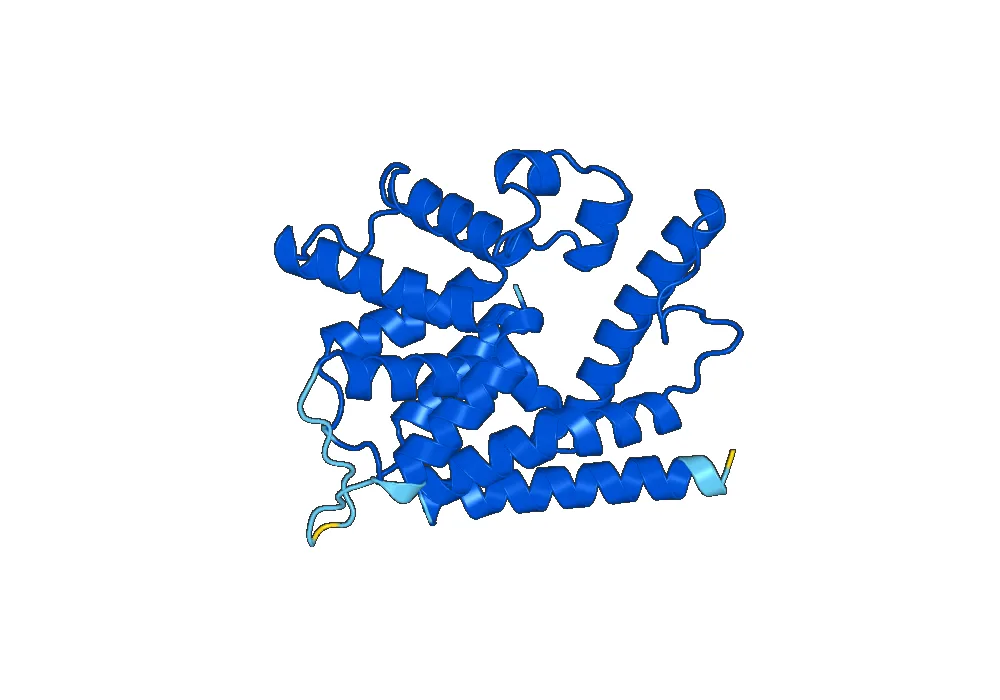
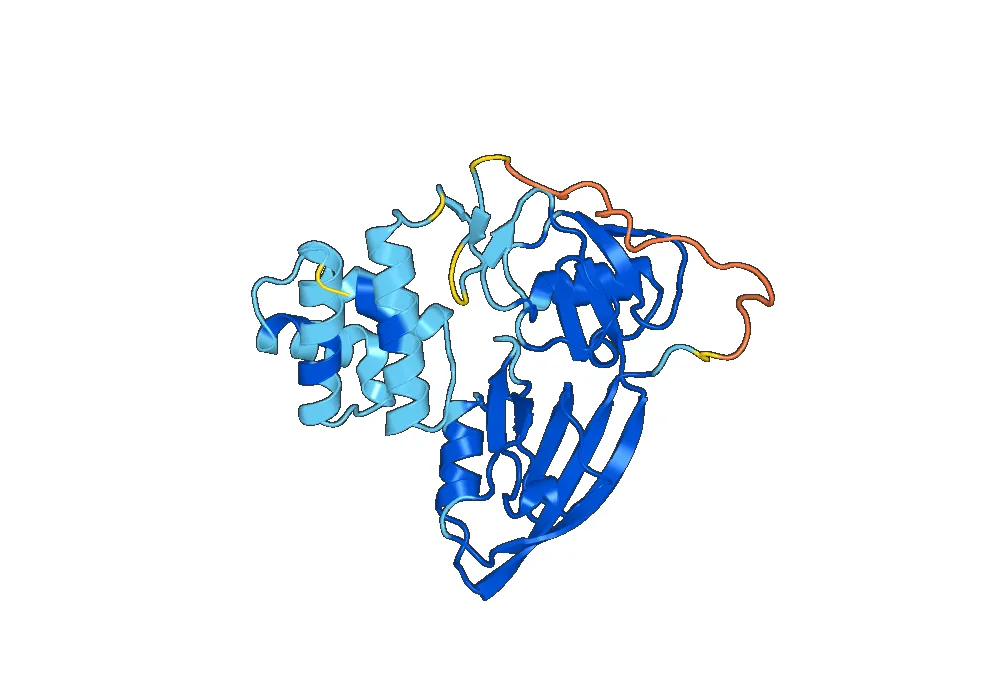
The gene encoding Recombinant Human CLIC4 is located on chromosome 1 in humans and consists of seven exons. The mature protein is composed of 241 amino acids, with a molecular weight of approximately 27 kDa. It contains a highly conserved GST (glutathione S-transferase) domain, which is essential for its function as a redox-regulated protein. Additionally, Recombinant Human CLIC4 has been shown to exist in both soluble and membrane-bound forms, with the latter being the predominant form in cells.
Activity of Recombinant Human CLIC4
Recombinant Human CLIC4 is a multi-functional protein that has been implicated in various cellular processes. One of its main functions is its role in cell proliferation, where it has been shown to promote cell cycle progression and cell growth. This activity is mediated through its interaction with the cytoskeleton and its ability to regulate the activity of Rho family GTPases, which are involved in cell motility and adhesion.
In addition to cell proliferation, Recombinant Human CLIC4 also plays a role in apoptosis, or programmed cell death. It has been shown to induce apoptosis in cancer cells, making it a potential target for cancer therapy. This activity is thought to be mediated through its ability to regulate the activity of caspases, which are enzymes involved in the process of apoptosis.
Another important function of Recombinant Human CLIC4 is its role in cellular redox regulation. It has been shown to act as a redox sensor, responding to changes in the cellular redox state by undergoing conformational changes and altering its activity. This activity is crucial for maintaining cellular homeostasis and protecting cells from oxidative stress.
Applications of Recombinant Human CLIC4
Recombinant Human CLIC4 has a wide range of potential applications in both research and therapeutic settings. Its role in cell proliferation and apoptosis makes it a valuable tool for studying these processes and their dysregulation in diseases such as cancer. Its ability to regulate cellular redox state also makes it a potential target for developing new treatments for oxidative stress-related diseases.
One of the most promising applications of Recombinant Human CLIC4 is in cancer therapy. Studies have shown that this protein is downregulated in various types of cancer, and its overexpression has been shown to inhibit tumor growth and induce apoptosis in cancer cells. This makes it a potential target for developing new cancer treatments that specifically target cancer cells while sparing healthy cells.
Recombinant Human CLIC4 also has potential applications in the field of regenerative medicine, where it could be used to promote cell growth and tissue repair. Its role in regulating the cytoskeleton and cell adhesion could also make it a valuable tool in tissue engineering and wound healing.
Conclusion
In summary, Recombinant Human CLIC4 is a multi-functional protein with a wide range of potential applications in research and therapeutics. Its structure, activity, and various functions make it a valuable tool in studying cellular processes and developing new treatments for diseases such as cancer and oxidative stress-related conditions. Further research on this protein could lead to exciting new discoveries and advancements in the fields of biology and medicine.

There are no reviews yet.