Introduction to Recombinant Human CAMK4 Protein
Recombinant Human CAMK4 Protein, also known as Calcium/Calmodulin-Dependent Protein Kinase IV, is a highly conserved serine/threonine protein kinase that plays a crucial role in various cellular processes such as gene expression, cell differentiation, and synaptic plasticity. This protein is encoded by the CAMK4 gene and is expressed in various tissues including the brain, heart, and skeletal muscle.
Structure of Recombinant Human CAMK4 Protein
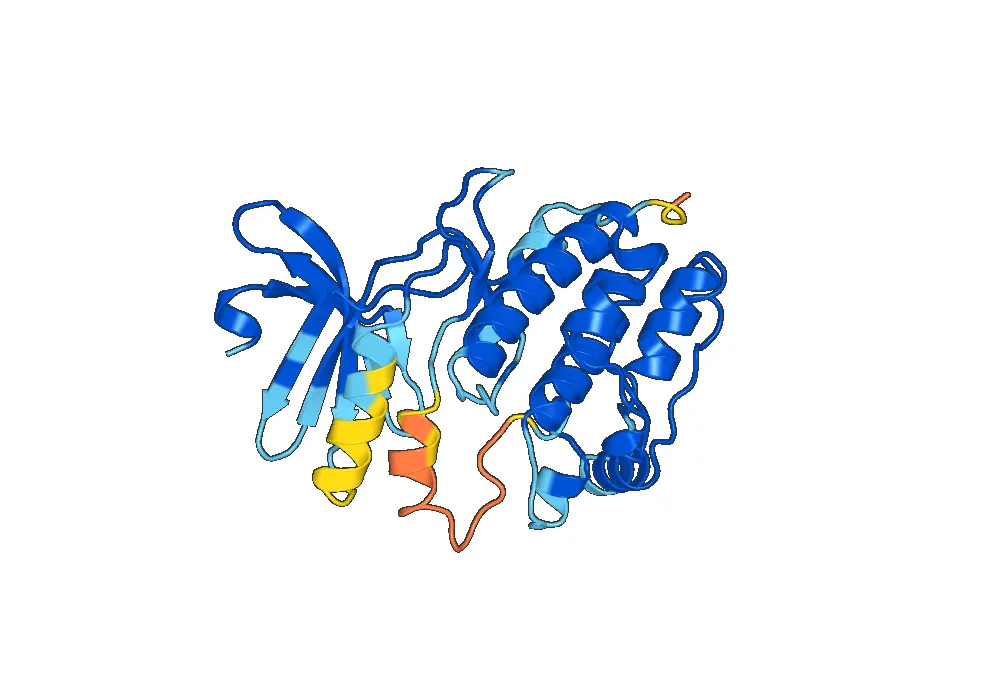
Recombinant Human CAMK4 Protein is composed of 473 amino acids and has a molecular weight of approximately 53 kDa. It contains a catalytic domain, a regulatory domain, and an autoinhibitory domain. The catalytic domain is responsible for the kinase activity of the protein, while the regulatory domain binds to calcium/calmodulin, a key mediator of CAMK4 activity. The autoinhibitory domain acts as a negative regulator of the kinase activity and is removed upon activation of the protein.
In addition to these domains, Recombinant Human CAMK4 Protein also contains several phosphorylation sites, including a threonine residue at position 196 that is crucial for the activation of the protein. This phosphorylation site is conserved among all CAMK family members and is essential for the proper functioning of the protein.
Activity of Recombinant Human CAMK4 Protein
Recombinant Human CAMK4 Protein is a calcium/calmodulin-dependent protein kinase, meaning its activity is regulated by the binding of calcium/calmodulin. Upon activation, the protein undergoes a conformational change that exposes the catalytic domain, allowing it to phosphorylate its target proteins. CAMK4 has been shown to phosphorylate a wide range of substrates, including transcription factors, ion channels, and other protein kinases.
One of the key functions of Recombinant Human CAMK4 Protein is its role in regulating gene expression. It has been shown to directly phosphorylate and activate the transcription factor CREB (cAMP response element-binding protein), which is involved in the expression of genes that are important for long-term memory formation. In addition, CAMK4 has also been implicated in regulating cell differentiation and survival by phosphorylating various signaling molecules involved in these processes.
Application of Recombinant Human CAMK4 Protein
Recombinant Human CAMK4 Protein has a wide range of applications in both basic research and drug development. As a key regulator of gene expression, it is often used in studies investigating the molecular mechanisms underlying memory formation, learning, and other cognitive processes. CAMK4 has also been linked to various neurological disorders, making it a potential target for drug development.
In addition, Recombinant Human CAMK4 Protein has been used in studies on cardiac function and heart disease. It has been shown to play a role in regulating the contraction and relaxation of cardiac muscle cells, and dysregulation of CAMK4 activity has been implicated in heart failure and other cardiovascular diseases.
Furthermore, Recombinant Human CAMK4 Protein has potential applications in cancer research. It has been found to be overexpressed in certain types of cancer, and its activity has been linked to cell proliferation and survival. Inhibition of CAMK4 activity has been shown to suppress tumor growth, making it a potential target for cancer therapy.
Conclusion
In summary, Recombinant Human CAMK4 Protein is a highly conserved serine/threonine protein kinase that plays a crucial role in various cellular processes. Its structure, activity, and applications make it a valuable tool in scientific research and drug development. As our understanding of this protein continues to grow, it has the potential to provide new insights into the functioning of the human body and aid in the development of novel therapies for various diseases.


There are no reviews yet.