Title: Introduction to Recombinant Human NFKBID
Recombinant Human NFKBID: Structure and Function
Recombinant Human NFKBID: Role in Immune Response
Recombinant Human NFKBID: Potential Therapeutic Applications
Introduction:
Recombinant proteins have become an essential tool in the field of biotechnology, providing researchers with a means to study and manipulate various biological processes. One such recombinant protein is Recombinant Human NFKBID, a member of the nuclear factor-kappa B (NF-κB) family of transcription factors. In this article, we will explore the structure, activity, and potential applications of Recombinant Human NFKBID.
Recombinant Human NFKBID: Structure and Function:
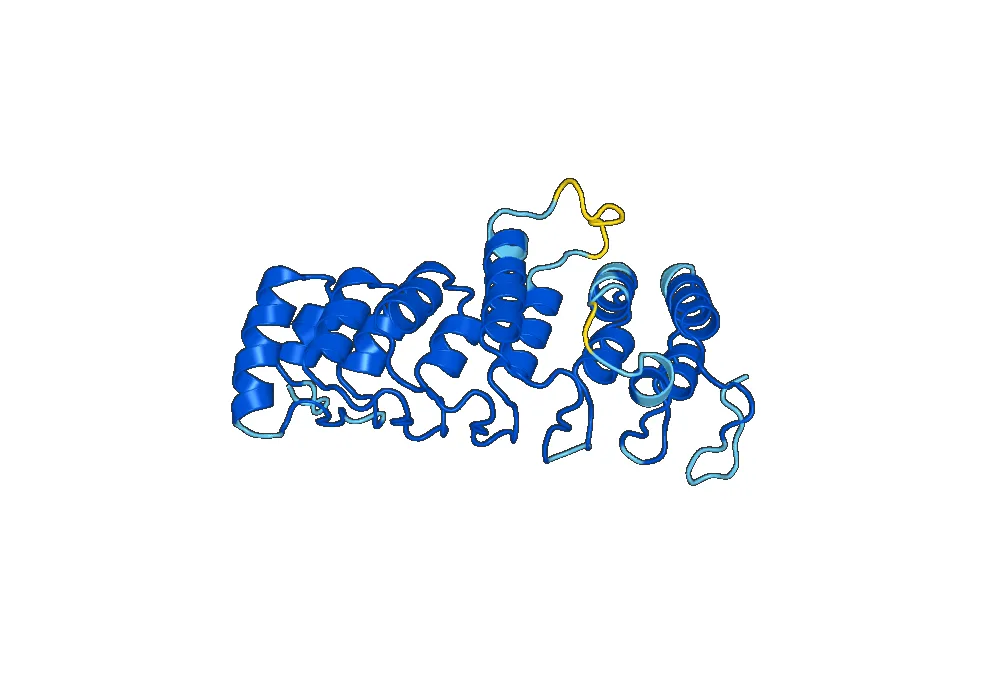
NFKBID, also known as IκBNS, is a 47 kDa protein that is encoded by the NFKBID gene located on chromosome 19. It consists of 430 amino acids and contains several structural domains, including an N-terminal Rel homology domain (RHD) and a C-terminal ankyrin repeat domain (ARD). The RHD is responsible for DNA binding, while the ARD mediates protein-protein interactions with other NF-κB family members.
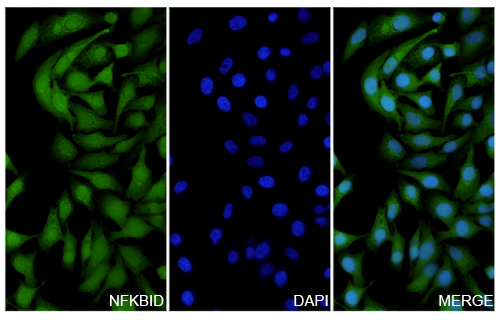
In its inactive state, NFKBID binds to the NF-κB subunit p65, preventing its translocation into the nucleus. However, upon activation by various stimuli such as cytokines, pathogens, or stress, NFKBID is phosphorylated and degraded, allowing p65 to enter the nucleus and activate the transcription of target genes involved in immune and inflammatory responses.
Recombinant Human NFKBID: Role in Immune Response:
NF-κB signaling plays a crucial role in the regulation of immune and inflammatory responses. NFKBID, as a member of this family, has been shown to modulate the activity of other NF-κB subunits, such as p65 and p50, and regulate the expression of pro-inflammatory cytokines, chemokines, and adhesion molecules.
Studies have also demonstrated that NFKBID is involved in the differentiation and function of various immune cells, including B cells, T cells, and dendritic cells. It has been shown to promote T cell survival and regulate B cell proliferation and antibody production. Additionally, NFKBID has been implicated in the regulation of immune tolerance and autoimmune diseases.
Recombinant Human NFKBID: Potential Therapeutic Applications:
Given its crucial role in immune regulation, NFKBID has emerged as a potential therapeutic target for various inflammatory and autoimmune diseases. Recombinant Human NFKBID has been used in pre-clinical studies to investigate its therapeutic potential in conditions such as rheumatoid arthritis, multiple sclerosis, and inflammatory bowel disease.
Moreover, recombinant NFKBID has also been utilized in the development of novel immunotherapies. For instance, a recent study demonstrated that NFKBID can enhance the anti-tumor activity of chimeric antigen receptor (CAR) T cells by promoting their expansion and persistence.
Conclusion:
In summary, Recombinant Human NFKBID is a key player in the regulation of immune and inflammatory responses. Its structure and function make it an attractive target for the development of therapeutics for various diseases. With ongoing research, the potential applications of recombinant NFKBID are likely to expand, providing further insights into its role in health and disease.

There are no reviews yet.