Introduction
Recombinant human CLN3 protein, also known as ceroid-lipofuscinosis, neuronal 3 protein, is a crucial protein involved in lysosomal function. It is encoded by the CLN3 gene and is expressed in various tissues, including the brain, heart, and skeletal muscle. In this article, we will explore the structure, activity, and application of recombinant human CLN3 protein.
Structure of Recombinant Human CLN3 Protein
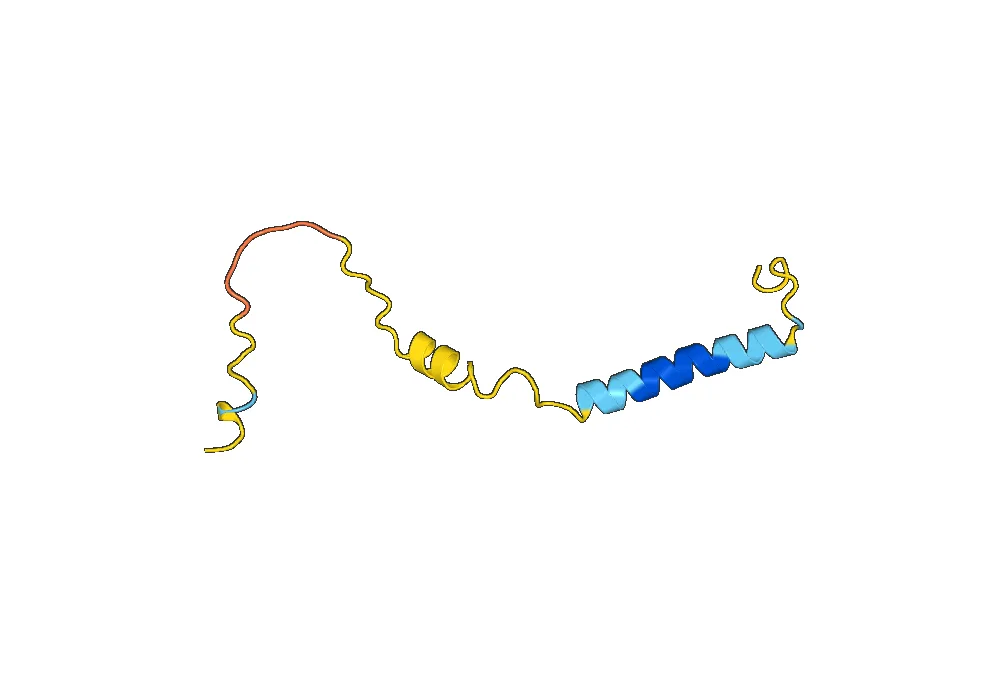
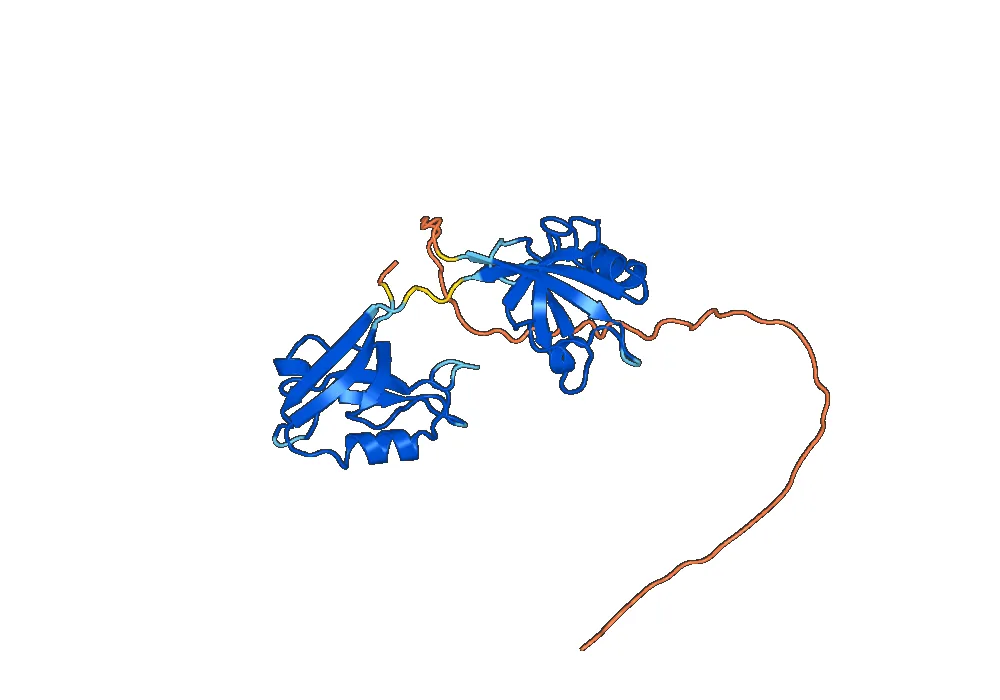
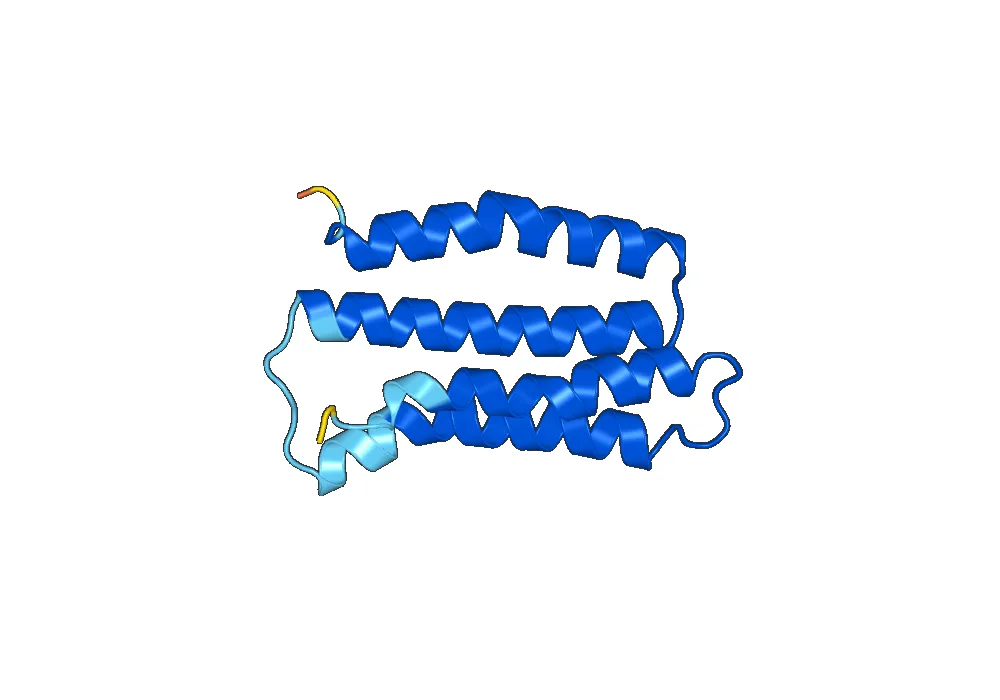
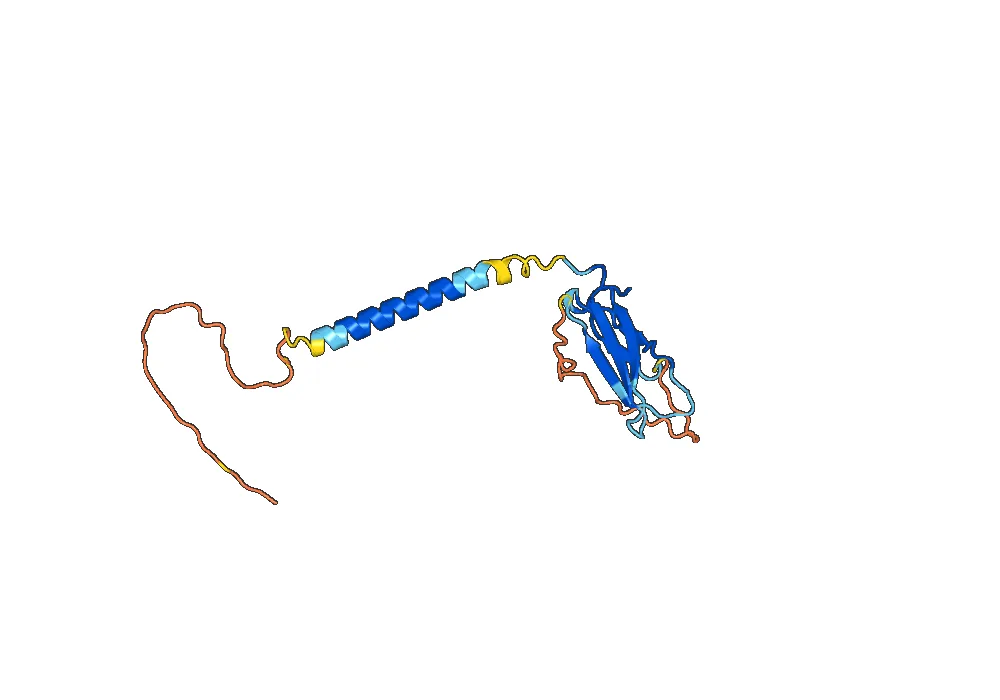
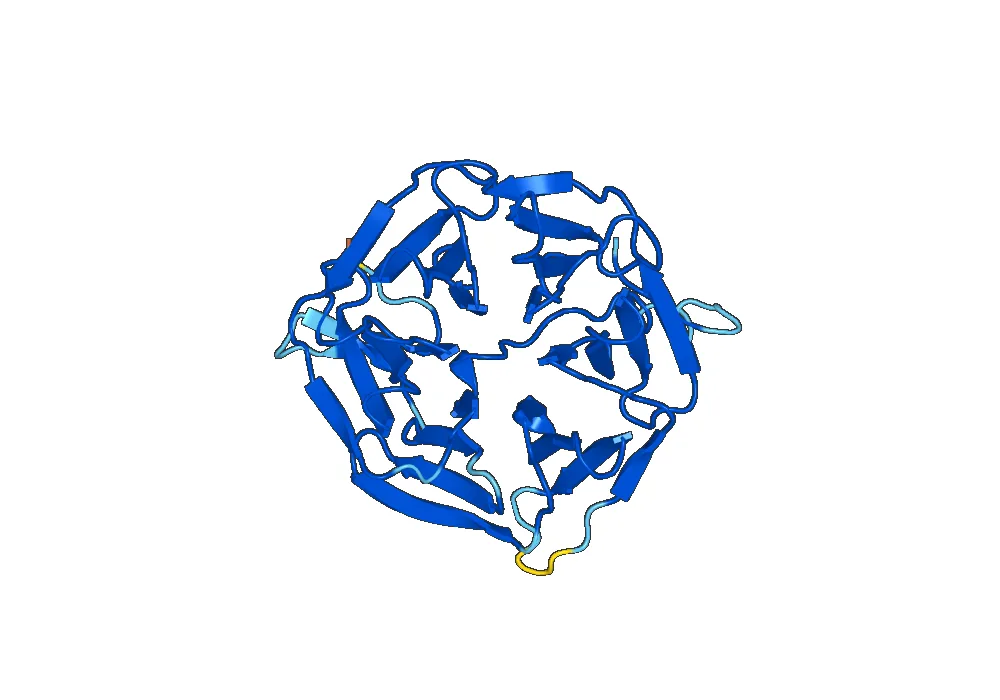
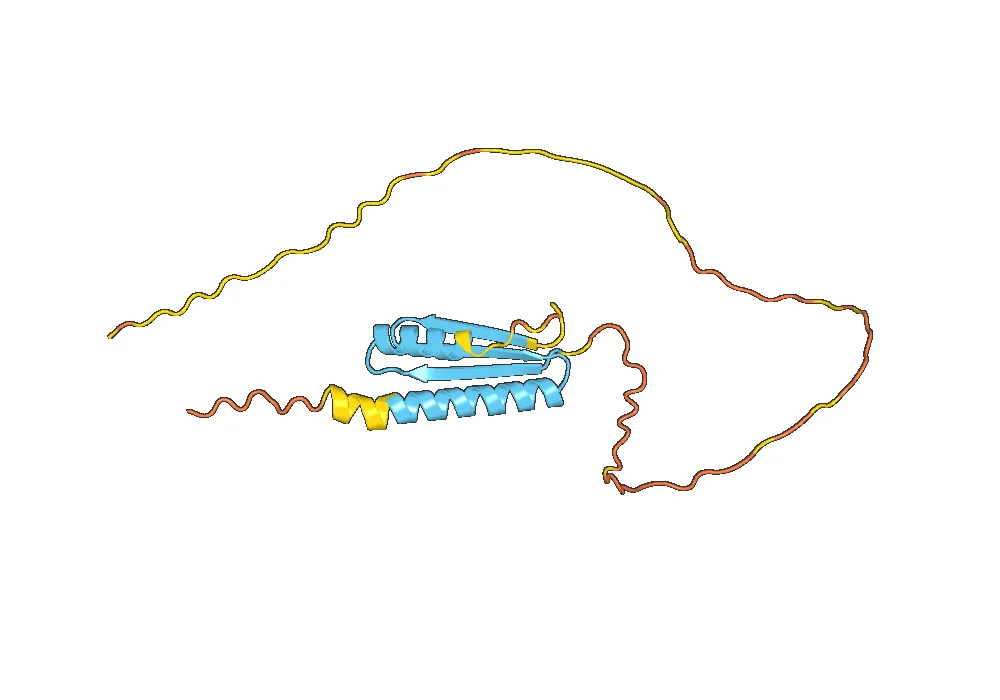
The recombinant human CLN3 protein is a transmembrane protein consisting of 438 amino acids. It has a molecular weight of approximately 48 kDa and is composed of six transmembrane domains, a cytoplasmic N-terminus, and a luminal C-terminus. The protein also contains two conserved motifs, the lysosomal targeting motif and the di-leucine motif, which are essential for its function.
Activity of Recombinant Human CLN3 Protein
The primary function of recombinant human CLN3 protein is to regulate lysosomal function. It is involved in the transport of lysosomal enzymes and the maintenance of lysosomal pH. The protein also plays a crucial role in the clearance of cellular debris and waste products, preventing the accumulation of lipofuscin, a hallmark of ceroid-lipofuscinosis diseases.
Moreover, recombinant human CLN3 protein has been shown to interact with other proteins, such as the lysosomal membrane protein LAMP1 and the endoplasmic reticulum protein VAPB. These interactions contribute to the proper functioning of lysosomes and the maintenance of cellular homeostasis.
Application of Recombinant Human CLN3 Protein
The recombinant human CLN3 protein has various applications in both research and clinical settings. One of its main uses is in the study of ceroid-lipofuscinosis diseases, such as juvenile Batten disease, which is caused by mutations in the CLN3 gene. Recombinant human CLN3 protein can be used to study the effects of these mutations and potentially develop therapeutic strategies.
Furthermore, recombinant human CLN3 protein has been used in drug screening assays to identify potential treatments for lysosomal storage disorders. It has also been utilized in the development of gene therapy approaches for ceroid-lipofuscinosis diseases.
Additionally, recombinant human CLN3 protein has been used as an antigen in antibody production for diagnostic and research purposes. Antibodies against CLN3 can be used to detect the protein in tissues and cells, aiding in the study of its expression and localization.
Conclusion
In summary, recombinant human CLN3 protein is a vital protein involved in lysosomal function and maintenance of cellular homeostasis. Its structure, activity, and application have been extensively studied and continue to be a focus of research in the field of lysosomal storage disorders. With further research and development, recombinant human CLN3 protein may hold the key to potential treatments for ceroid-lipofuscinosis diseases.

There are no reviews yet.