Introduction
Recombinant Human CTPS2 Protein, also known as CTP synthetase 2, is a key enzyme involved in the synthesis of CTP (cytidine triphosphate), an essential nucleotide for DNA and RNA synthesis. This protein is encoded by the CTPS2 gene and is highly conserved across species, with 96% similarity between human and mouse CTPS2 proteins. Recombinant Human CTPS2 Protein is produced through recombinant DNA technology and has numerous applications in scientific research and drug development.
Structure of Recombinant Human CTPS2 Protein
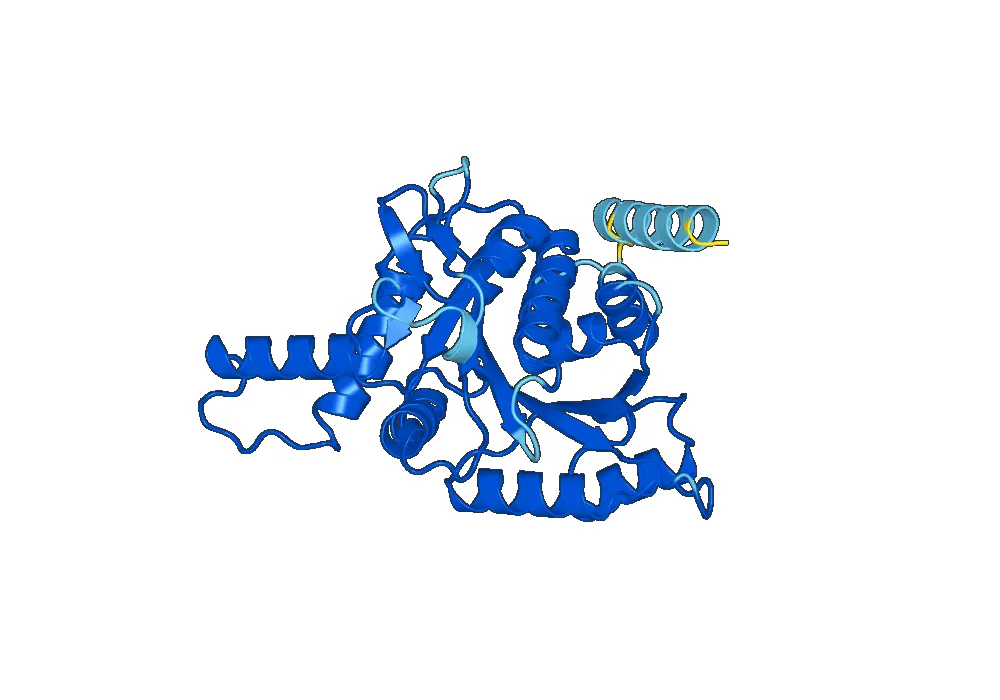
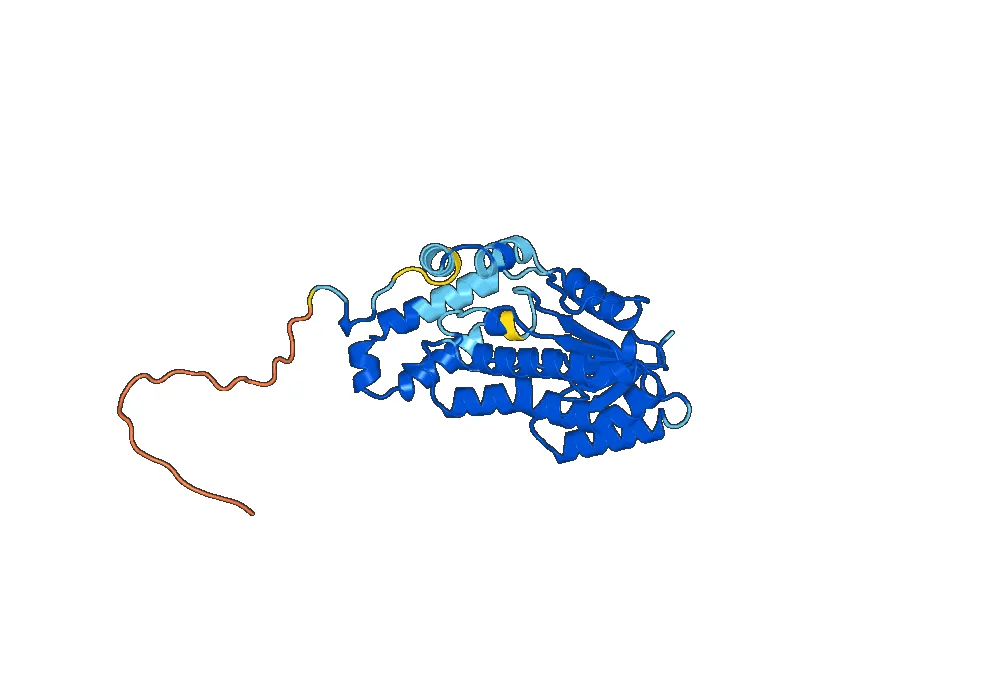
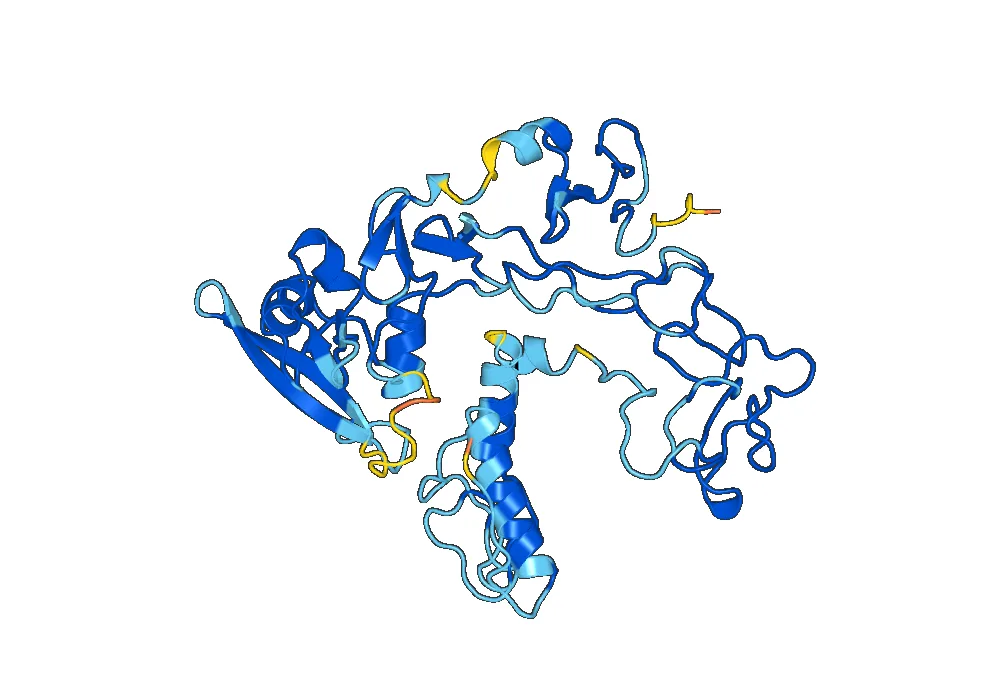
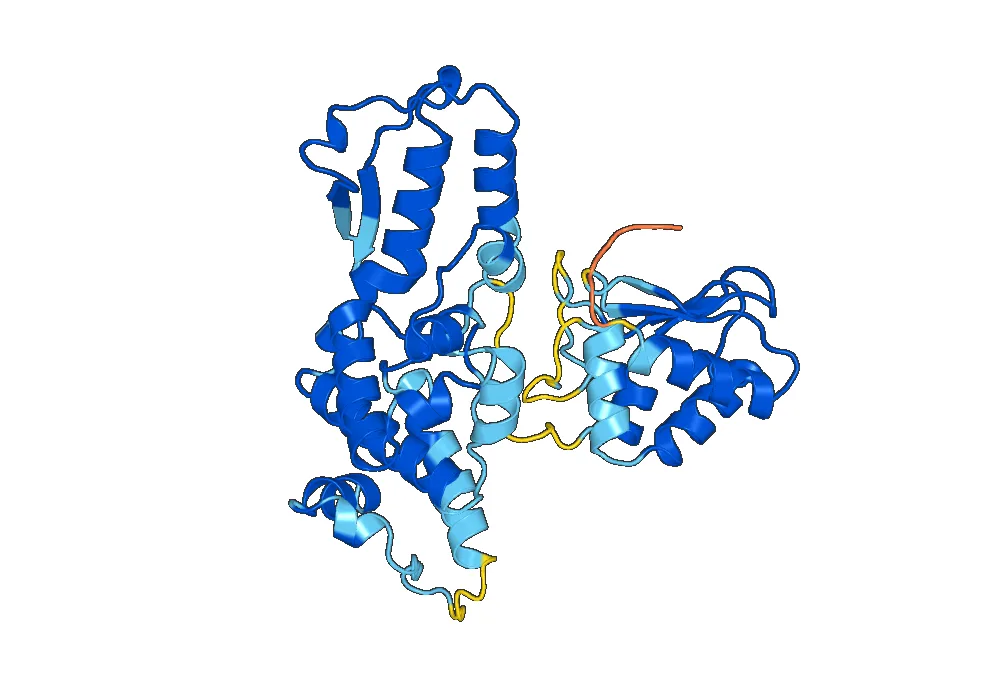
The recombinant form of CTPS2 protein is a homotetramer, meaning it is composed of four identical subunits. Each subunit consists of 593 amino acids and has a molecular weight of approximately 66 kDa. The primary structure of CTPS2 protein is highly conserved, with the majority of variations occurring in the N-terminal region. The protein also contains several functional domains, including an ATP binding site, a glutamine amidotransferase (GAT) domain, and a CTP synthetase domain.
Activity of Recombinant Human CTPS2 Protein
The main function of CTPS2 protein is to catalyze the conversion of UTP (uridine triphosphate) and glutamine to CTP and glutamate, respectively. This reaction is essential for the production of CTP, which is an important nucleotide for DNA and RNA synthesis. CTPS2 protein is also involved in regulating the cellular levels of CTP, which is crucial for maintaining proper cell growth and proliferation.
In addition to its role in nucleotide synthesis, CTPS2 protein has been found to have other functions in the cell. Studies have shown that CTPS2 is involved in the regulation of cell cycle progression and apoptosis. It has also been linked to the development and progression of certain types of cancer, making it a potential target for cancer therapy.
Application of Recombinant Human CTPS2 Protein
Recombinant Human CTPS2 Protein has a wide range of applications in scientific research and drug development. One of the main uses of this protein is in the study of nucleotide metabolism and its role in various cellular processes. Researchers can use recombinant CTPS2 protein to investigate the effects of CTPS2 on cell growth, proliferation, and apoptosis.
Another important application of recombinant CTPS2 protein is in drug discovery and development. As CTPS2 has been implicated in cancer development, targeting this protein could potentially lead to the development of new anti-cancer drugs. Recombinant CTPS2 protein can be used in high-throughput screening assays to identify compounds that inhibit its activity, which can then be further developed into potential drug candidates.
Furthermore, recombinant CTPS2 protein has been used in the production of vaccines. CTPS2 has been identified as an antigen in certain types of cancer, and recombinant CTPS2 protein can be used to stimulate an immune response against cancer cells. This approach has shown promising results in preclinical studies and could potentially lead to the development of new cancer vaccines.
Conclusion
In summary, Recombinant Human CTPS2 Protein is a key enzyme involved in nucleotide synthesis and has multiple functions in the cell. Its highly conserved structure and important role in cellular processes make it a valuable tool for scientific research and drug development. With its diverse applications, recombinant CTPS2 protein has the potential to contribute to advancements in various fields, including cancer therapy and vaccine development.

There are no reviews yet.