Introduction to Recombinant Human CYP46A1 Protein
Recombinant Human CYP46A1 Protein is a vital enzyme involved in cholesterol metabolism. This protein is a key player in the conversion of cholesterol into 24S-hydroxycholesterol, which is a form of cholesterol that can easily cross the blood-brain barrier and be eliminated from the central nervous system. The gene encoding this protein is located on chromosome 14 and mutations in this gene have been linked to various neurological disorders, making this protein a potential target for therapeutic interventions.
Structure of Recombinant Human CYP46A1 Protein
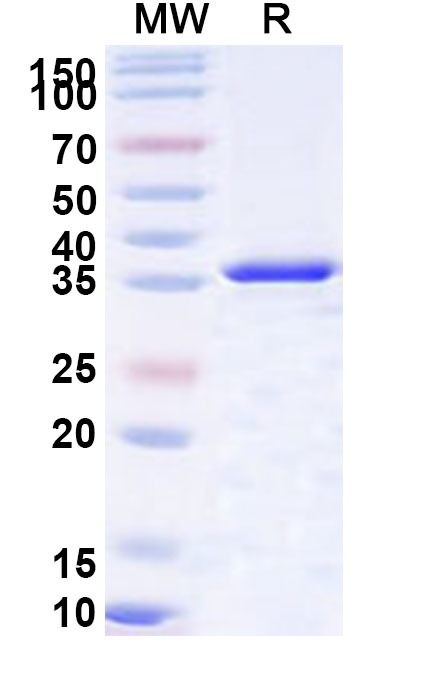
The recombinant form of CYP46A1 protein is produced through genetic engineering techniques in a laboratory setting. This allows for the production of large quantities of the protein in a controlled and reproducible manner. The protein is composed of 503 amino acids and has a molecular weight of approximately 57 kDa. It belongs to the cytochrome P450 superfamily and contains a heme prosthetic group, which is essential for its catalytic activity.
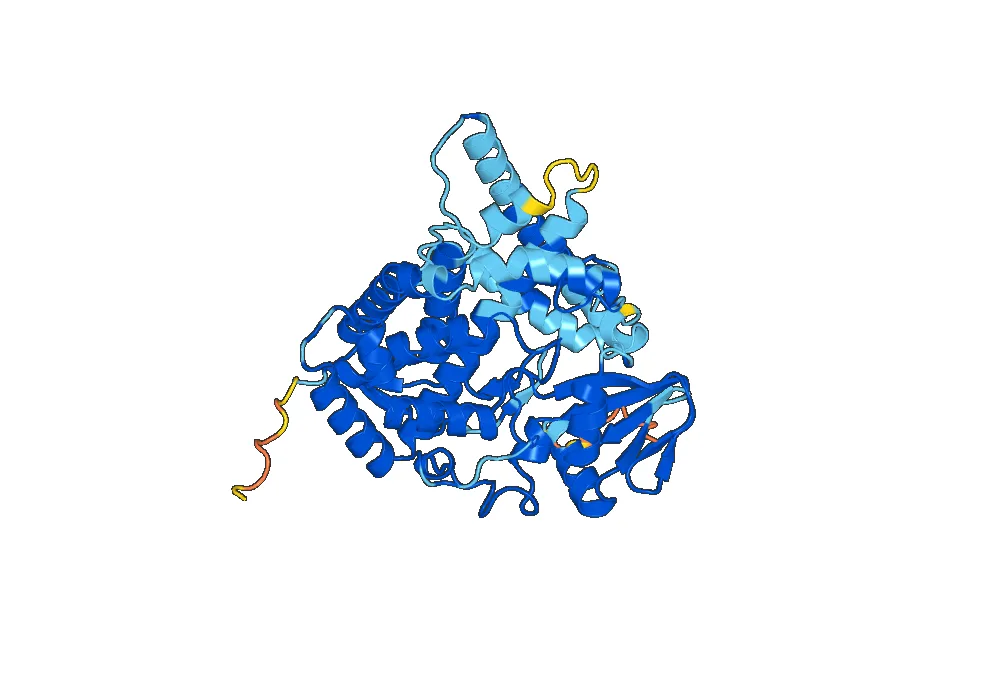
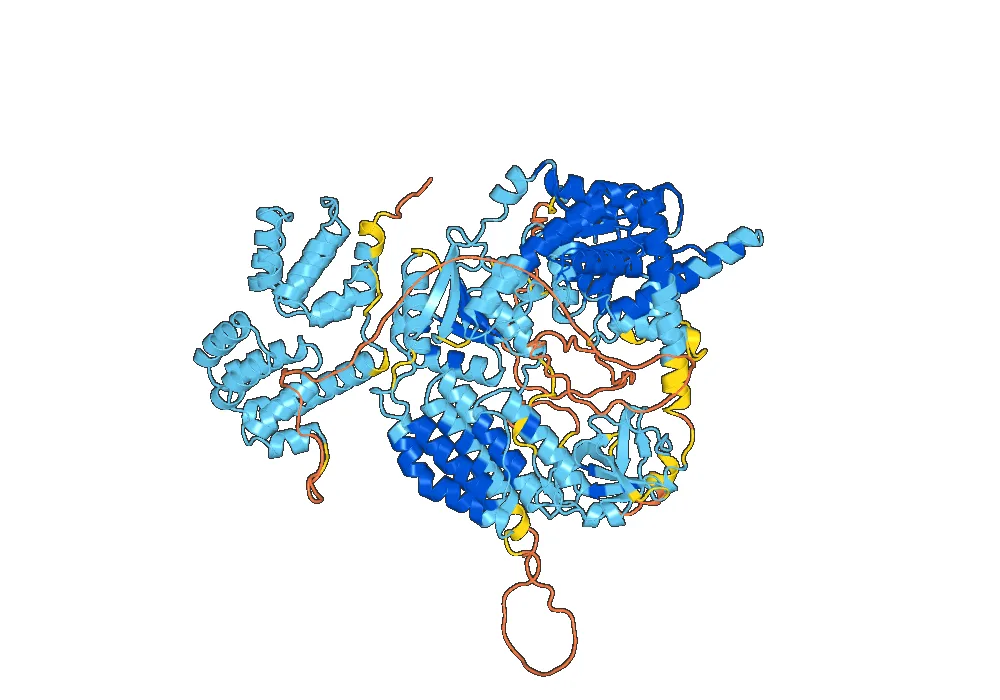
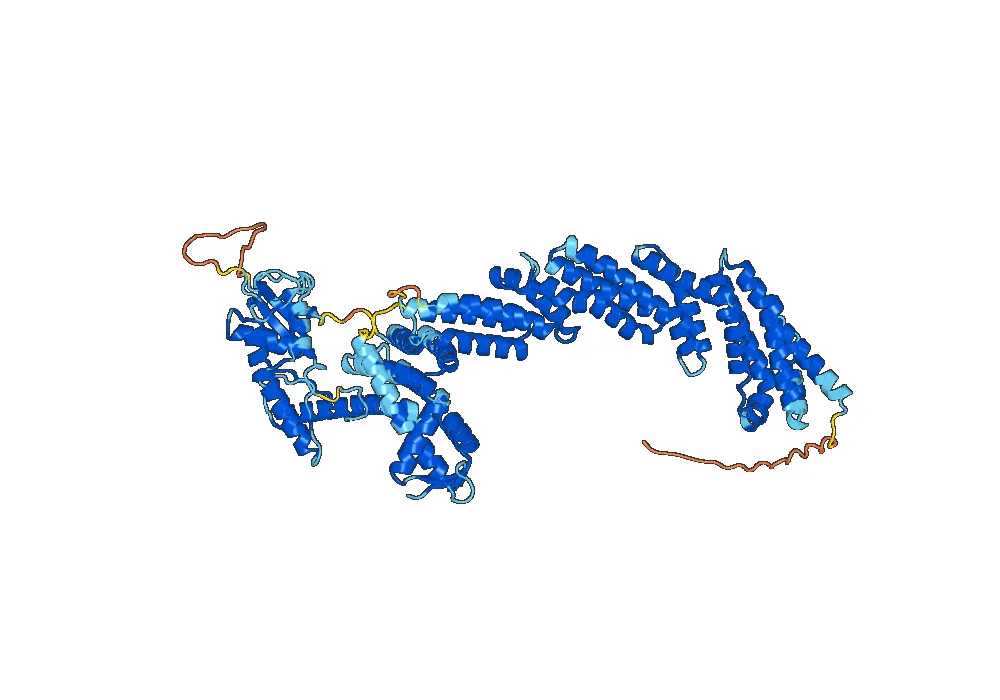
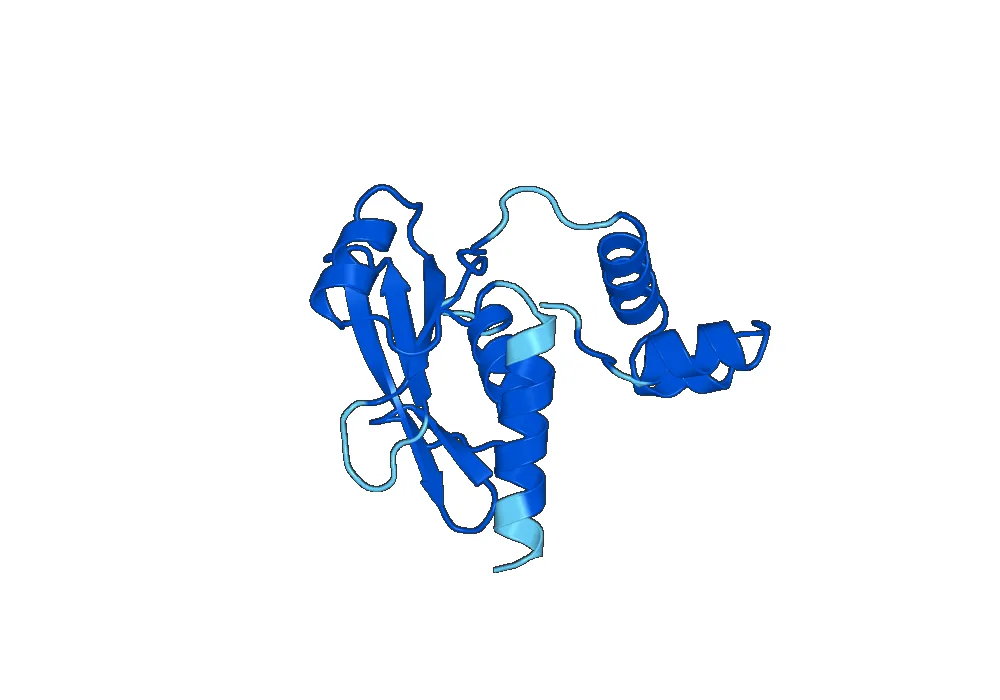
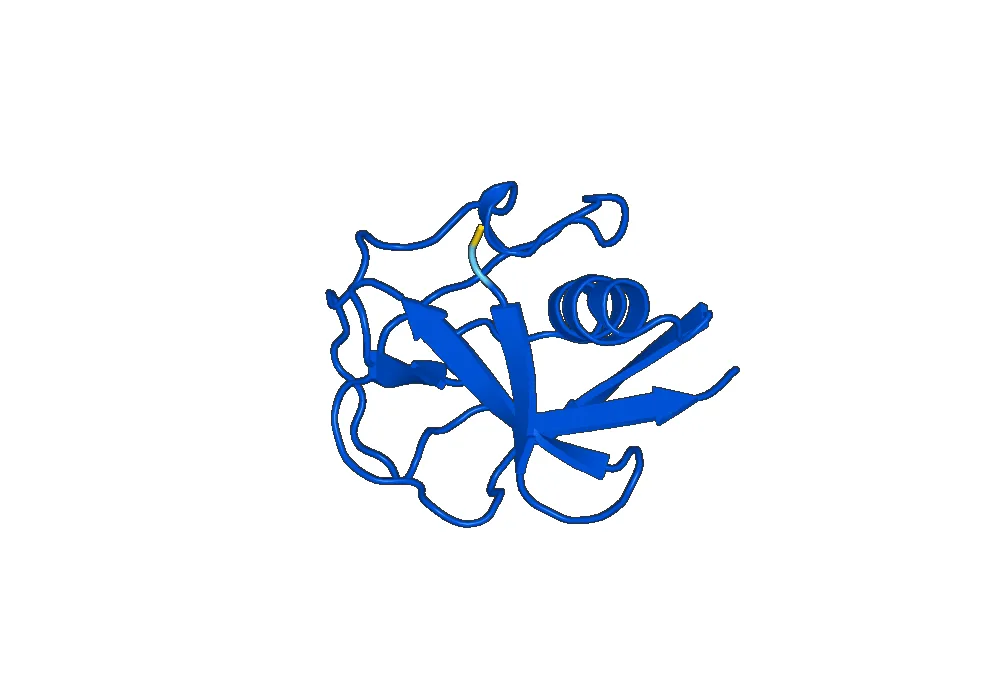
The three-dimensional structure of recombinant human CYP46A1 protein has been determined through X-ray crystallography. It consists of a single polypeptide chain folded into a compact structure with multiple alpha-helices and beta-sheets. The active site of the protein is located in a cavity formed by these secondary structures, allowing for efficient binding and catalysis of its substrate.
Activity of Recombinant Human CYP46A1 Protein
The primary function of recombinant human CYP46A1 protein is to catalyze the conversion of cholesterol into 24S-hydroxycholesterol. This reaction takes place in the endoplasmic reticulum of cells, particularly in the brain and liver. The enzyme uses molecular oxygen and NADPH as co-substrates to carry out the oxidation of cholesterol at the C24 position, resulting in the formation of 24S-hydroxycholesterol.
In addition to its role in cholesterol metabolism, recombinant human CYP46A1 protein has been found to have other enzymatic activities. It has been shown to metabolize other sterols such as 25-hydroxycholesterol and 27-hydroxycholesterol, as well as certain drugs and environmental toxins. This suggests that this protein may have a broader role in the detoxification of foreign compounds in the body.
Applications of Recombinant Human CYP46A1 Protein
The production of recombinant human CYP46A1 protein has opened up new opportunities for research and drug development. One of the main applications of this protein is in the study of cholesterol metabolism and its role in neurological disorders. Mutations in the CYP46A1 gene have been linked to Alzheimer’s disease, Parkinson’s disease, and other neurodegenerative disorders. By studying the activity and regulation of this protein, scientists hope to gain a better understanding of these diseases and potentially develop new treatments.
Another potential application of recombinant human CYP46A1 protein is in drug discovery and development. As mentioned earlier, this protein has been found to metabolize various drugs and environmental toxins. By studying its activity and substrate specificity, researchers can identify potential drug interactions and develop more effective and safer medications.
Conclusion
In summary, recombinant human CYP46A1 protein is a crucial enzyme involved in cholesterol metabolism and has potential implications in various neurological disorders. Its production through genetic engineering has allowed for a better understanding of its structure and function, as well as opened up new avenues for research and drug development. Further studies on this protein may lead to a better understanding of cholesterol metabolism and the development of new treatments for neurological diseases.


There are no reviews yet.