Introduction
Recombinant proteins have become essential tools in various fields of research and medicine due to their ability to mimic naturally occurring proteins and perform specific functions. One such protein is the Recombinant Human DTX4 Protein, which has gained significant attention in recent years for its diverse applications in immunology, cancer research, and drug development. In this article, we will delve into the structure, activity, and application of this important protein.
Structure of Recombinant Human DTX4 Protein
The Recombinant Human DTX4 Protein is a member of the Deltex family of E3 ubiquitin ligases. It is encoded by the DTX4 gene located on chromosome 5q31.1 in humans. The protein consists of 625 amino acids and has a molecular weight of approximately 70 kDa. It contains a conserved N-terminal WWE domain, which is responsible for protein-protein interactions, and a C-terminal RING finger domain, which is essential for its E3 ubiquitin ligase activity.
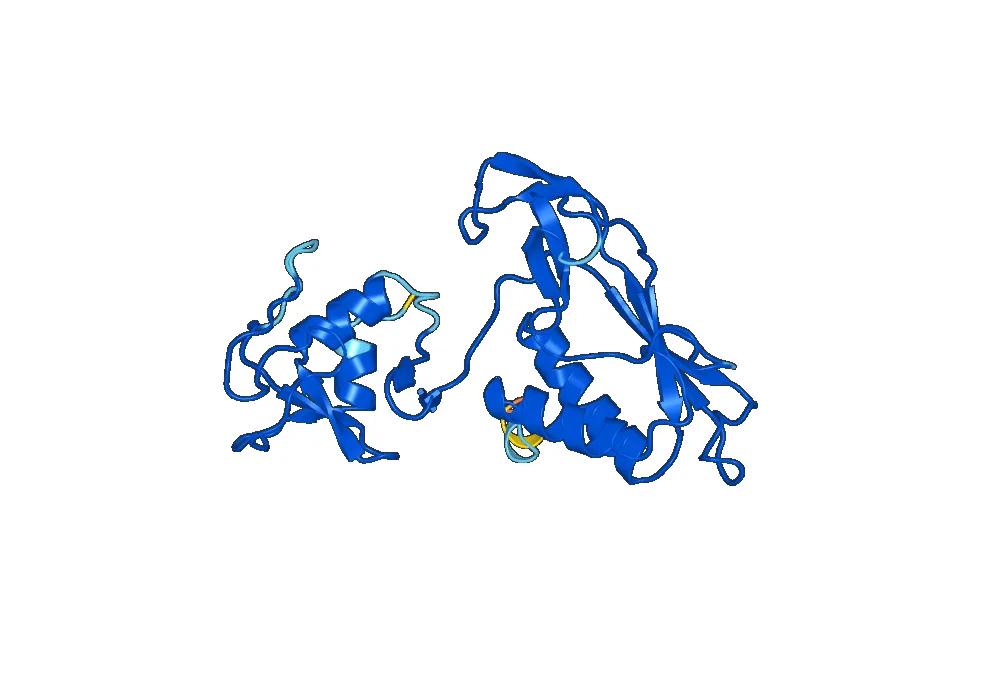
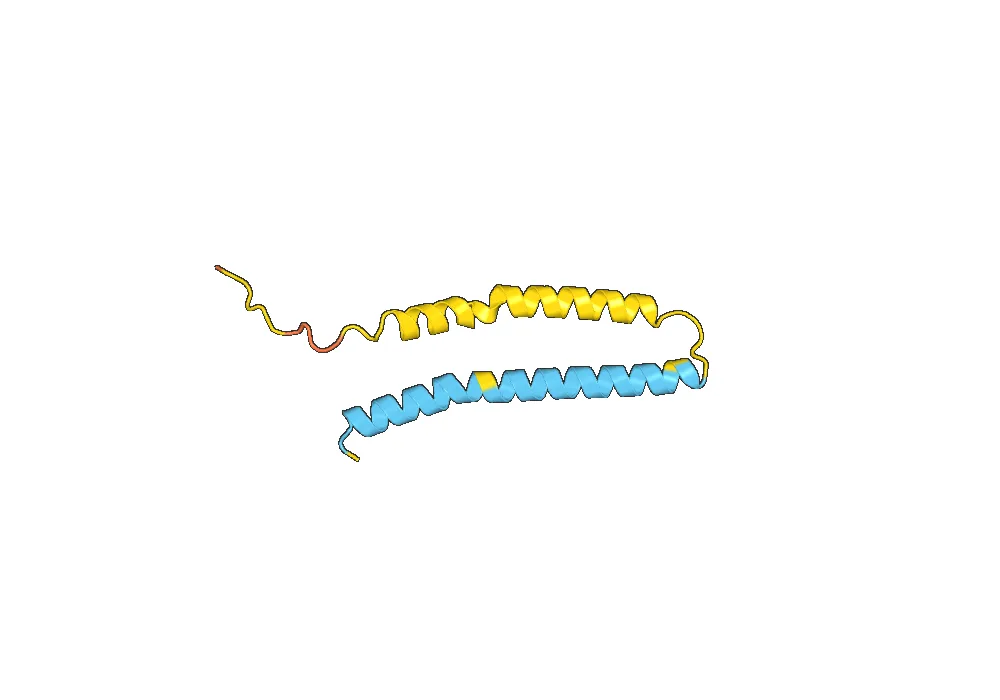
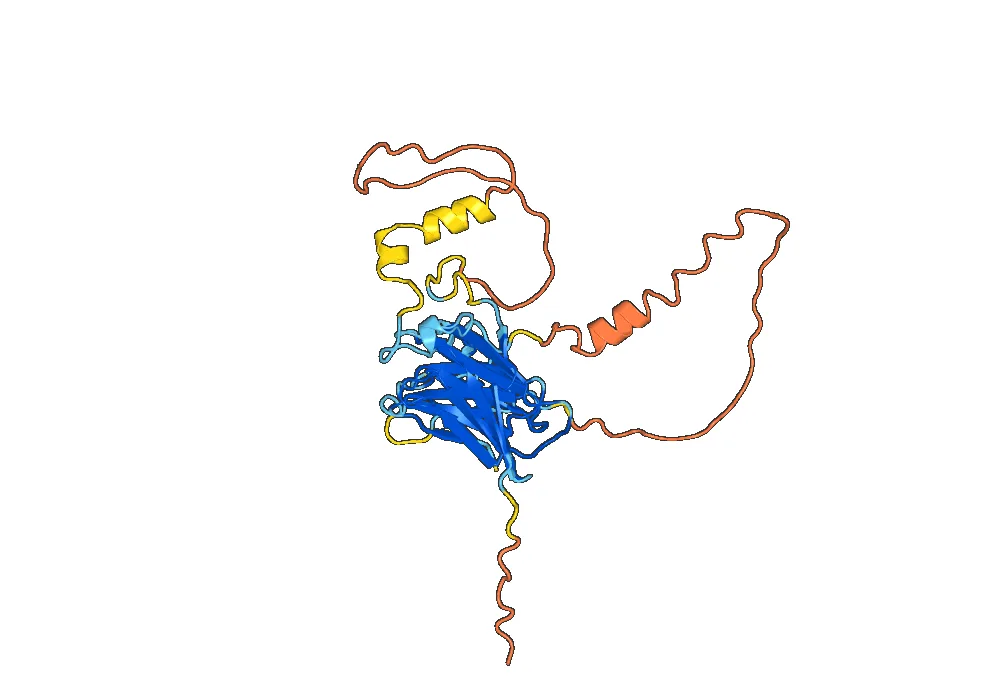
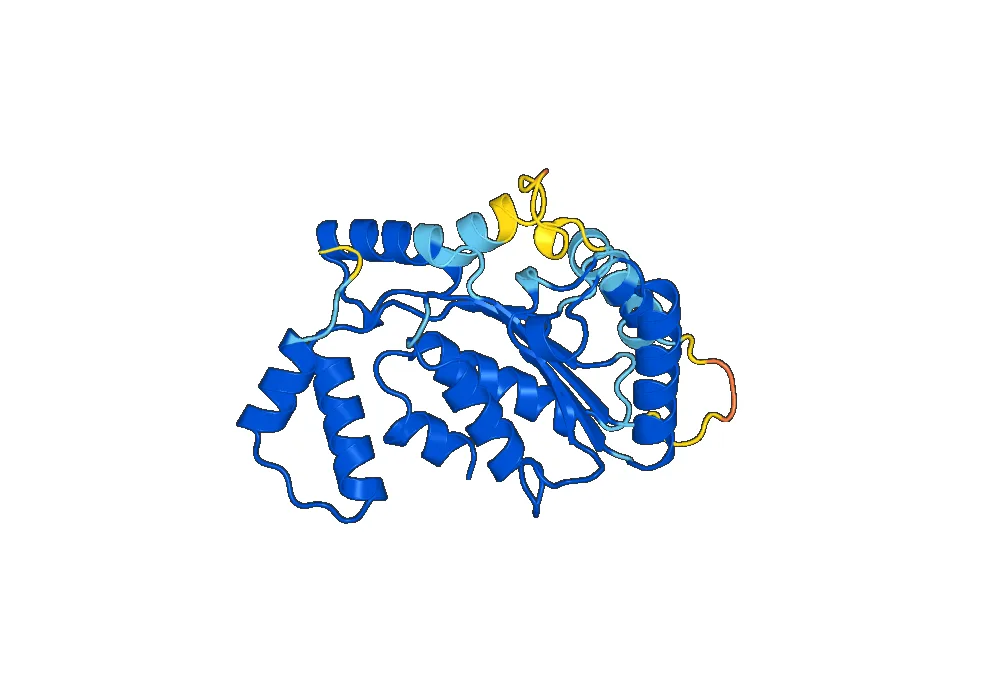
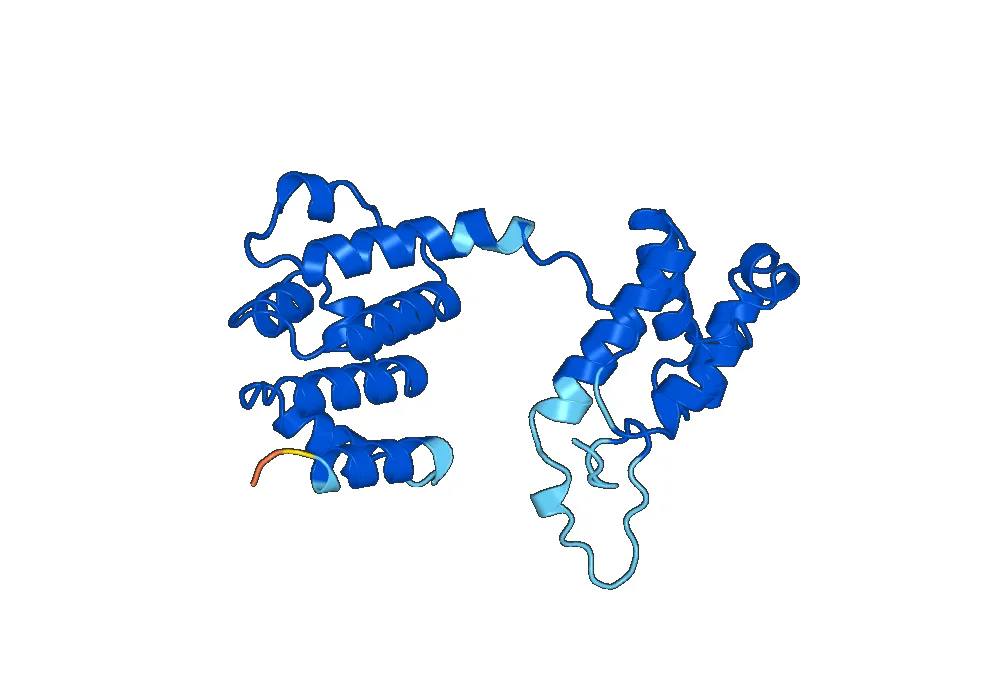
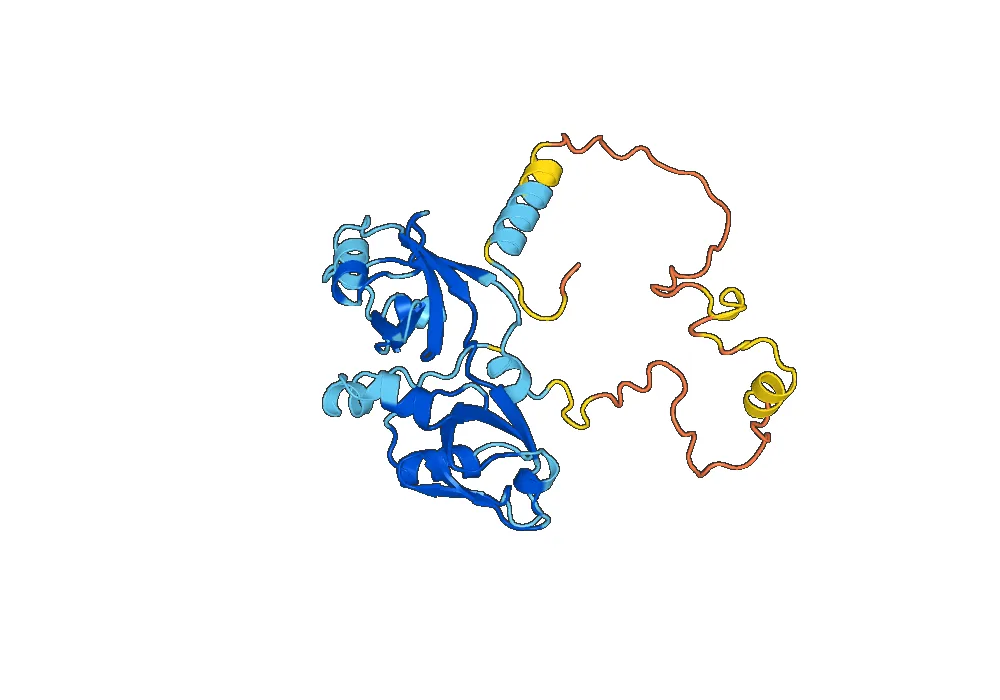
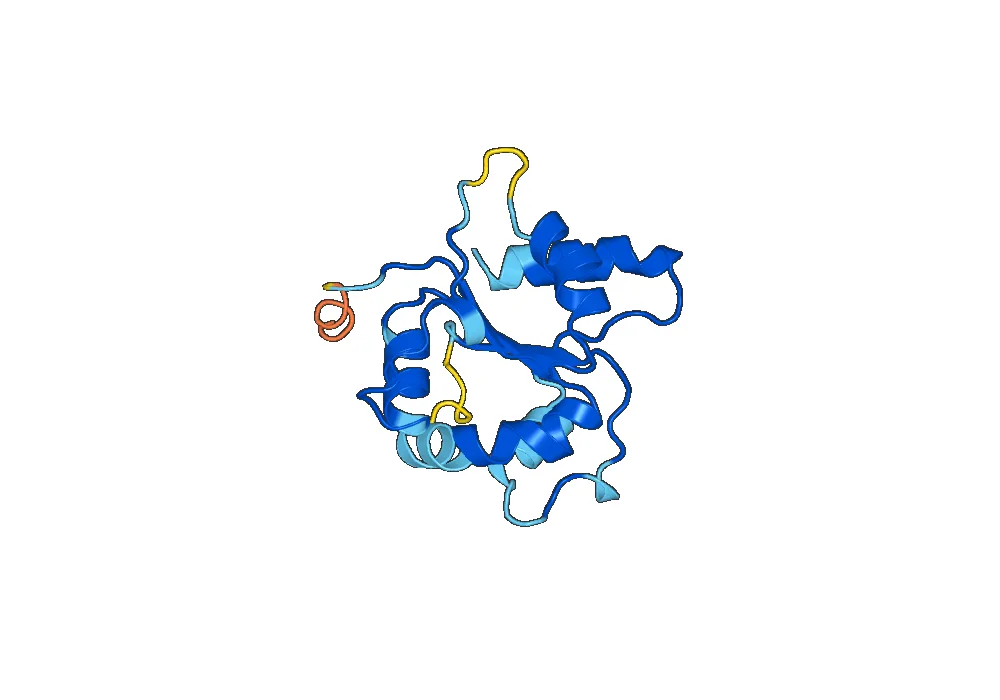
The crystal structure of Recombinant Human DTX4 Protein has been determined, revealing a compact globular structure with a central core formed by the WWE and RING finger domains. The protein also contains several flexible loops and helices, which are crucial for its function as an E3 ubiquitin ligase.
Activity of Recombinant Human DTX4 Protein
The primary function of Recombinant Human DTX4 Protein is to act as an E3 ubiquitin ligase, which is a crucial component of the ubiquitin-proteasome system. This system plays a key role in protein degradation and turnover, as well as in regulating various cellular processes, including cell cycle progression, DNA repair, and immune response.
As an E3 ubiquitin ligase, Recombinant Human DTX4 Protein binds to specific target proteins and facilitates the transfer of ubiquitin molecules to these proteins. This process marks the target proteins for degradation by the proteasome, thus regulating their abundance and activity. Recombinant Human DTX4 Protein has been shown to target several proteins involved in immune signaling, such as Notch receptors, Toll-like receptors, and NF-κB signaling proteins.
Application of Recombinant Human DTX4 Protein
Recombinant Human DTX4 Protein has been widely used in various research fields, including immunology, cancer biology, and drug development. Its ability to regulate immune signaling pathways has made it a valuable tool in studying the immune response and developing immunotherapies.
In cancer research, Recombinant Human DTX4 Protein has been shown to play a role in tumor growth and metastasis by regulating the activity of Notch signaling, which is known to be dysregulated in many types of cancer. Additionally, its E3 ubiquitin ligase activity has been targeted for the development of novel cancer therapeutics.
Furthermore, Recombinant Human DTX4 Protein has been used in drug discovery and development as a potential drug target or as a tool for screening potential drug candidates. Its role in regulating immune signaling makes it a promising target for the development of immunomodulatory drugs for various diseases.
Conclusion
In summary, Recombinant Human DTX4 Protein is a crucial protein with a well-defined structure and activity. Its role as an E3 ubiquitin ligase and its involvement in regulating immune signaling pathways make it an important protein in various fields of research and medicine. With its diverse applications and potential as a drug target, Recombinant Human DTX4 Protein continues to be a subject of interest for scientists and researchers.


There are no reviews yet.