Introduction to Recombinant Human E2F4 Protein
Recombinant proteins are proteins that are produced in a laboratory setting using recombinant DNA technology. This technology allows for the manipulation and production of specific proteins with desired characteristics. One such recombinant protein is the Recombinant Human E2F4 Protein, which has gained significant attention in the scientific community due to its structure, activity, and potential applications.
Structure of Recombinant Human E2F4 Protein
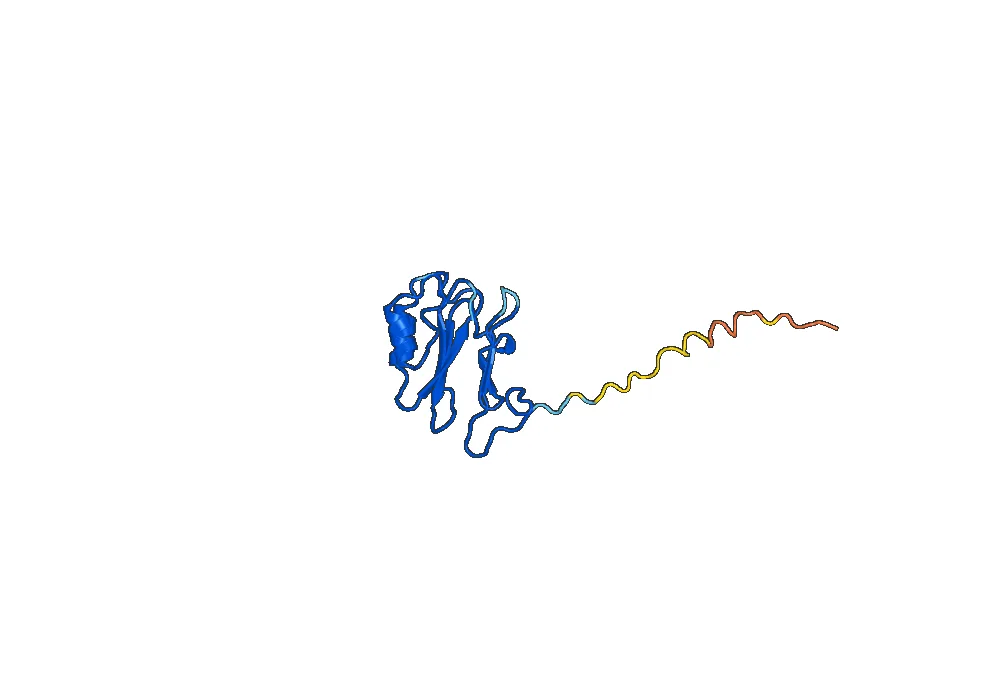
The E2F4 protein is a transcription factor that plays a crucial role in regulating cell cycle progression and cell proliferation. It is a member of the E2F family of proteins, which are known for their involvement in cell cycle control and DNA replication. The E2F4 protein is composed of 410 amino acids and has a molecular weight of approximately 45 kDa.
The recombinant human E2F4 protein is produced by cloning the human E2F4 gene into an expression vector and then expressing it in a suitable host organism, such as E. coli or mammalian cells. This allows for the production of large quantities of the protein in a pure form. The recombinant protein retains the same amino acid sequence and structure as the native E2F4 protein, making it a biologically active and reliable tool for research and applications.
Activity of Recombinant Human E2F4 Protein
The E2F4 protein is a transcription factor that regulates the expression of genes involved in cell cycle progression and cell proliferation. It does so by binding to specific DNA sequences, known as E2F binding sites, and recruiting other proteins to form a transcriptional complex. This complex either activates or represses the expression of target genes, depending on the cellular context.
Recombinant human E2F4 protein has been shown to exhibit similar activity to the native protein in regulating cell cycle progression and cell proliferation. It has been used in various in vitro and in vivo studies to investigate the role of E2F4 in different cellular processes, such as cell cycle control, DNA damage response, and apoptosis. Additionally, the recombinant protein has been used to identify and characterize E2F4 binding sites in the genome, providing valuable insights into its regulatory function.
Applications of Recombinant Human E2F4 Protein
The recombinant human E2F4 protein has numerous potential applications in both research and therapeutic settings. Its ability to regulate cell cycle progression and cell proliferation makes it a valuable tool for studying various diseases, such as cancer and neurodegenerative disorders. It has also been used in drug discovery and development, as targeting E2F4 activity could provide a potential treatment for these diseases.
Moreover, the recombinant protein has been utilized in the development of diagnostic assays for various diseases. For example, E2F4 has been identified as a potential biomarker for certain types of cancer, and the recombinant protein can be used to detect its expression levels in patient samples. This could aid in early detection and personalized treatment of these diseases.
In conclusion, the recombinant human E2F4 protein is a valuable and versatile tool in the field of molecular biology. Its well-defined structure, reliable activity, and potential applications make it an essential protein for both basic research and clinical applications. As our understanding of the role of E2F4 in cellular processes continues to grow, the use of recombinant E2F4 protein is likely to expand, leading to further advancements in the field of biotechnology and medicine.

There are no reviews yet.