Introduction
Recombinant Human EDB/EDB-FN Protein, also known as extra domain B or EDB-FN, is a recombinant protein that is commonly used in scientific research and medical applications. This protein is a splice variant of fibronectin, a glycoprotein that is found in the extracellular matrix of many tissues. Recombinant Human EDB/EDB-FN Protein has unique structural and functional properties that make it a valuable tool in various biological studies and clinical treatments.
Structure
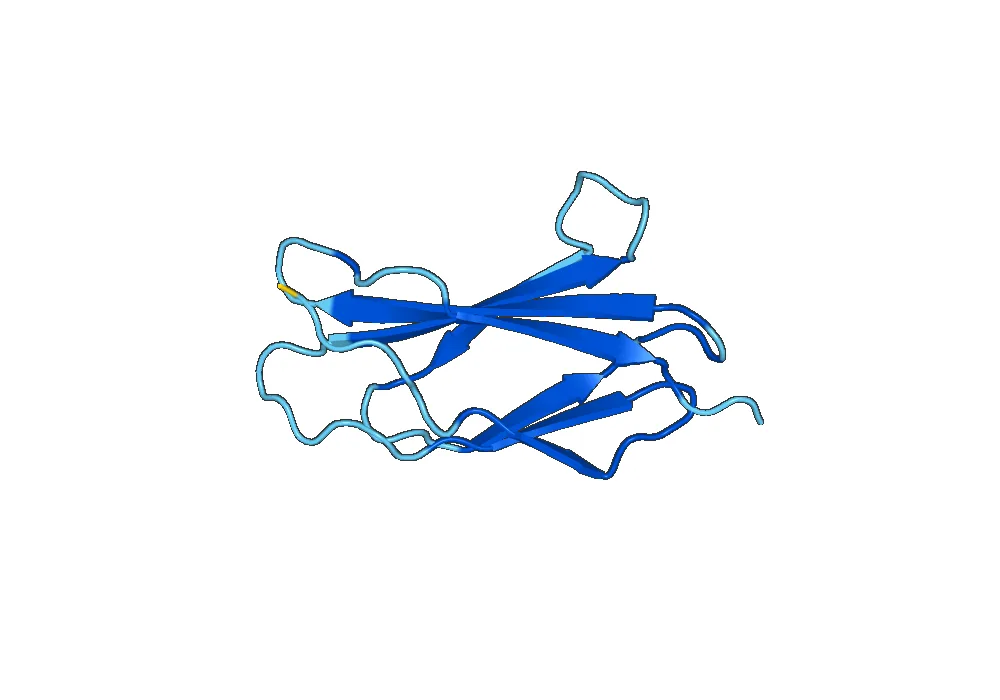
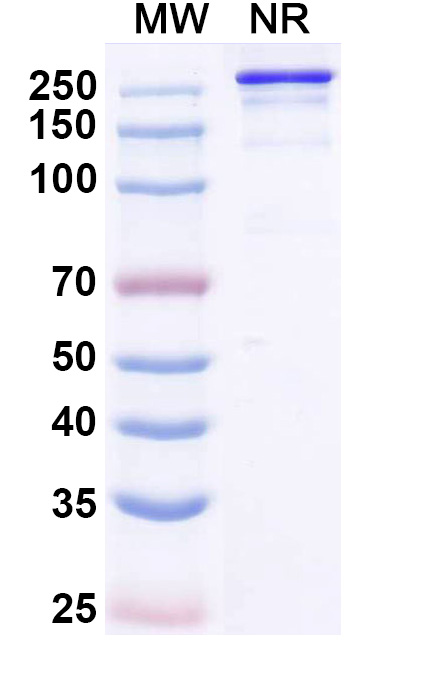
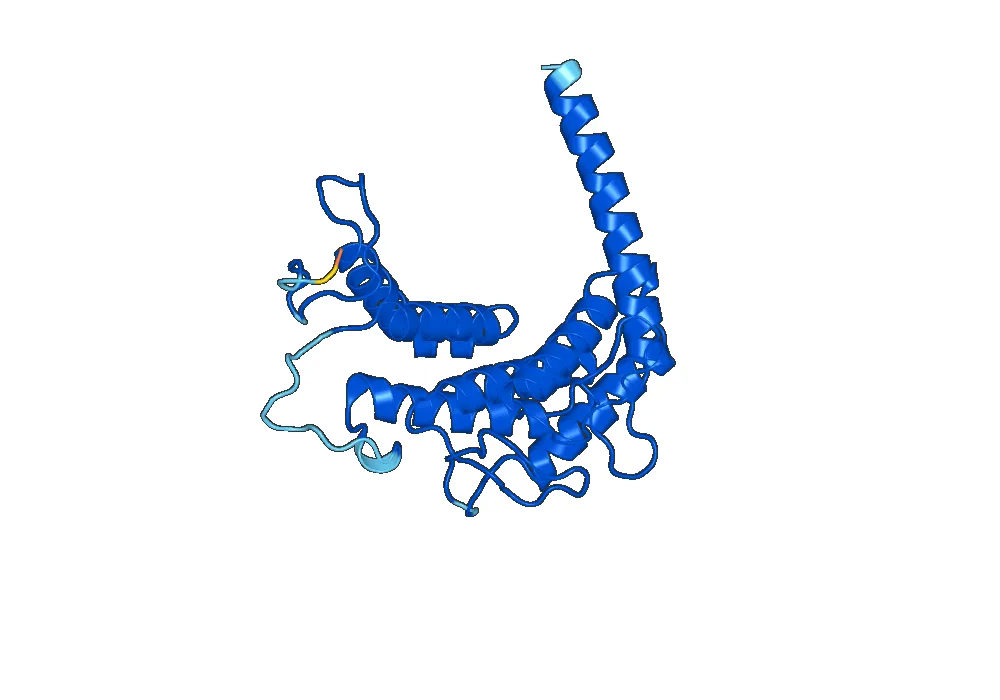
Recombinant Human EDB/EDB-FN Protein is a 25 kDa protein that is composed of 190 amino acids. It contains an extra domain, called the EDB domain, which is not present in the normal fibronectin protein. This extra domain is formed by the alternative splicing of the fibronectin gene, resulting in the insertion of an additional 91 amino acids into the protein sequence. The EDB domain is highly conserved among different species, indicating its importance in biological processes.
The EDB domain in Recombinant Human EDB/EDB-FN Protein is characterized by the presence of multiple disulfide bonds, which contribute to its stable and compact structure. This domain also contains several binding sites for different molecules, including integrins and growth factors. These binding sites play a crucial role in the interaction of Recombinant Human EDB/EDB-FN Protein with other proteins and cells.
Activity
Recombinant Human EDB/EDB-FN Protein has been shown to have various biological activities, including cell adhesion, migration, and proliferation. This protein interacts with integrins, a family of cell surface receptors, to promote cell adhesion and spreading. The EDB domain in Recombinant Human EDB/EDB-FN Protein has been found to specifically bind to integrins α4β1 and α9β1, which are involved in the regulation of cell migration and angiogenesis.
In addition to its role in cell adhesion, Recombinant Human EDB/EDB-FN Protein also plays a crucial role in cell migration. This protein has been shown to enhance the migration of endothelial cells, which is important for the formation of new blood vessels during wound healing and tissue repair. The EDB domain in Recombinant Human EDB/EDB-FN Protein is responsible for this activity, as it interacts with growth factors and chemokines to promote cell migration.
Moreover, Recombinant Human EDB/EDB-FN Protein has been found to stimulate cell proliferation in various cell types, including endothelial cells, fibroblasts, and smooth muscle cells. This protein binds to integrins and growth factors, leading to the activation of signaling pathways that promote cell growth and division. This activity of Recombinant Human EDB/EDB-FN Protein is important for tissue regeneration and repair.
Application
Recombinant Human EDB/EDB-FN Protein has a wide range of applications in scientific research and medical treatments. In research, this protein is commonly used as a tool to study cell adhesion, migration, and proliferation. Its unique properties, such as its specific binding to integrins and growth factors, make it a valuable tool in understanding the mechanisms of these biological processes.
In the medical field, Recombinant Human EDB/EDB-FN Protein has been investigated as a potential therapeutic agent for various diseases. Its ability to promote cell migration and proliferation makes it a promising candidate for tissue regeneration and wound healing. This protein has also been studied for its potential in treating cardiovascular diseases, as it can promote the formation of new blood vessels.
Furthermore, Recombinant Human EDB/EDB-FN Protein has been explored as a diagnostic and prognostic marker for cancer. The EDB domain in this protein is overexpressed in tumor tissues, making it a potential target for cancer detection and treatment. Additionally, Recombinant Human EDB/EDB-FN Protein has been used as an antigen in diagnostic tests for autoimmune
There are no reviews yet.