Introduction
Recombinant Human EHMT2 Protein, also known as euchromatic histone-lysine N-methyltransferase 2 (EHMT2), is a protein that plays a crucial role in epigenetic regulation. It is a member of the histone methyltransferase family and is involved in the methylation of lysine 9 on histone H3 (H3K9), which is associated with gene silencing and heterochromatin formation. In this article, we will discuss the structure, activity, and applications of Recombinant Human EHMT2 Protein.
Structure of Recombinant Human EHMT2 Protein
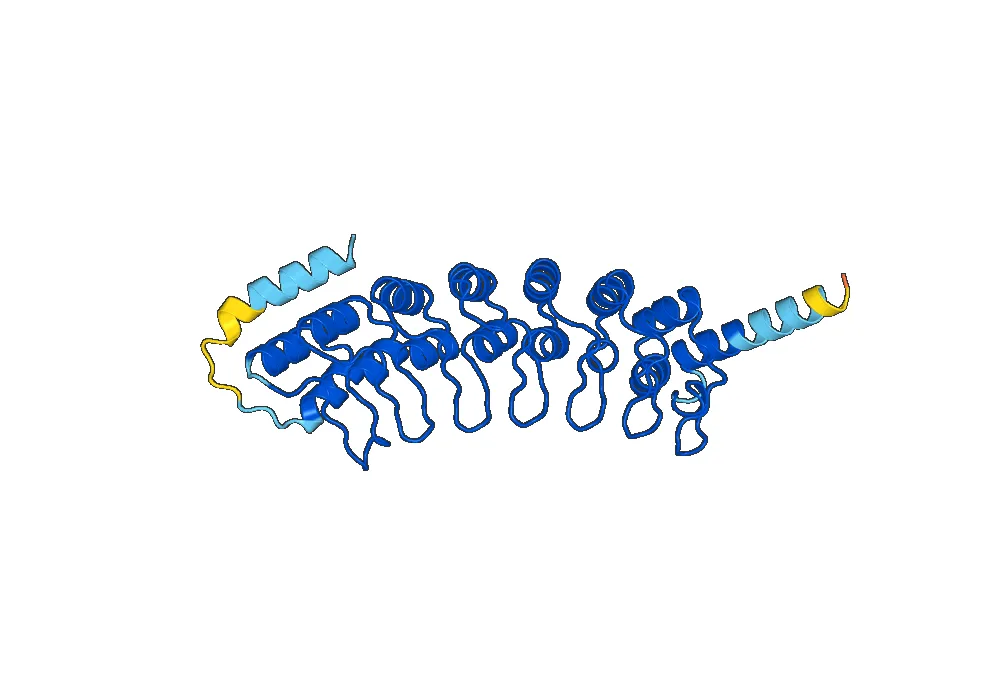
Recombinant Human EHMT2 Protein is a 1,065 amino acid protein with a molecular weight of approximately 120 kDa. It contains a catalytic SET domain, which is responsible for its histone methyltransferase activity, as well as an N-terminal ankyrin repeat domain and a C-terminal chromo domain. The ankyrin repeat domain is involved in protein-protein interactions, while the chromo domain is responsible for binding to methylated histones.
Activity of Recombinant Human EHMT2 Protein
Recombinant Human EHMT2 Protein is a highly specific histone methyltransferase that catalyzes the transfer of a methyl group from S-adenosyl-L-methionine (SAM) to lysine 9 on histone H3. This results in the formation of mono-, di-, and trimethylated H3K9, which plays a critical role in the regulation of gene expression. EHMT2 is also capable of methylating non-histone proteins, such as transcription factors, further expanding its role in epigenetic regulation.
The activity of Recombinant Human EHMT2 Protein is regulated by several factors, including its interaction with other proteins and post-translational modifications. For example, the binding of EHMT2 to its cofactor, G9a-like protein (GLP), enhances its histone methyltransferase activity. Additionally, phosphorylation of EHMT2 by protein kinase A (PKA) can modulate its enzymatic activity.
Applications of Recombinant Human EHMT2 Protein
Recombinant Human EHMT2 Protein has been widely used in various research fields due to its critical role in epigenetic regulation. Some of its applications include:
1. Studying epigenetic mechanisms
EHMT2 is involved in the maintenance of heterochromatin and gene silencing, making it a crucial player in epigenetic mechanisms. Recombinant Human EHMT2 Protein has been used in numerous studies to investigate the role of histone methylation in gene expression and its impact on cellular processes such as development, differentiation, and disease.
2. Drug discovery
EHMT2 has been identified as a potential therapeutic target for diseases such as cancer, neurodegenerative disorders, and cardiovascular diseases. Recombinant Human EHMT2 Protein has been used in drug discovery efforts to screen for small molecule inhibitors that can modulate its activity and potentially treat these diseases.
3. Biomarker for disease diagnosis
The dysregulation of EHMT2 has been linked to various diseases, making it a potential biomarker for disease diagnosis and prognosis. Recombinant Human EHMT2 Protein has been used in studies to measure its expression levels in different tissues and body fluids, providing valuable insights into its role in disease progression.
4. Production of antibodies
Recombinant Human EHMT2 Protein has been used as an antigen to produce antibodies that can specifically recognize and bind to EHMT2. These antibodies have been used in various techniques, such as western blotting and immunofluorescence, to study the localization and expression of EHMT2 in different cell types and tissues.
5. Gene editing
EHMT2 is involved in the epigenetic regulation of gene expression, and its dys


There are no reviews yet.