Introduction to Recombinant Human EIF1AD Protein
Recombinant Human EIF1AD Protein, also known as Eukaryotic translation initiation factor 1A domain-containing protein, is a highly conserved protein that plays a crucial role in protein translation initiation. This protein is encoded by the EIF1AD gene and is found in all eukaryotic organisms, including humans.
Structure of Recombinant Human EIF1AD Protein
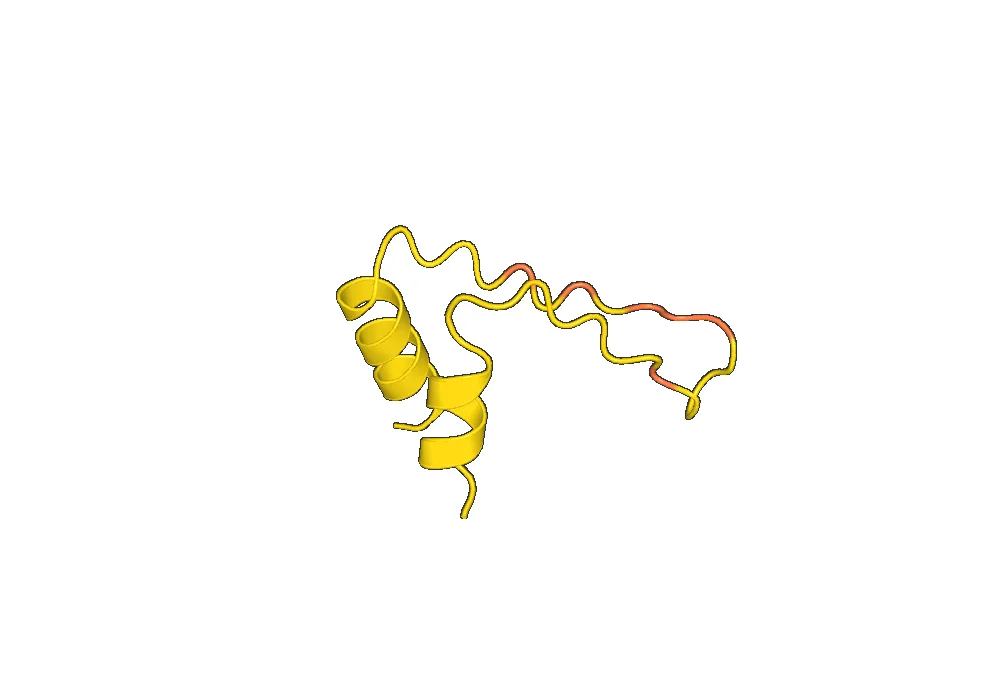
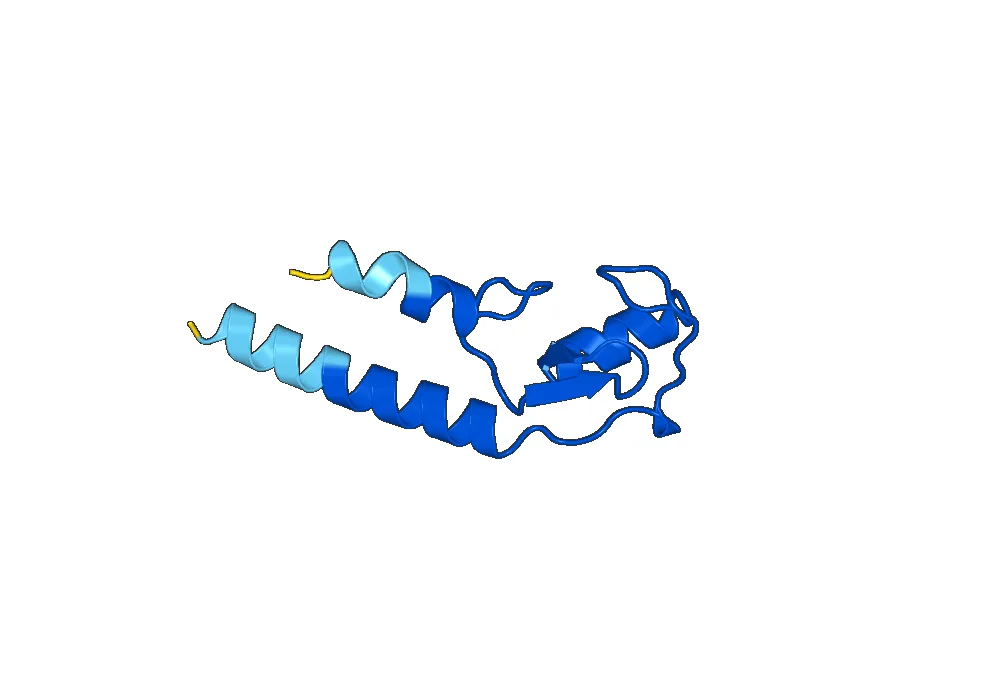
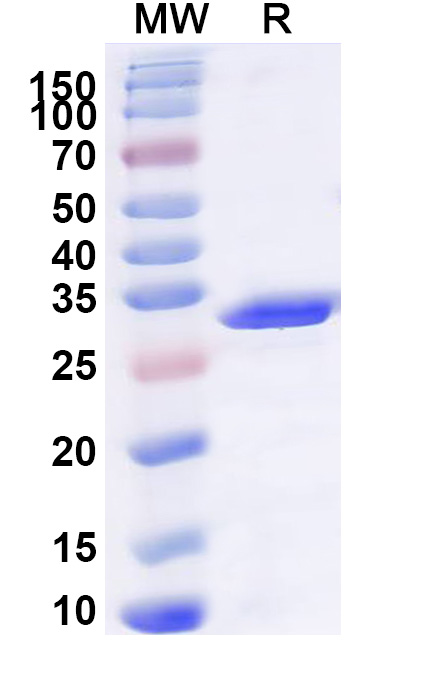
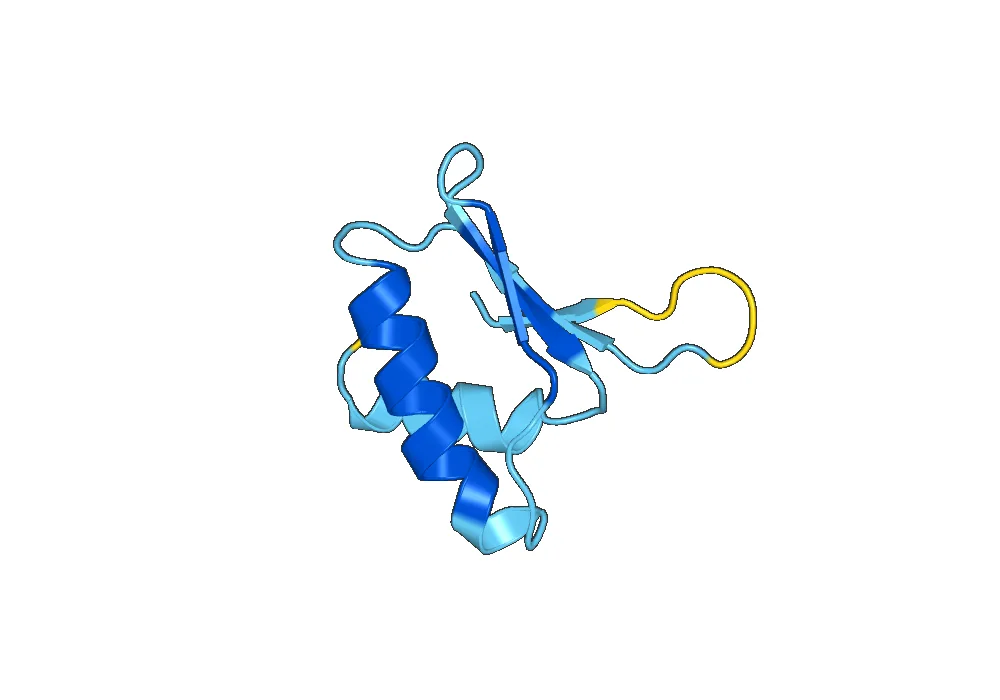
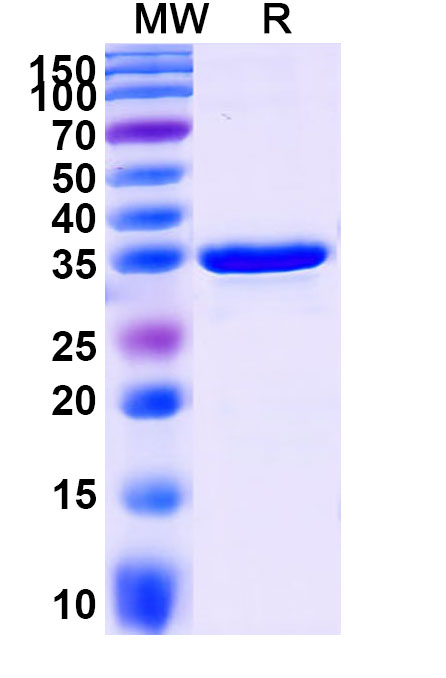
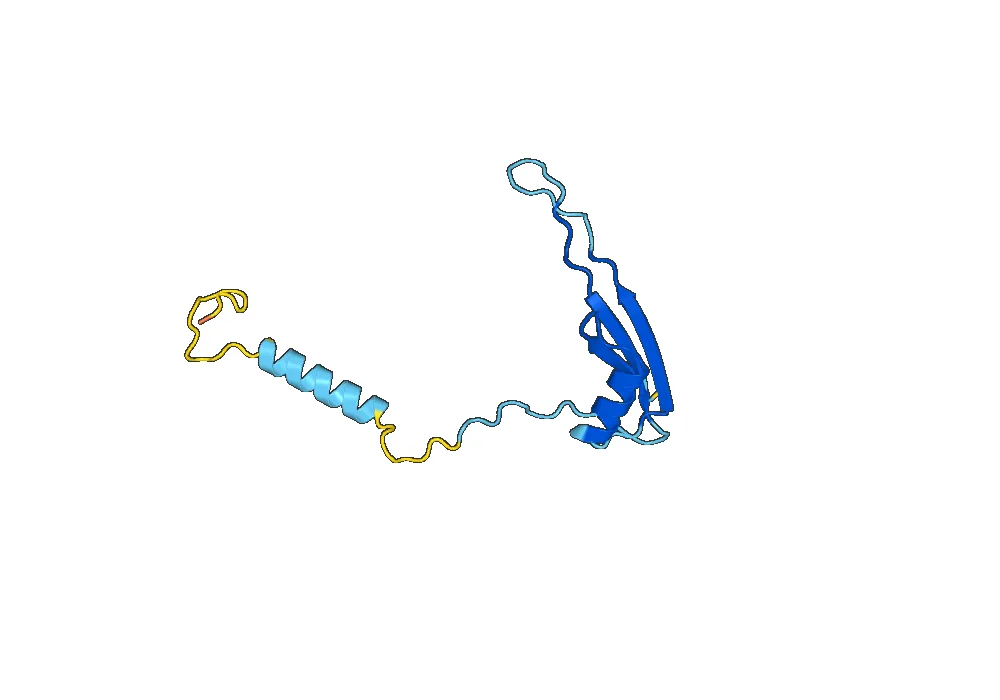
The Recombinant Human EIF1AD Protein is a small protein consisting of 143 amino acids with a molecular weight of approximately 16 kDa. It is composed of a single EIF1A domain, which is a conserved region found in translation initiation factors. This domain is responsible for the interaction with other translation initiation factors and plays a crucial role in the initiation of protein synthesis.
The protein also contains several phosphorylation sites, which are important for its activity and regulation. These sites are located on the N-terminus and C-terminus of the protein and can be modified by various kinases, such as PKC and CK2.
Activity of Recombinant Human EIF1AD Protein
The main function of Recombinant Human EIF1AD Protein is to facilitate the recruitment of the 40S ribosomal subunit to the 5’ end of mRNA during the initiation phase of protein synthesis. It does this by interacting with other translation initiation factors, such as eIF1 and eIF3, to form a complex that binds to the 40S ribosomal subunit.
In addition to its role in protein translation initiation, Recombinant Human EIF1AD Protein has also been shown to play a role in ribosome biogenesis and mRNA stability. It has been found to interact with other proteins involved in these processes, such as nucleophosmin and hnRNP C1/C2, suggesting a potential role in regulating these cellular processes.
The activity of Recombinant Human EIF1AD Protein is tightly regulated by various factors, including phosphorylation and protein-protein interactions. These regulatory mechanisms ensure that protein synthesis is only initiated when necessary and at the correct location within the cell.
Application of Recombinant Human EIF1AD Protein
Recombinant Human EIF1AD Protein has a wide range of applications in both basic research and biotechnology. Its role in protein translation initiation makes it an essential tool for studying the mechanisms of protein synthesis and its regulation.
One potential application of Recombinant Human EIF1AD Protein is in the development of new antibiotics. As this protein is highly conserved and essential for protein synthesis, targeting it could potentially disrupt bacterial translation and lead to the development of new antibiotics.
In addition, Recombinant Human EIF1AD Protein has also been studied in relation to various diseases, including cancer. It has been found to be overexpressed in certain types of cancer, and its expression has been correlated with poor prognosis. This makes it a potential biomarker for cancer diagnosis and a target for cancer therapy.
Furthermore, Recombinant Human EIF1AD Protein has been used in biotechnology for the production of recombinant proteins. Its ability to interact with other translation initiation factors makes it a useful tool for optimizing protein expression in various systems.
Conclusion
In summary, Recombinant Human EIF1AD Protein is a highly conserved protein that plays a crucial role in protein translation initiation. Its structure, activity, and applications make it an essential protein for both basic research and biotechnology. Further studies on this protein will continue to enhance our understanding of protein synthesis and its regulation, as well as its potential for therapeutic and biotechnological applications.



There are no reviews yet.