Introduction
Recombinant proteins are proteins that are produced through genetic engineering techniques, rather than being naturally occurring in an organism. These proteins have become an essential tool in the field of biotechnology, with a wide range of applications in research, diagnostics, and therapeutics. One such protein is the Recombinant Human ELAVL1 Protein, which has gained significant attention in recent years due to its unique structure and diverse functional roles. In this article, we will delve into the details of this protein, including its structure, activity, and various applications.
Structure of Recombinant Human ELAVL1 Protein
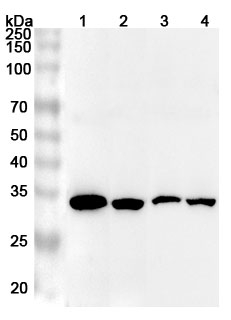
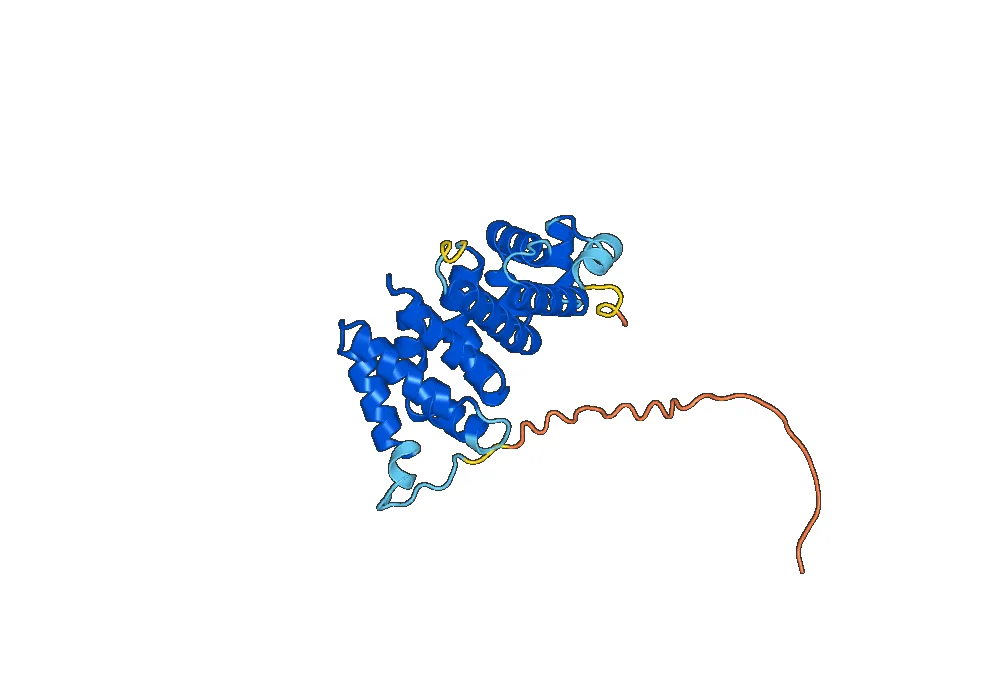
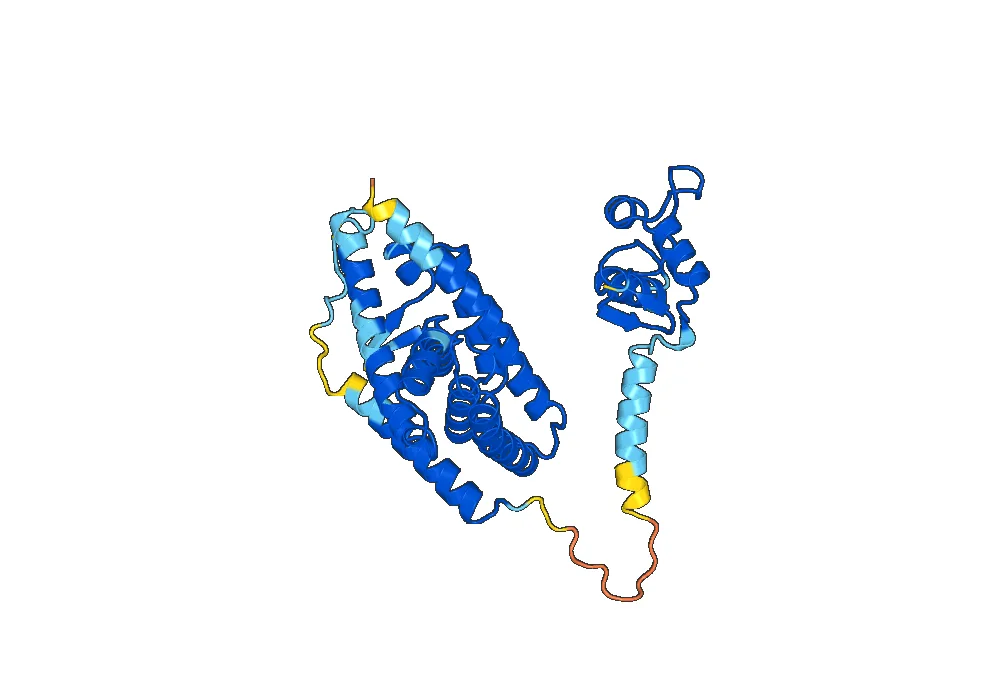
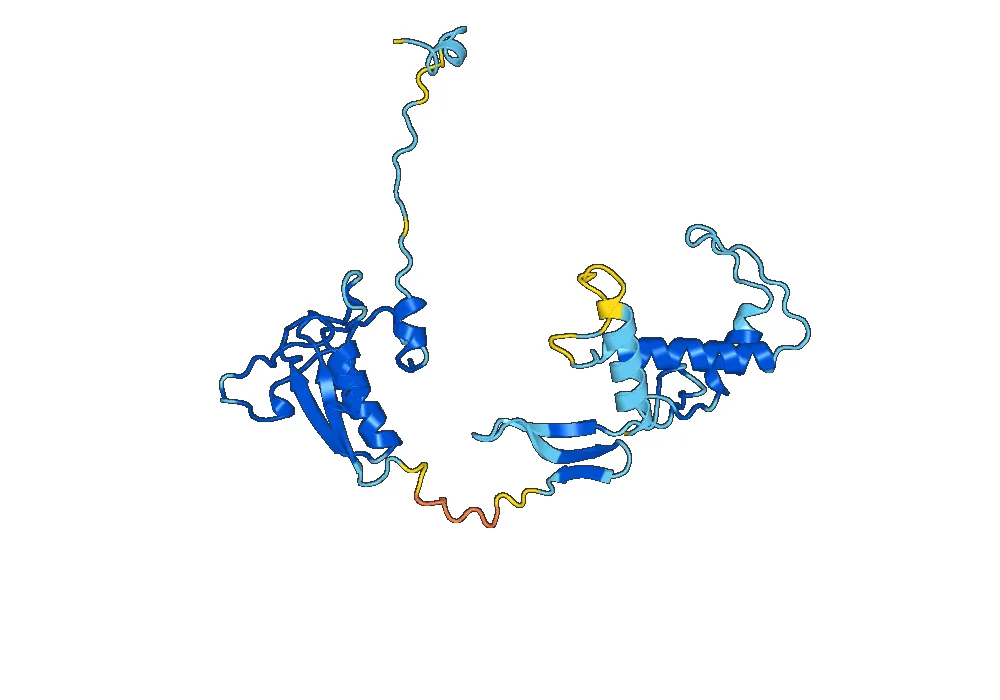
The ELAVL1 protein, also known as HuR (Human antigen R), is a member of the ELAVL family of RNA-binding proteins. It is composed of 326 amino acids and has a molecular weight of approximately 36 kDa. The primary structure of ELAVL1 consists of three RNA recognition motifs (RRMs) and a hinge region, which allows for its binding to various RNA targets. The three RRMs are highly conserved and are responsible for the specific recognition and binding of target RNAs. The hinge region, on the other hand, provides flexibility to the protein, allowing it to interact with different RNA molecules with varying structures.
The secondary structure of ELAVL1 is primarily composed of alpha-helices, with a small portion of beta-sheets. The three RRMs are arranged in tandem, forming a compact and globular structure. This structure is essential for the protein’s function, as it allows for efficient binding to its RNA targets.
Activity of Recombinant Human ELAVL1 Protein
The main function of ELAVL1 is to regulate the stability and translation of target mRNAs. It does so by binding to specific AU-rich elements (AREs) in the 3′ untranslated region (UTR) of target mRNAs. This binding stabilizes the mRNA and prevents its degradation, thereby increasing its half-life. Additionally, ELAVL1 also promotes the translation of target mRNAs, leading to increased protein expression.
Aside from its role in mRNA regulation, ELAVL1 also plays a crucial role in various cellular processes, such as cell proliferation, apoptosis, and stress response. It has been shown to interact with multiple signaling pathways, including the p53 and NF-κB pathways, further highlighting its diverse functional roles.
Applications of Recombinant Human ELAVL1 Protein
The unique structure and activity of ELAVL1 make it a valuable tool in various research applications. One of its most significant applications is in the study of post-transcriptional gene regulation. By manipulating the levels of ELAVL1 in cells, researchers can gain insight into the mechanisms of mRNA stability and translation.
ELAVL1 also has diagnostic and prognostic value in various diseases, such as cancer. Its overexpression has been observed in many types of cancer, and it has been linked to tumor growth and metastasis. Therefore, ELAVL1 can potentially serve as a biomarker for cancer diagnosis and prognosis.
Furthermore, ELAVL1 has therapeutic potential in the treatment of various diseases. Its role in regulating mRNA stability and translation makes it a potential target for drug development. By targeting ELAVL1, researchers can potentially modulate the expression of specific proteins, leading to the development of novel therapies for various diseases.
Conclusion
In conclusion, Recombinant Human ELAVL1 Protein is a unique and versatile protein with a crucial role in post-transcriptional gene regulation. Its structure, activity, and diverse functional roles make it a valuable tool in various research applications, as well as a potential diagnostic and therapeutic target. As our understanding of this protein continues to grow, we can

There are no reviews yet.