Introduction
Recombinant Human EYA3 Protein is a type of protein that is produced through genetic engineering techniques. It is a member of the EYA family of proteins, which are known for their role in various biological processes such as development, cell proliferation, and DNA repair. In this article, we will discuss the structure, activity, and applications of this recombinant protein.
Structure of Recombinant Human EYA3 Protein
The EYA3 gene is located on chromosome 1 in humans and encodes for the EYA3 protein. The recombinant version of this protein is produced in a laboratory setting using recombinant DNA technology. This involves inserting the gene into a host organism, such as bacteria or yeast, which then produces the protein.
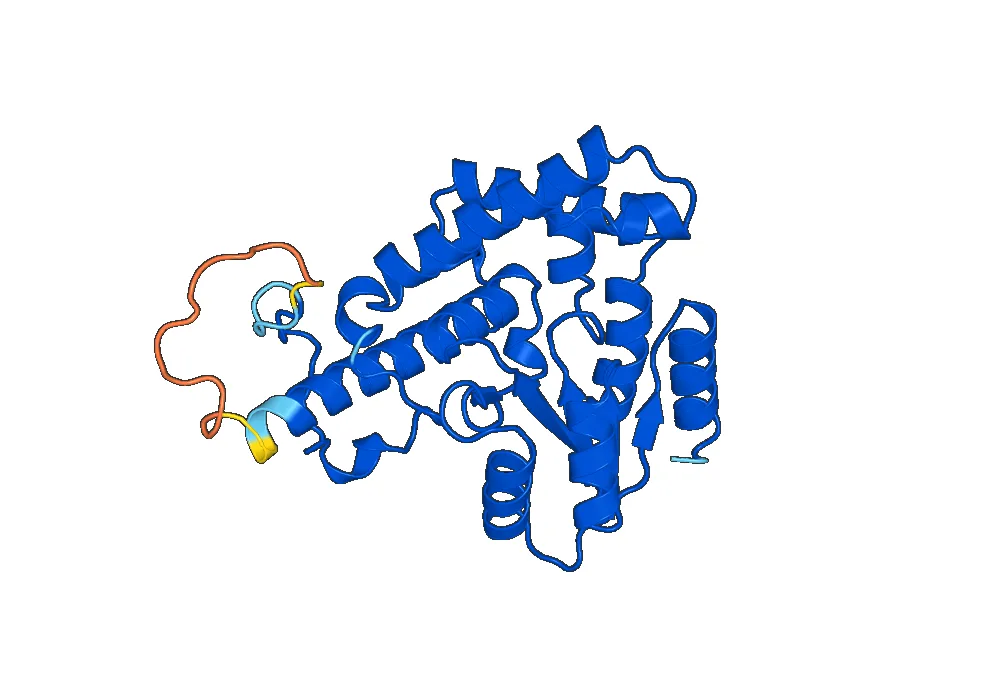
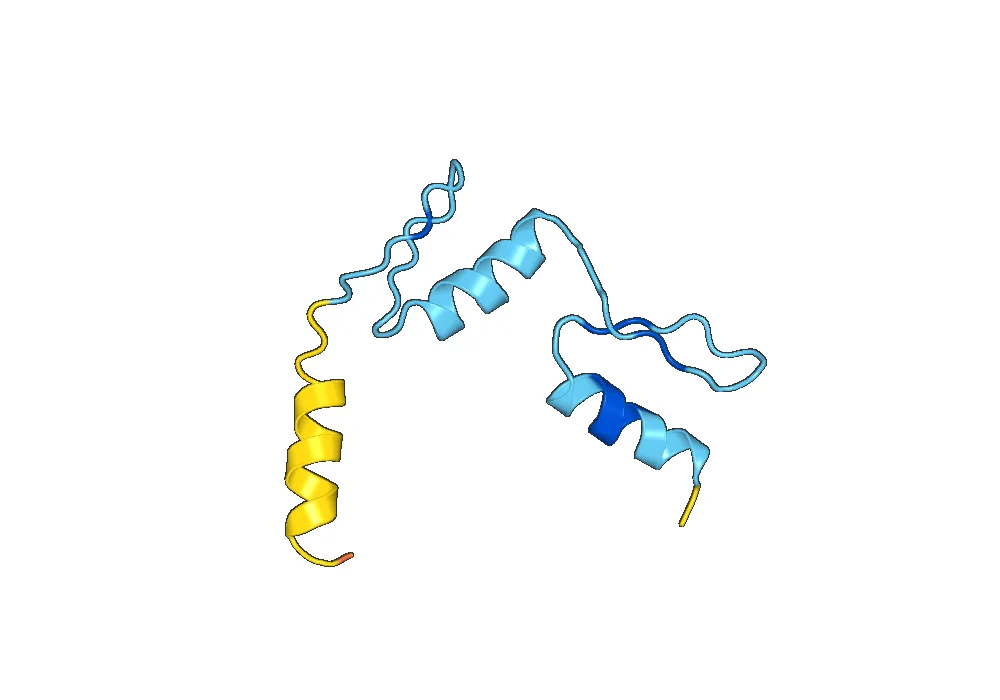
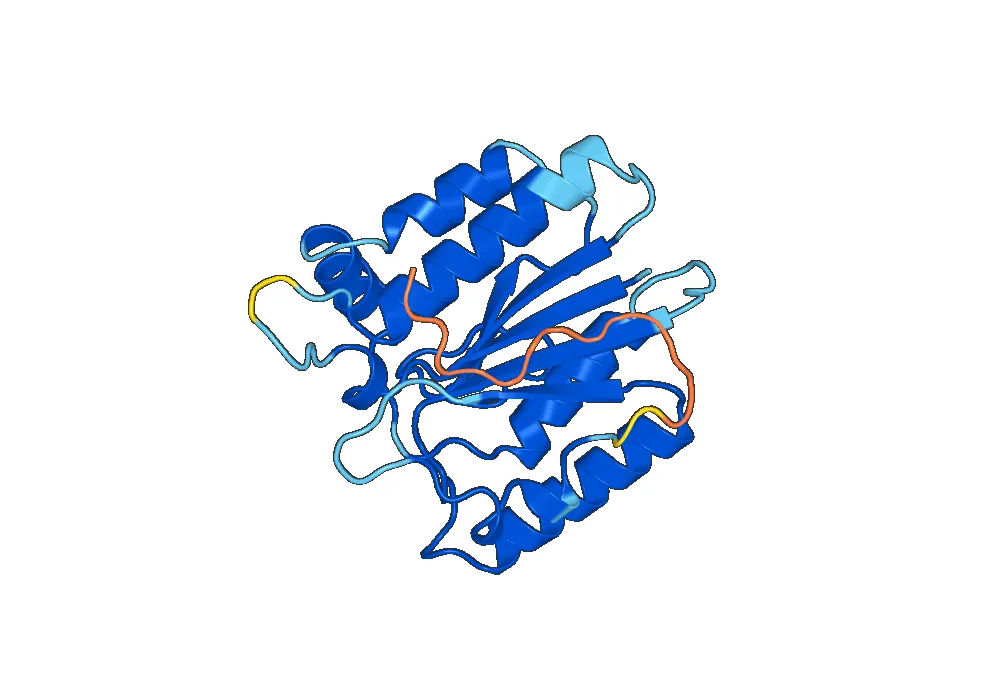
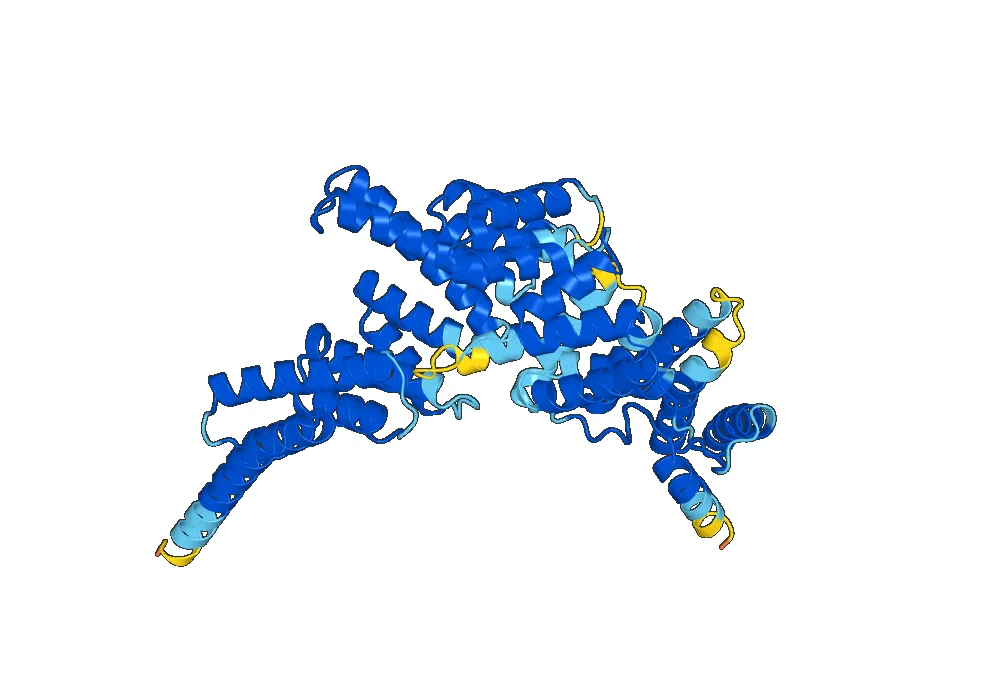
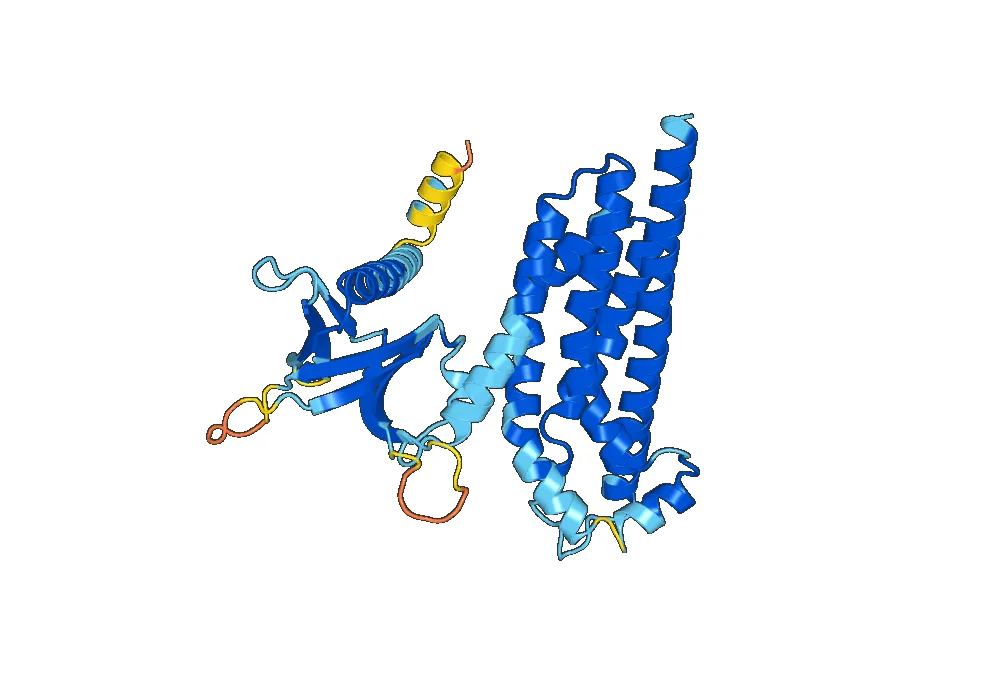
The recombinant human EYA3 protein has a molecular weight of approximately 72 kDa and is composed of 645 amino acids. It has a conserved domain structure, with a central catalytic domain and a C-terminal domain that is responsible for protein-protein interactions. The catalytic domain contains a highly conserved motif known as the EYA domain, which is essential for the protein’s enzymatic activity.
Activity of Recombinant Human EYA3 Protein
The main function of EYA3 protein is to act as a protein phosphatase, which means it removes phosphate groups from other proteins. This activity is crucial for various cellular processes, including signal transduction, gene expression, and cell cycle regulation. EYA3 has also been shown to play a role in DNA repair, particularly in response to DNA damage caused by oxidative stress.
In addition to its phosphatase activity, EYA3 also has transcriptional co-activator activity. This means it can interact with other proteins and enhance their ability to activate gene expression. This activity is important for the regulation of developmental processes, such as eye and ear development.
Applications of Recombinant Human EYA3 Protein
Recombinant Human EYA3 Protein has various applications in both research and therapeutic settings. One of the main uses of this protein is in studying its role in development and disease. Mutations in the EYA3 gene have been linked to several disorders, including congenital cataracts, hearing loss, and cancer. By studying the recombinant protein, researchers can gain a better understanding of how these mutations affect its structure and function, leading to the development of potential treatments.
Another important application of recombinant EYA3 protein is in drug discovery. As a protein phosphatase, EYA3 is involved in many cellular pathways, making it a potential target for drug development. By studying the activity of recombinant EYA3 protein, researchers can identify compounds that can inhibit or enhance its activity, leading to the development of new drugs for various diseases.
Furthermore, recombinant EYA3 protein can also be used as an antigen in vaccine development. Antigens are substances that can stimulate an immune response, and EYA3 has been shown to induce an immune response in cancer patients. By using recombinant EYA3 protein as an antigen, researchers can develop vaccines that can target specific types of cancer, potentially leading to more effective treatments.
Conclusion
In summary, Recombinant Human EYA3 Protein is a crucial protein involved in various cellular processes, including development, DNA repair, and gene expression. Its structure, activity, and applications make it an essential tool in both research and therapeutic settings. With further studies and advancements in technology, this recombinant protein holds great potential for the development of new treatments for various diseases.

There are no reviews yet.