Introduction to Recombinant Human FABP7 Protein
Recombinant Human FABP7 Protein, also known as Fatty Acid Binding Protein 7, is a highly conserved cytoplasmic protein that belongs to the fatty acid binding protein (FABP) family. It is encoded by the FABP7 gene and is expressed in various tissues, including the brain, heart, and adipose tissue.
Structure of Recombinant Human FABP7 Protein
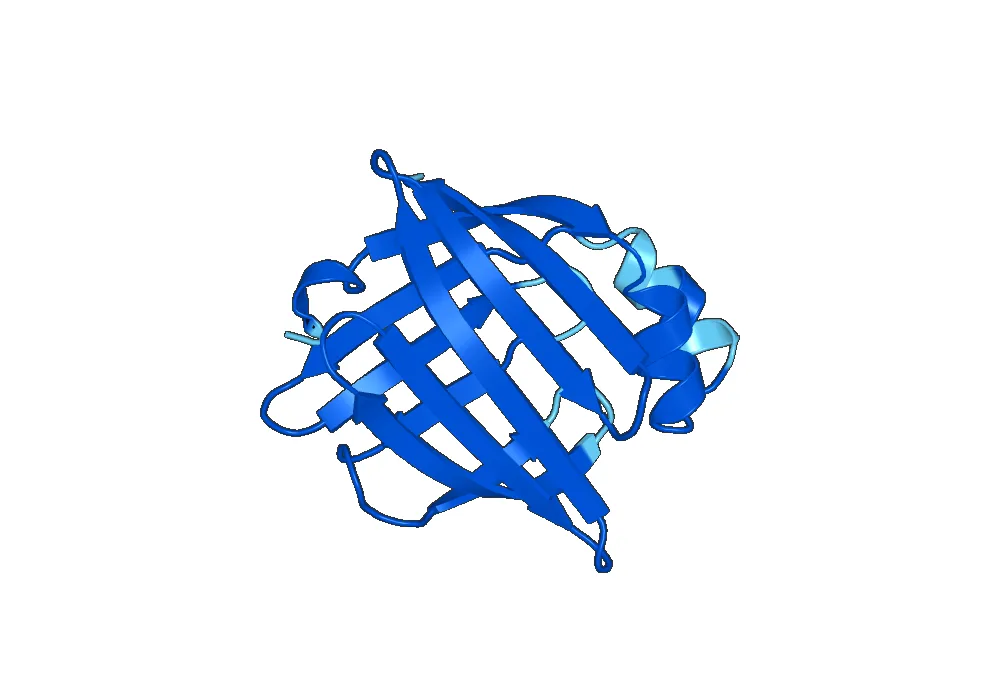
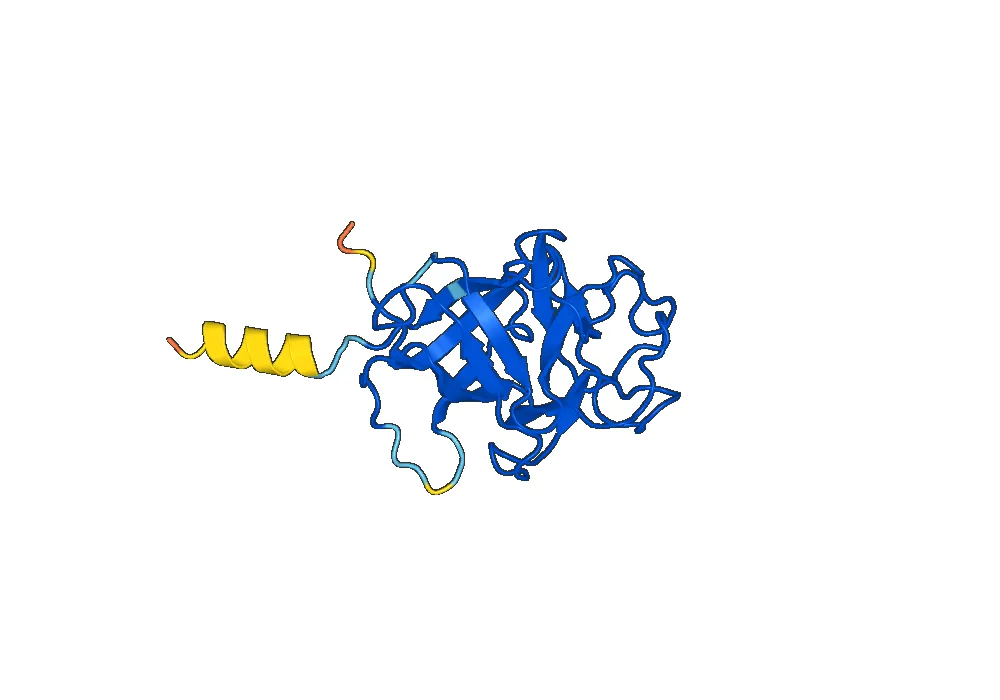
Recombinant Human FABP7 Protein is a small, 15-kDa protein consisting of 132 amino acids. It has a beta-barrel structure with 10 anti-parallel beta-strands and two alpha-helices. The protein also contains a hydrophobic pocket, which is responsible for binding to fatty acids. This structure is highly conserved across different species, indicating its importance in biological functions.
Activity of Recombinant Human FABP7 Protein
Recombinant Human FABP7 Protein plays a crucial role in the transport and metabolism of fatty acids. It binds to long-chain fatty acids and facilitates their transport across cell membranes. This activity is essential for the regulation of lipid metabolism and energy production in cells.
Moreover, Recombinant Human FABP7 Protein has been found to have a high affinity for docosahexaenoic acid (DHA), an omega-3 fatty acid that is crucial for brain development and function. This suggests a potential role of FABP7 in the transport and metabolism of DHA in the brain.
In addition to its role in fatty acid transport, Recombinant Human FABP7 Protein has been implicated in other biological processes such as cell growth, differentiation, and apoptosis. It has been shown to interact with various signaling pathways, including the Wnt and Notch pathways, and may play a role in regulating cell proliferation and differentiation.
Application of Recombinant Human FABP7 Protein
Due to its diverse functions, Recombinant Human FABP7 Protein has been studied extensively in various fields of research. Here are some of its key applications:
1. Biomarker for Brain Tumors
FABP7 is highly expressed in glioblastoma, the most aggressive form of brain tumor. Its expression has been shown to correlate with tumor grade and prognosis, making it a potential biomarker for the diagnosis and prognosis of brain tumors. Recombinant Human FABP7 Protein can be used in research to study the role of FABP7 in brain tumor development and progression.
2. Neurodegenerative Diseases
FABP7 has been implicated in various neurodegenerative diseases, including Alzheimer’s and Parkinson’s disease. It has been shown to interact with proteins involved in the pathogenesis of these diseases, suggesting a potential role in their development. Recombinant Human FABP7 Protein can be used to study the mechanisms underlying these diseases and develop potential therapeutic strategies.
3. Drug Development
The hydrophobic pocket of FABP7 makes it an attractive target for drug development. Small molecules that can bind to this pocket and modulate FABP7 activity have the potential to treat various diseases, including cancer and metabolic disorders. Recombinant Human FABP7 Protein can be used in drug screening assays to identify potential lead compounds.
4. Fatty Acid Transport
Recombinant Human FABP7 Protein can be used to study the transport and metabolism of fatty acids in cells. It can be incorporated into in vitro systems to investigate the role of FABP7 in fatty acid uptake and metabolism. This can help in understanding the underlying mechanisms of lipid-related diseases and developing potential therapeutic interventions.
Conclusion
In summary, Recombinant Human FABP7 Protein is a versatile protein with diverse functions in various biological processes. Its unique structure and activity make it a valuable tool in research and drug development. As


There are no reviews yet.