Introduction
Recombinant Human FCN1 Protein, also known as Ficolin-1, is a glycoprotein that plays a crucial role in the innate immune response. It belongs to the ficolin family of proteins, which are involved in the recognition and clearance of pathogens. Recombinant Human FCN1 Protein is produced through genetic engineering techniques, making it a highly purified and biologically active protein. In this article, we will discuss the structure, activity, and applications of this important recombinant protein.
Structure of Recombinant Human FCN1 Protein
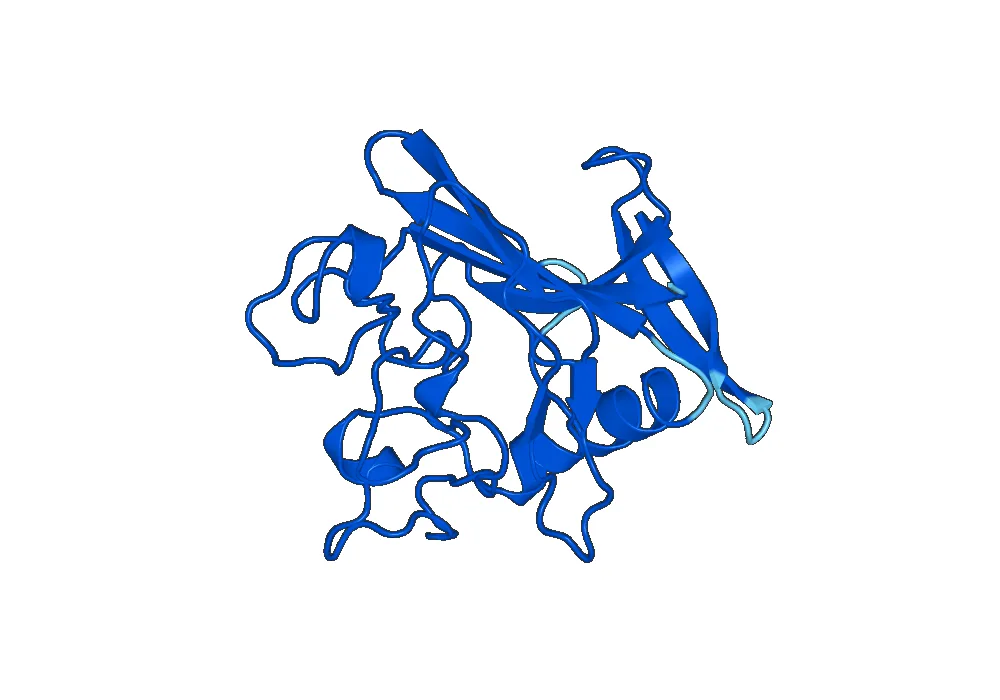
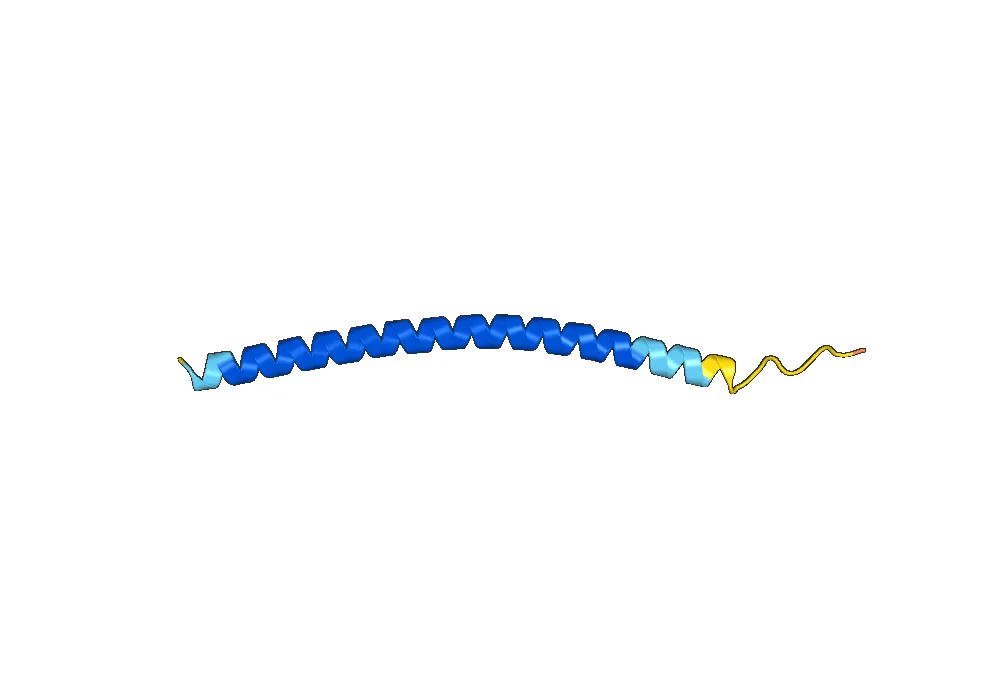
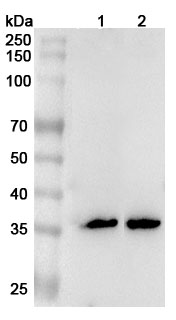
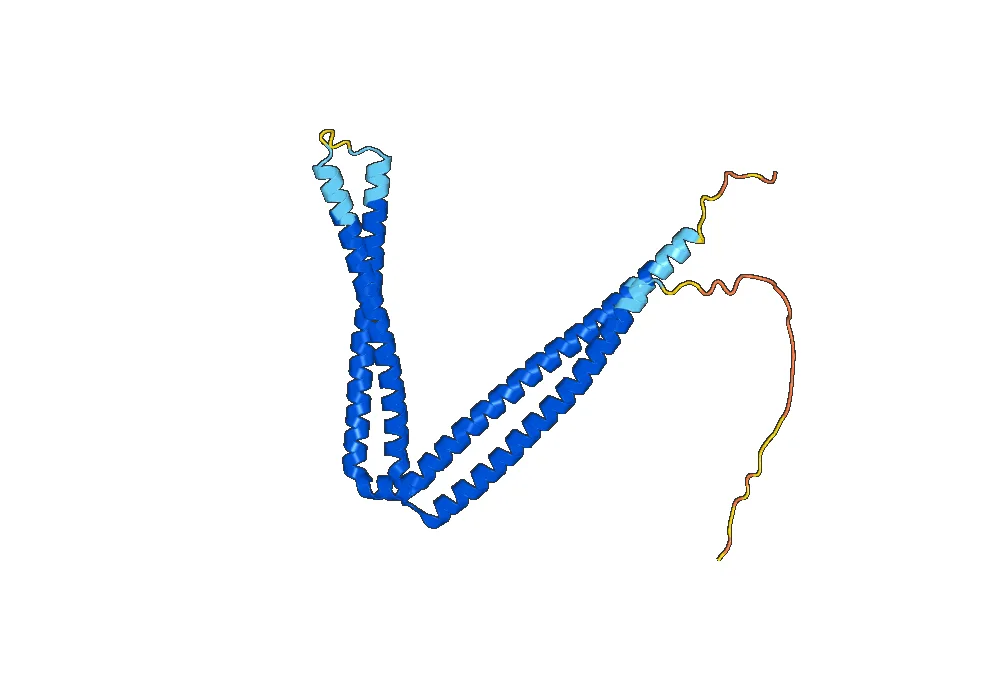
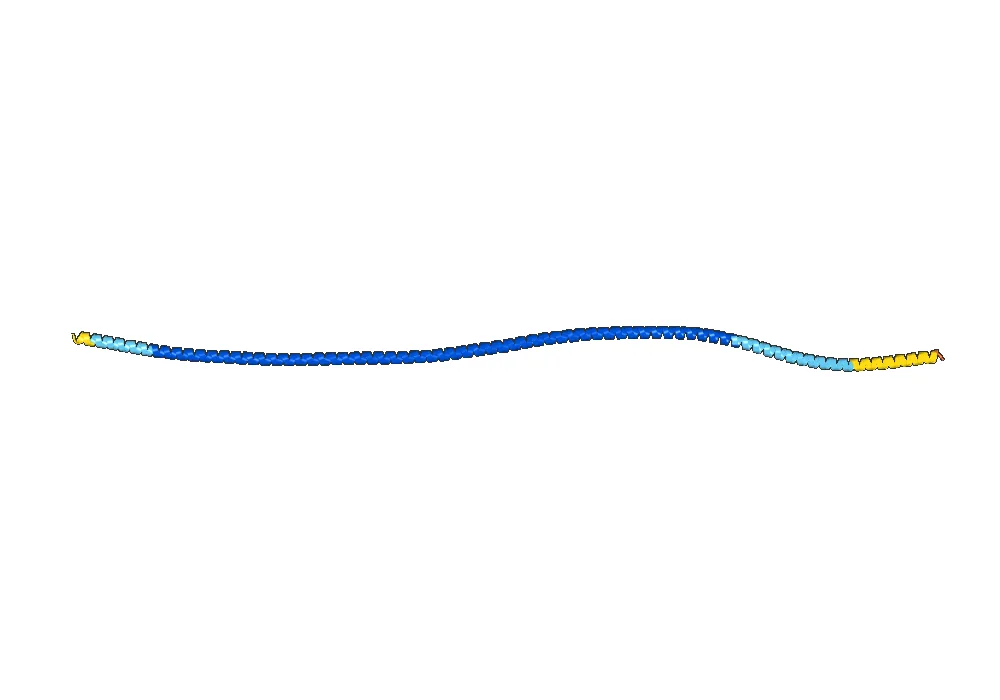
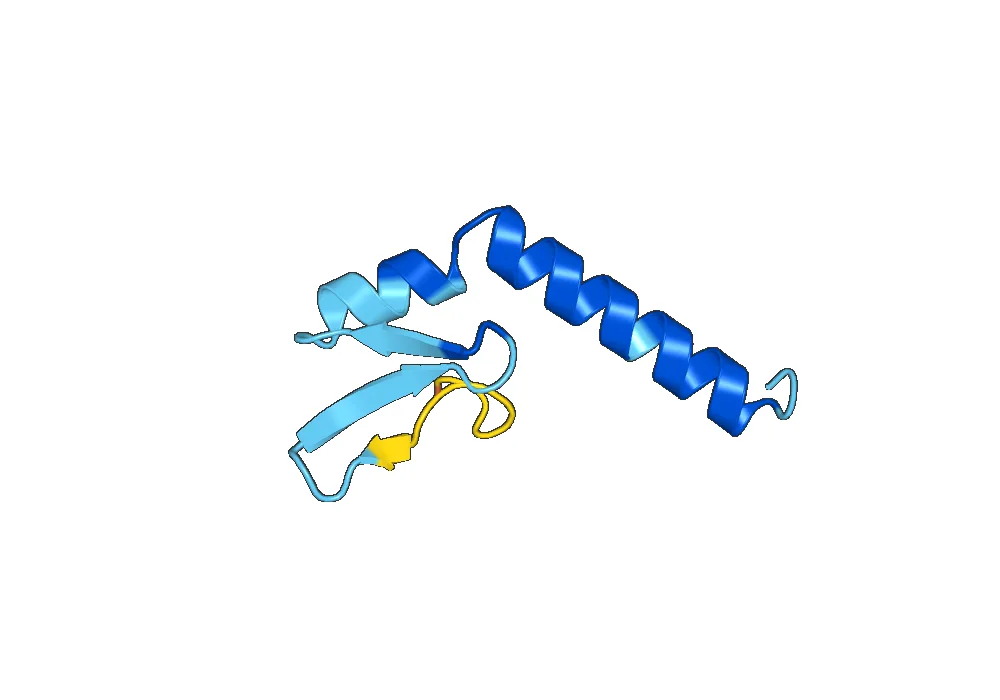
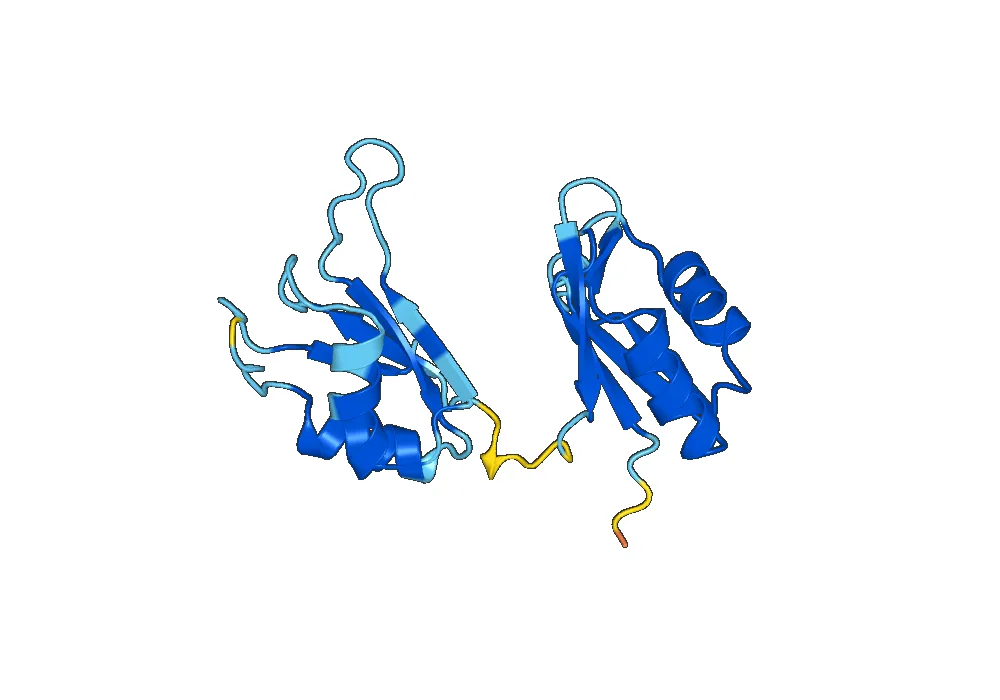
Recombinant Human FCN1 Protein is a 35 kDa protein composed of 318 amino acids. It has a complex structure, consisting of a collagen-like domain, a fibrinogen-like domain, and a globular domain. The collagen-like domain contains repeating units of Gly-X-Y triplets, which are important for the stability and flexibility of the protein. The fibrinogen-like domain is responsible for binding to carbohydrates and other ligands. The globular domain is the most conserved region among ficolins and is involved in the recognition and binding of pathogens.
Activity of Recombinant Human FCN1 Protein
Recombinant Human FCN1 Protein is a pattern recognition receptor (PRR) that plays a critical role in the innate immune response. It recognizes and binds to various microbial pathogens, including bacteria, viruses, fungi, and parasites. This binding triggers a cascade of events that lead to the activation of the complement system, a group of proteins that work together to eliminate pathogens. Recombinant Human FCN1 Protein also has opsonic activity, which means it enhances the phagocytosis of pathogens by immune cells.
Applications of Recombinant Human FCN1 Protein
Recombinant Human FCN1 Protein has a wide range of applications in research, diagnostics, and therapeutics. Some of the key applications of this protein are:
1. Research
Recombinant Human FCN1 Protein is a valuable tool for studying the innate immune response. Its ability to bind to a variety of pathogens makes it useful for investigating the mechanisms of pathogen recognition and clearance. It is also used in studies to understand the role of ficolins in various diseases and conditions.
2. Diagnostics
Recombinant Human FCN1 Protein is used in diagnostic tests to detect the presence of pathogens in clinical samples. Its ability to bind to a wide range of pathogens makes it a useful tool for identifying the causative agent of an infection. It is also used in tests to measure the levels of ficolins in the blood, which can provide valuable information about the immune status of an individual.
3. Therapeutics
Recombinant Human FCN1 Protein has potential therapeutic applications due to its ability to activate the complement system and enhance phagocytosis. It is being studied as a possible treatment for various infectious diseases, including bacterial, viral, and fungal infections. It is also being investigated as a potential therapy for autoimmune diseases, where the complement system is dysregulated.
Conclusion
Recombinant Human FCN1 Protein is a versatile protein with important roles in the innate immune response. Its structure, activity, and applications make it a valuable tool for research, diagnostics, and therapeutics. As our understanding of the immune system and its components continues to grow, the potential applications of this recombinant protein are likely to expand, making it an exciting area of study for scientists and clinicians alike.


There are no reviews yet.