Introduction to Recombinant Human FGB/Fibrinogen beta Protein
Recombinant Human FGB/Fibrinogen beta Protein is a type of recombinant protein that is produced using genetic engineering techniques. This protein is a key component of the blood clotting process and is essential for wound healing and tissue repair. In this article, we will discuss the structure, activity, and application of Recombinant Human FGB/Fibrinogen beta Protein.
Structure of Recombinant Human FGB/Fibrinogen beta Protein
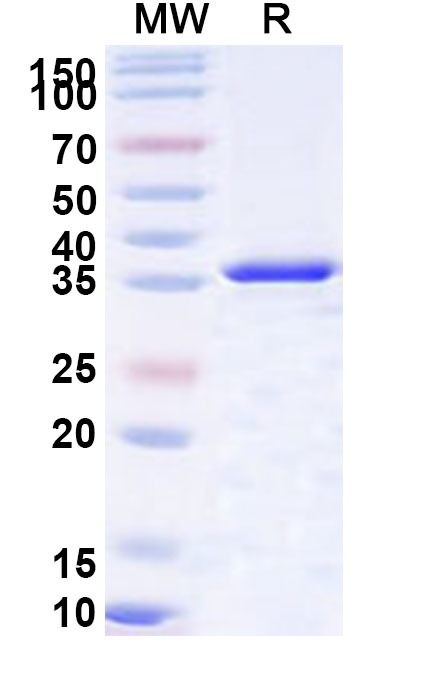
Recombinant Human FGB/Fibrinogen beta Protein is a glycoprotein that is composed of two identical polypeptide chains, each with a molecular weight of approximately 56 kDa. These two chains are held together by disulfide bonds, forming a dimer. The protein also contains a small amount of carbohydrate, accounting for approximately 2-3% of its total weight.
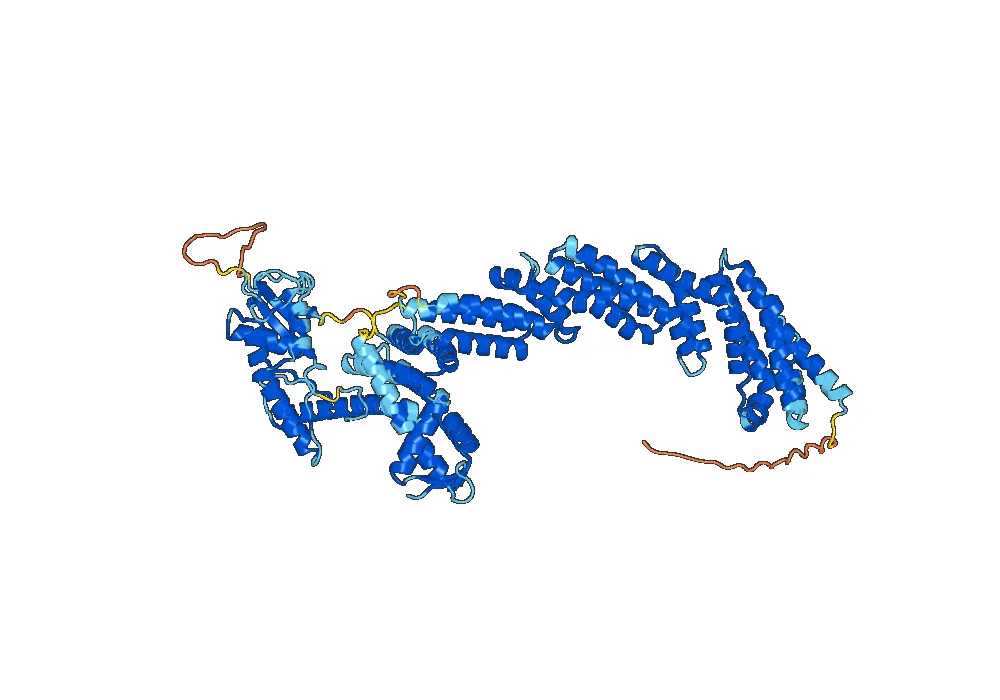
The primary structure of Recombinant Human FGB/Fibrinogen beta Protein consists of 461 amino acids, with a signal peptide of 20 amino acids at the N-terminus. This signal peptide is important for the secretion of the protein from the cell. The remaining 441 amino acids make up the mature protein, which is further divided into three domains: the N-terminal domain, the central domain, and the C-terminal domain.
The N-terminal domain is responsible for the binding of the protein to other clotting factors, while the central domain is involved in the polymerization of fibrinogen, forming a fibrin clot. The C-terminal domain is important for the cross-linking of fibrin strands, providing stability to the clot.
Activity of Recombinant Human FGB/Fibrinogen beta Protein
Recombinant Human FGB/Fibrinogen beta Protein plays a crucial role in the blood clotting process. When there is an injury or damage to a blood vessel, platelets in the blood start to aggregate at the site of injury. This leads to the activation of clotting factors, including Recombinant Human FGB/Fibrinogen beta Protein.
Once activated, Recombinant Human FGB/Fibrinogen beta Protein is converted into fibrinogen, which then undergoes a series of enzymatic reactions to form a fibrin mesh. This fibrin mesh, along with platelets, forms a stable blood clot that stops bleeding and allows for tissue repair to occur.
In addition to its role in blood clotting, Recombinant Human FGB/Fibrinogen beta Protein also has other important functions. It has been shown to have anti-inflammatory properties and can modulate the activity of immune cells, suggesting a potential role in regulating immune responses.
Application of Recombinant Human FGB/Fibrinogen beta Protein
The use of Recombinant Human FGB/Fibrinogen beta Protein has a wide range of applications in both research and clinical settings. In research, this protein is commonly used in studies related to blood clotting, wound healing, and immune responses. It can also be used as a positive control in assays that measure fibrinogen levels in blood samples.
In clinical settings, Recombinant Human FGB/Fibrinogen beta Protein has been used as a therapeutic agent for various conditions. It has been shown to improve wound healing in patients with chronic wounds, such as diabetic foot ulcers. It has also been used in the treatment of bleeding disorders, such as hemophilia, where there is a deficiency of clotting factors.
Furthermore, Recombinant Human FGB/Fibrinogen beta Protein has potential applications in tissue engineering and regenerative medicine. Its ability to promote cell adhesion and proliferation makes it a promising candidate for use in scaffolds and matrices for tissue repair and regeneration.
Conclusion
In summary, Recombinant Human FGB/Fibrinogen beta Protein is a

There are no reviews yet.