Introduction
Recombinant Human FOXP1 is a protein that plays a crucial role in the development and function of various tissues and organs in the human body. It belongs to the FOX family of transcription factors and is encoded by the FOXP1 gene. This protein has been extensively studied due to its involvement in several diseases and its potential as a therapeutic target. In this article, we will discuss the structure, activity, and applications of Recombinant Human FOXP1.
Structure of Recombinant Human FOXP1
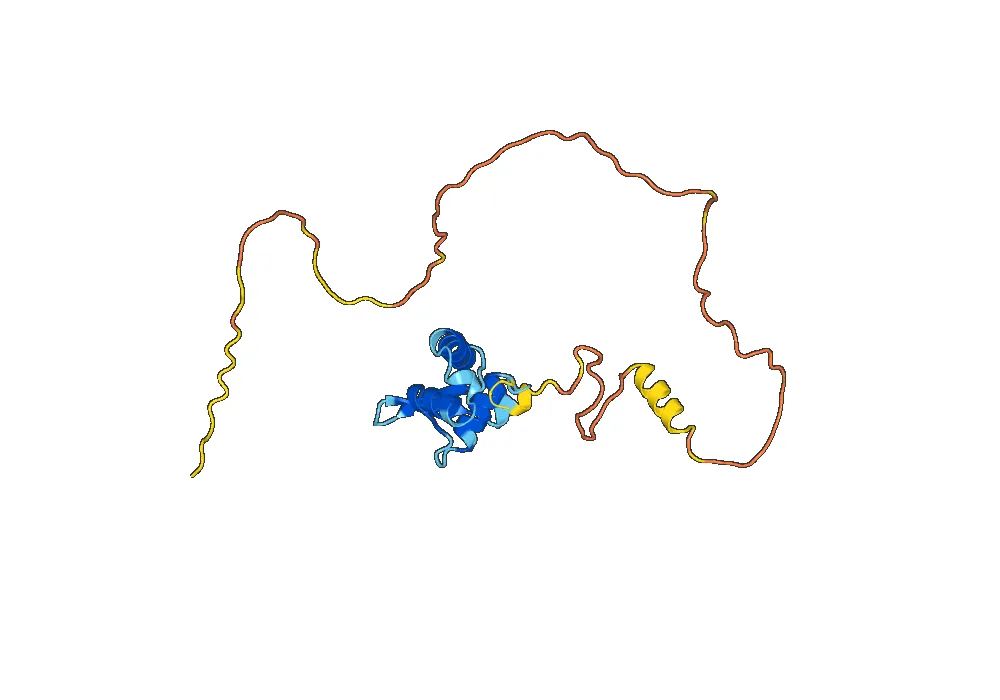
The FOXP1 protein is composed of 677 amino acids and has a molecular weight of approximately 75 kDa. It consists of a DNA-binding domain, a protein-protein interaction domain, and a leucine zipper domain. The DNA-binding domain contains a forkhead box (FOX) DNA-binding motif, which allows the protein to bind to specific DNA sequences. The protein-protein interaction domain is responsible for interactions with other proteins, while the leucine zipper domain aids in dimerization of the protein.
Recombinant Human FOXP1 is produced by cloning the FOXP1 gene into a suitable expression vector and expressing it in a host cell. This results in the production of a purified form of the protein that is free from any contaminants. The recombinant protein has the same amino acid sequence as the native FOXP1 protein and therefore, retains its biological activity.
Activity of Recombinant Human FOXP1
FOXP1 is a transcription factor, meaning it regulates the expression of genes by binding to specific DNA sequences and controlling their transcription. It is involved in the development and function of various tissues and organs, including the brain, heart, lungs, and immune system. FOXP1 has been shown to play a role in cell proliferation, differentiation, and survival.
Studies have also demonstrated that FOXP1 is dysregulated in several diseases, including cancer, autoimmune disorders, and neurodevelopmental disorders. In cancer, FOXP1 has been found to act as both a tumor suppressor and an oncogene, depending on the type of cancer. It has also been linked to the development of autoimmune disorders, such as rheumatoid arthritis and lupus, as well as neurodevelopmental disorders, such as autism and schizophrenia.
Applications of Recombinant Human FOXP1
Given its role in various diseases, Recombinant Human FOXP1 has been studied as a potential therapeutic target. It has been shown to have anti-tumor effects in certain types of cancer, making it a promising candidate for cancer treatment. In addition, FOXP1 has been targeted for the treatment of autoimmune disorders and neurodevelopmental disorders.
Recombinant Human FOXP1 has also been used in research as a tool to study its biological function and its role in diseases. It has been used to identify target genes regulated by FOXP1 and to study the mechanisms underlying its activity. Furthermore, recombinant FOXP1 has been used in diagnostic tests for certain diseases, such as lymphoma, where it is overexpressed.
In conclusion, Recombinant Human FOXP1 is a crucial protein involved in the development and function of various tissues and organs. Its dysregulation has been linked to several diseases, making it a potential therapeutic target. Recombinant Human FOXP1 has been produced and used in research to study its structure, activity, and role in diseases. With further research, this protein could potentially be used in the treatment of various diseases, improving human health and well-being.
Keywords:
- Recombinant protein
- Antigen
- FOXP1
- Transcription factor
- DNA-binding domain
- Protein-protein interaction domain
- Leucine zipper domain</


There are no reviews yet.