Title: Introduction to Recombinant Human FTMT
Recombinant Human FTMT: Structure and Function
Recombinant Human FTMT: Activity and Mechanism of Action
Applications of Recombinant Human FTMT in Research and Medicine
Introduction:
Recombinant Human FTMT (Ferritin Mitochondrial) is a recombinant protein that has gained significant attention in the field of biomedical research and medicine. It is a key player in the regulation of iron metabolism and has been extensively studied for its potential therapeutic applications. In this article, we will delve into the structure, activity, and applications of Recombinant Human FTMT.
Recombinant Human FTMT: Structure and Function:
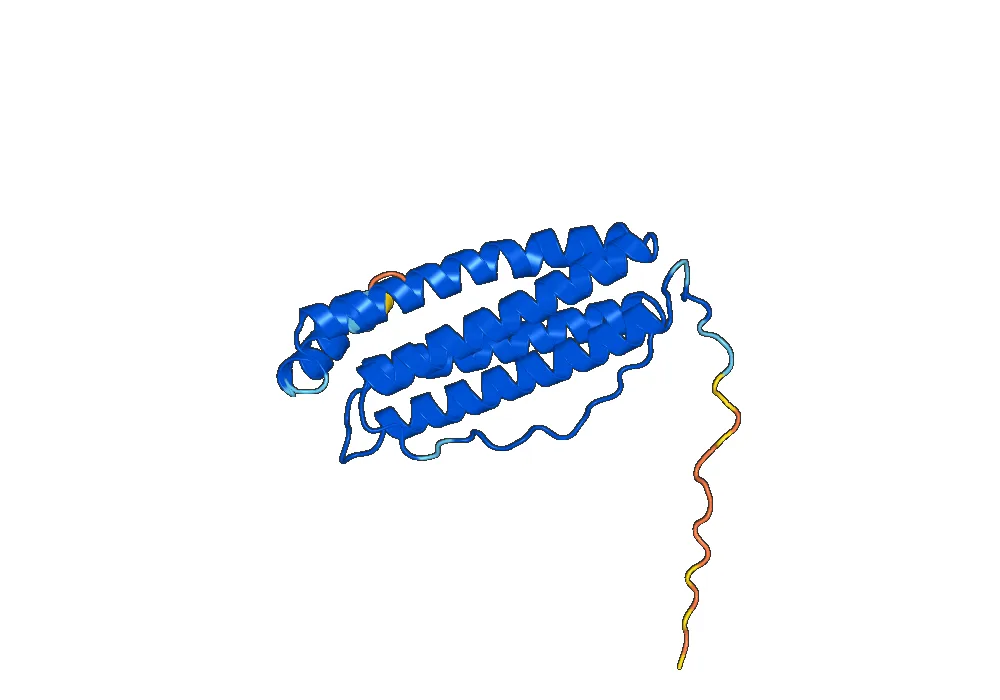
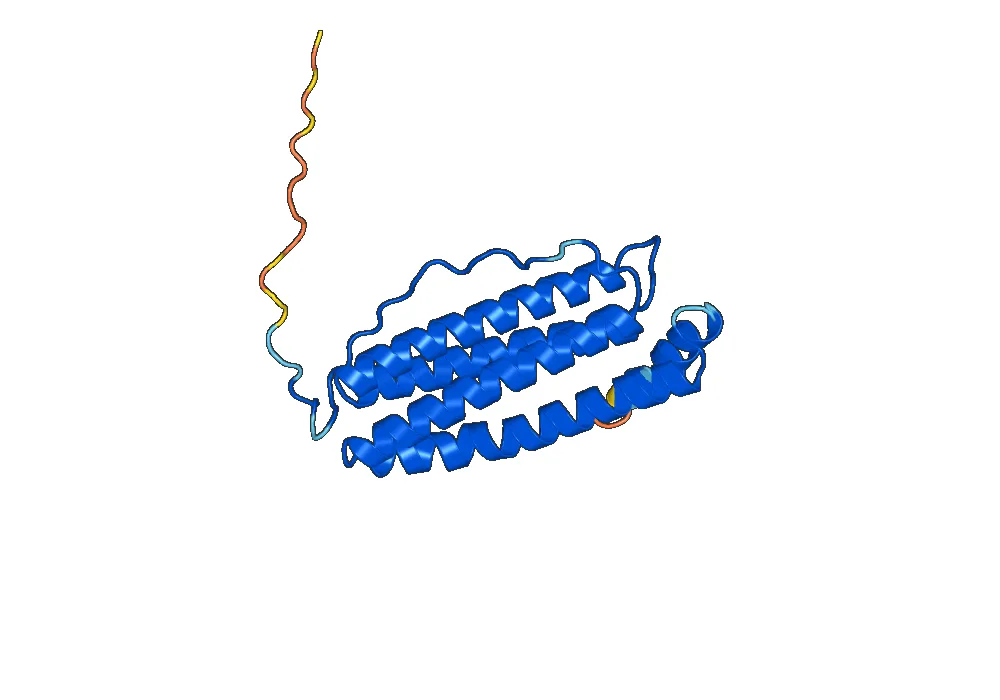
Recombinant Human FTMT is a 23 kDa protein that belongs to the ferritin family. It is a homopolymer of 24 subunits, each consisting of 175 amino acids. The protein has a globular shape and is composed of two types of subunits, H and L, in a 1:1 ratio. The H subunits are responsible for iron storage, while the L subunits are involved in iron transport and release. The unique structure of Recombinant Human FTMT allows it to bind and store iron in a controlled manner, preventing the toxic effects of excess iron in the body.
Recombinant Human FTMT: Activity and Mechanism of Action:
The primary function of Recombinant Human FTMT is to regulate iron metabolism by storing and releasing iron in a controlled manner. It acts as an iron chaperone, transporting iron to the mitochondria for incorporation into heme and iron-sulfur clusters. This process is essential for the proper functioning of various enzymes involved in energy production, DNA synthesis, and cellular respiration.
In addition to its role in iron metabolism, Recombinant Human FTMT has been found to have antioxidant activity. It can bind to and sequester free iron, preventing its participation in harmful reactions that generate reactive oxygen species (ROS). This antioxidant activity is crucial in protecting cells from oxidative stress, which is associated with various diseases such as cancer, neurodegenerative disorders, and cardiovascular diseases.
Applications of Recombinant Human FTMT in Research and Medicine:
The unique structure and function of Recombinant Human FTMT make it a valuable tool in both research and medicine. In research, it is used as an antigen to study the immune response to iron overload disorders and iron-related diseases. Its role in iron metabolism and antioxidant activity also makes it a promising target for drug development.
In medicine, Recombinant Human FTMT has been studied for its potential therapeutic applications in various diseases. It has shown promising results in the treatment of iron overload disorders such as hereditary hemochromatosis and thalassemia, where excess iron can lead to tissue damage and organ failure. It has also been investigated as a potential treatment for neurodegenerative disorders such as Parkinson’s and Alzheimer’s disease, where oxidative stress plays a significant role.
Moreover, Recombinant Human FTMT has been studied for its role in cancer treatment. It has been found to inhibit the growth of cancer cells by limiting their access to iron, which is essential for their proliferation. This makes it a potential adjuvant therapy in combination with traditional cancer treatments.
In conclusion, Recombinant Human FTMT is a versatile protein with a crucial role in iron metabolism and antioxidant activity. Its unique structure and function make it a valuable tool in research and a promising candidate for therapeutic applications in various diseases. Further studies on this protein are necessary to fully understand its potential and harness its benefits in the field of medicine.
There are no reviews yet.