Introduction
Recombinant proteins are proteins that are produced through genetic engineering techniques, where the DNA sequence encoding for a specific protein is inserted into a host organism, such as bacteria, to produce the desired protein. One such recombinant protein is the Recombinant Human GPAT3 Protein, which has gained significant attention in the scientific community due to its potential therapeutic applications. In this article, we will delve into the structure, activity, and application of this protein in detail.
Structure of Recombinant Human GPAT3 Protein
The Recombinant Human GPAT3 Protein is a 35-kDa protein that belongs to the glycerol-3-phosphate acyltransferase (GPAT) family. It is composed of 319 amino acids and has a conserved catalytic domain, which is essential for its enzymatic activity. The protein also contains a transmembrane domain, which is responsible for its localization in the endoplasmic reticulum (ER) membrane.
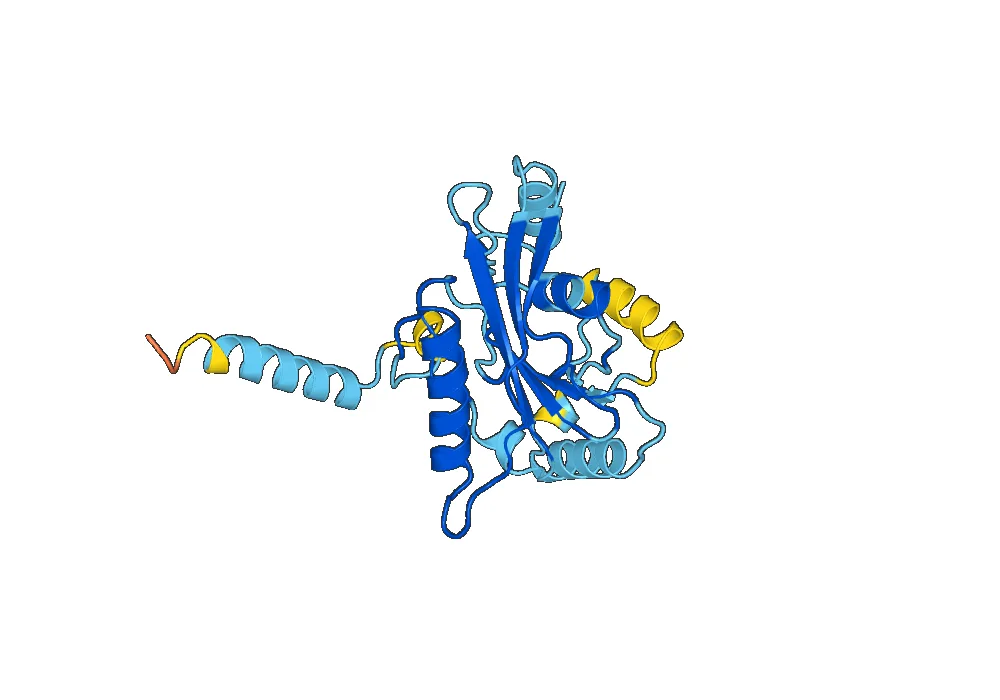
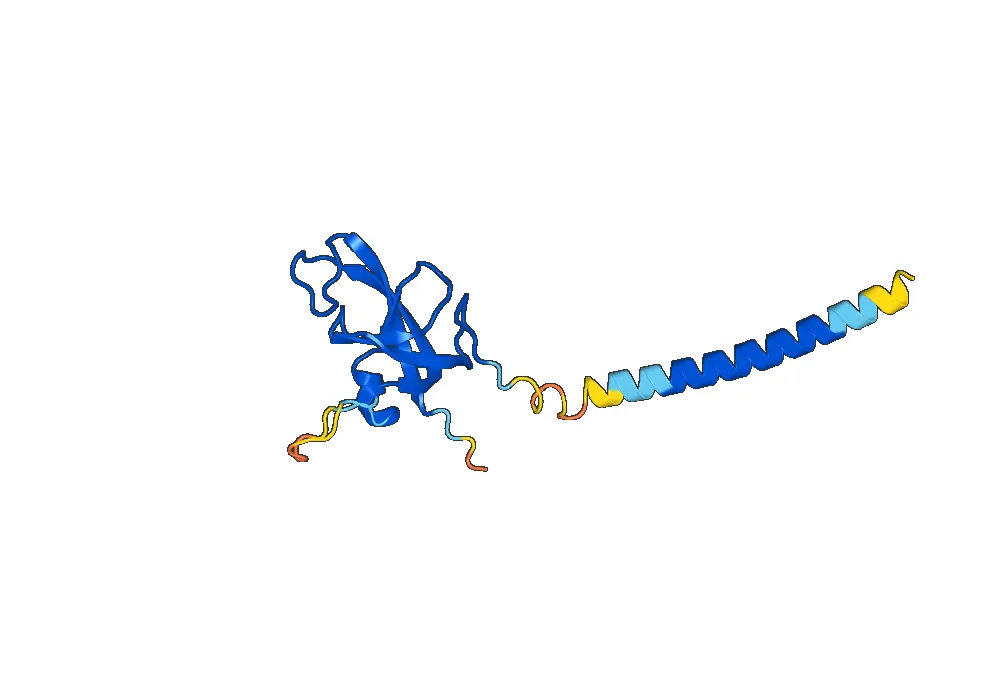
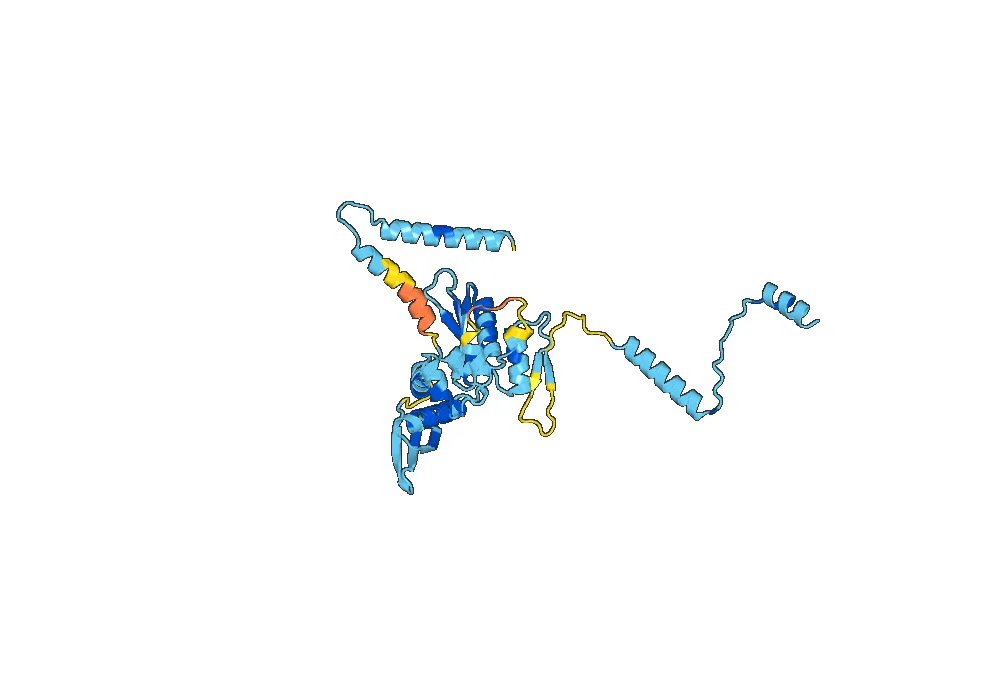
The crystal structure of Recombinant Human GPAT3 Protein has been determined, revealing a homodimeric structure with each monomer containing an active site for catalyzing the transfer of fatty acids to glycerol-3-phosphate. The dimeric structure of the protein is crucial for its activity, as it allows for efficient binding and transfer of fatty acids.
Activity of Recombinant Human GPAT3 Protein
The main function of Recombinant Human GPAT3 Protein is to catalyze the first step in the biosynthesis of glycerolipids, which are essential components of cell membranes. This involves the transfer of an acyl group from acyl-CoA to glycerol-3-phosphate, resulting in the formation of lysophosphatidic acid (LPA). LPA is then further modified to form different types of glycerolipids, such as phosphatidic acid and triacylglycerols, which play critical roles in various cellular processes.
Recent studies have also shown that Recombinant Human GPAT3 Protein has a role in regulating insulin sensitivity and glucose metabolism. It has been found that the protein is upregulated in insulin-resistant tissues, and its inhibition leads to improved insulin sensitivity and glucose uptake. This suggests that Recombinant Human GPAT3 Protein may be a potential target for the development of new therapies for insulin resistance and type 2 diabetes.
Application of Recombinant Human GPAT3 Protein
The unique structure and activity of Recombinant Human GPAT3 Protein make it a promising candidate for various therapeutic applications. One of the most significant applications of this protein is in the development of drugs for the treatment of metabolic disorders, such as obesity and diabetes. As mentioned earlier, the protein plays a crucial role in regulating glucose metabolism and insulin sensitivity, making it a potential target for the development of drugs that can improve these conditions.
Additionally, Recombinant Human GPAT3 Protein has also shown potential in the treatment of certain types of cancer. Studies have found that the protein is overexpressed in some cancer cells, and its inhibition leads to reduced cell proliferation and increased cell death. This makes it a potential target for the development of anti-cancer drugs.
Another potential application of Recombinant Human GPAT3 Protein is in the production of biofuels. The protein’s ability to catalyze the biosynthesis of triacylglycerols makes it a promising candidate for the production of biodiesel, which can be used as a sustainable alternative to fossil fuels.
Conclusion
In conclusion, Recombinant Human GPAT3 Protein is a 35-kDa protein with a homodimeric structure and essential role in the biosynthesis of glycerolipids. Its unique structure and activity make



There are no reviews yet.