Recombinant Human OPTN Protein: Structure, Activity, and Applications
Introduction
Recombinant proteins have revolutionized the field of biotechnology and have become essential tools in various scientific and medical applications. One such protein is the Optineurin (OPTN) protein, which has gained significant attention due to its diverse functions and potential therapeutic applications. In this article, we will explore the structure, activity, and applications of recombinant human OPTN protein.
Structure of Recombinant Human OPTN Protein
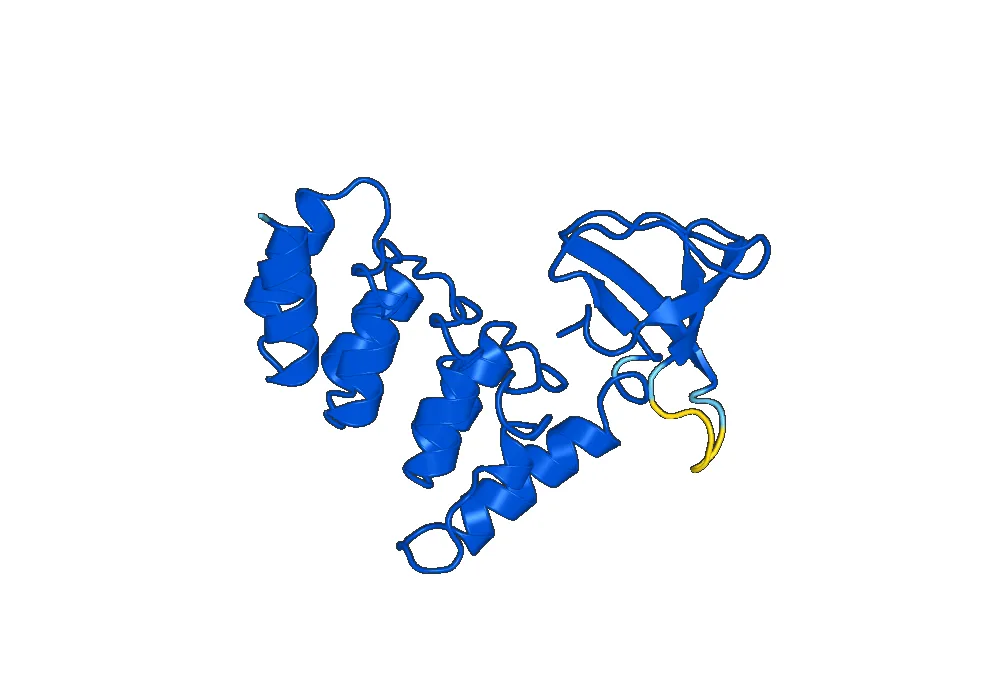
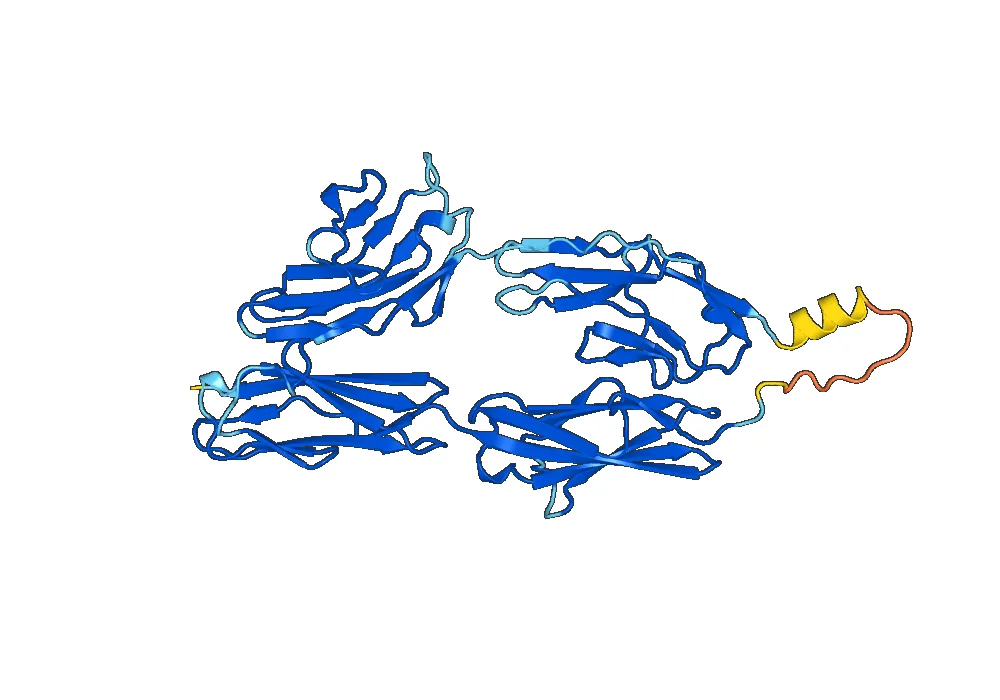
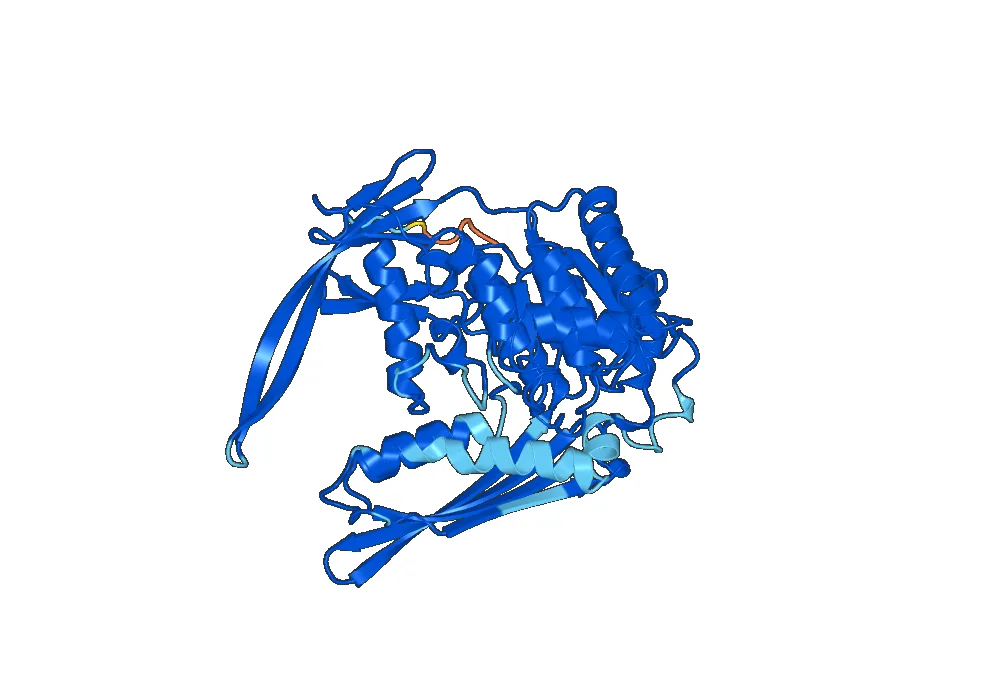
The OPTN gene is located on chromosome 10 and encodes a 577 amino acid protein. The recombinant human OPTN protein is produced by cloning and expressing the OPTN gene in a suitable host cell, such as Escherichia coli or Chinese hamster ovary (CHO) cells. The resulting protein is a homodimer with a molecular weight of approximately 67 kDa.
The primary structure of OPTN protein consists of multiple functional domains, including a ubiquitin-binding domain, an N-terminal coiled-coil domain, and a C-terminal zinc finger domain. These domains play a crucial role in the protein’s activity and interactions with other cellular components.
Activity of Recombinant Human OPTN Protein
OPTN protein is involved in various cellular processes, including autophagy, vesicle trafficking, and immune response. It acts as a receptor for ubiquitin and regulates the degradation of damaged or misfolded proteins through the autophagy pathway. It also plays a role in the transport of vesicles within the cell and is essential for maintaining cellular homeostasis.
Moreover, OPTN protein has been shown to interact with several proteins involved in the immune response, such as tumor necrosis factor receptor-associated factor 6 (TRAF6) and nuclear factor kappa B (NF-κB). These interactions suggest a potential role of OPTN in regulating the inflammatory response and immune cell function.
Applications of Recombinant Human OPTN Protein
Due to its diverse functions, recombinant human OPTN protein has several potential applications in the fields of research and medicine.
One of the primary applications of OPTN protein is in studying autophagy and its role in various diseases. Recombinant OPTN protein can be used to study the mechanisms of autophagy and its dysregulation in diseases such as neurodegenerative disorders and cancer.
In addition, OPTN protein has been implicated in various immune-related disorders, making it a potential therapeutic target. Recombinant OPTN protein can be used to develop novel therapies for these diseases by modulating its activity or interactions with other proteins.
Furthermore, recombinant OPTN protein has been used in the development of diagnostic assays for diseases such as glaucoma and amyotrophic lateral sclerosis (ALS). Its interaction with TRAF6 has been linked to glaucoma, and measuring the levels of OPTN protein in the eye can aid in early detection and management of the disease. Similarly, the presence of OPTN protein in the cerebrospinal fluid can serve as a biomarker for ALS.
Conclusion
In conclusion, recombinant human OPTN protein is a versatile protein with multiple functions and potential applications. Its structure, activity, and interactions make it an essential tool in studying autophagy, immune response, and various diseases. With ongoing research, the potential applications of OPTN protein in medicine and biotechnology are likely to expand, making it an exciting area of study for scientists and clinicians alike.


There are no reviews yet.