Introduction
Recombinant Human WASL Protein, also known as Wiskott-Aldrich Syndrome Protein (WASP), is a key component of the actin cytoskeleton and plays a crucial role in cell movement and shape. This protein is encoded by the WAS gene and is responsible for the development of Wiskott-Aldrich Syndrome, a rare genetic disorder characterized by immunodeficiency, eczema, and thrombocytopenia. In recent years, recombinant human WASL protein has gained significant attention in the scientific community due to its potential therapeutic applications in various diseases.
Structure of Recombinant Human WASL Protein
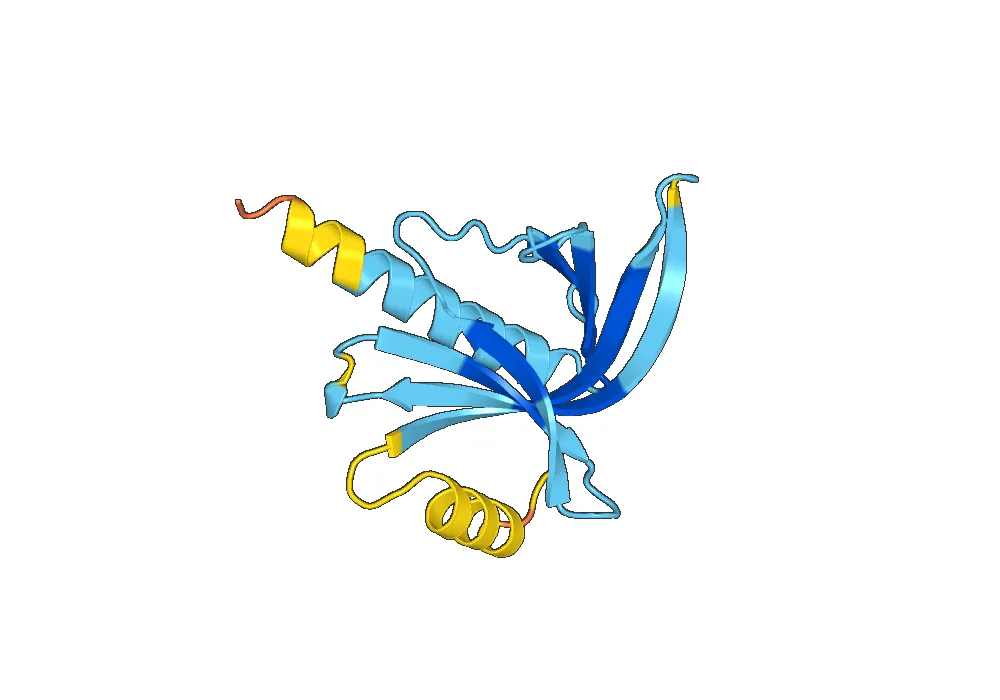
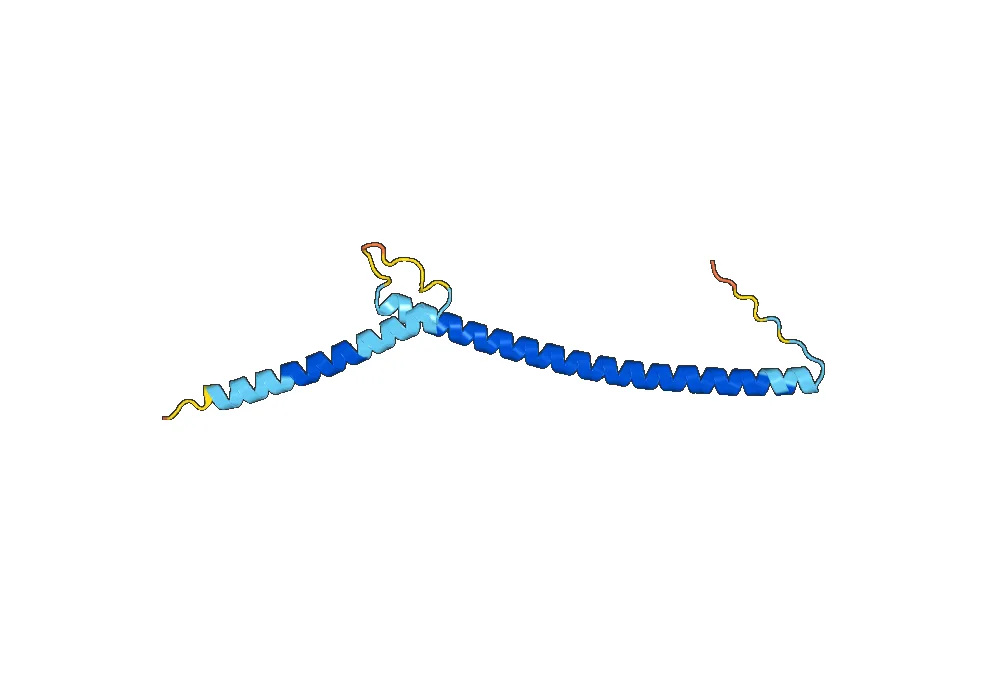
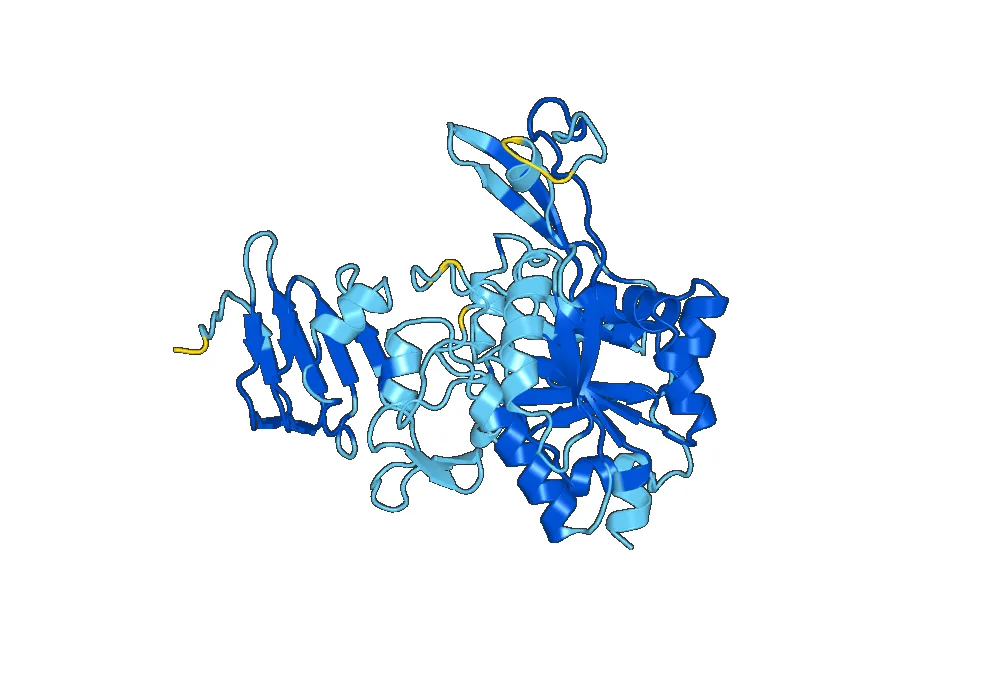
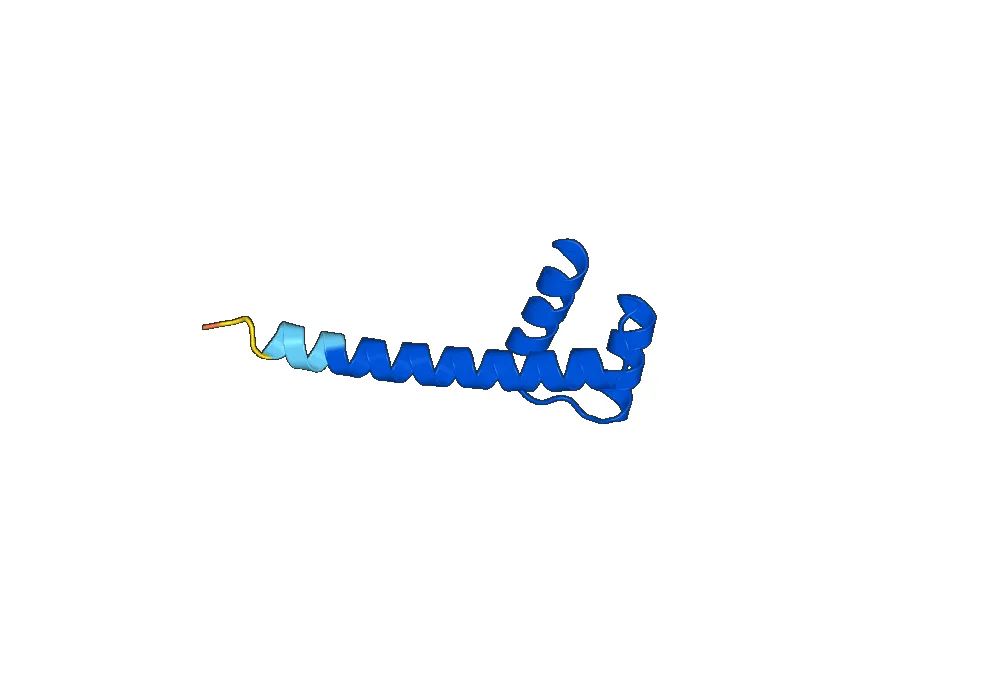
Recombinant human WASL protein is a 502 amino acid long protein with a molecular weight of 55 kDa. It consists of several functional domains, including the N-terminal WASP homology 1 (WH1) domain, the central proline-rich region (PRR), and the C-terminal verprolin homology, central, acidic (VCA) domain. The WH1 domain is responsible for binding to the actin monomer, while the PRR domain interacts with various proteins, including actin-binding proteins and signaling molecules. The VCA domain is crucial for nucleating actin polymerization and regulating the activity of the protein.
Activity of Recombinant Human WASL Protein
Recombinant human WASL protein is a key regulator of actin dynamics in cells. It is involved in the formation of actin filaments, which are essential for various cellular processes such as cell migration, adhesion, and division. The WH1 domain of WASP binds to the actin monomer, promoting its polymerization and forming actin filaments. The PRR domain of WASP interacts with other proteins, such as the Arp2/3 complex, to facilitate actin filament branching and cross-linking. Additionally, the VCA domain of WASP activates the Arp2/3 complex, leading to the formation of branched actin networks.
Applications of Recombinant Human WASL Protein
1. Treatment of Wiskott-Aldrich Syndrome
Recombinant human WASL protein has shown promising results in the treatment of Wiskott-Aldrich Syndrome. Patients with this disorder have mutations in the WAS gene, resulting in the absence or dysfunction of WASP. This leads to impaired actin dynamics, which affects the function of immune cells. Recombinant human WASL protein can be used to supplement the defective WASP, restoring actin dynamics and improving immune function in these patients.
2. Cancer Therapy
Actin dynamics play a crucial role in cancer cell migration and invasion. Recombinant human WASL protein has been shown to inhibit the migration and invasion of cancer cells by regulating actin dynamics. Additionally, it has been found to sensitize cancer cells to chemotherapy, making it a potential adjuvant therapy for cancer treatment.
3. Neurological Disorders
Actin dynamics have also been implicated in various neurological disorders, such as Alzheimer’s disease and Parkinson’s disease. Recombinant human WASL protein has shown neuroprotective effects in animal models of these diseases by promoting actin polymerization and enhancing neuronal function.
4. Wound Healing
Actin dynamics are essential for the migration of cells during wound healing. Recombinant human WASL protein has been found to accelerate wound healing by promoting actin polymerization and enhancing cell migration. This makes it a potential therapeutic agent for the treatment of chronic wounds.
Conclusion
In conclusion, recombinant human WASL protein is a crucial component of the actin cytoskeleton and plays a vital role in various cellular processes. Its structure, activity, and potential applications make it a promising target for therapeutic interventions in diseases such as Wiskott-Aldrich Syndrome, cancer, neurological disorders, and wound healing. Further research and development of this protein may lead to new treatment options for these and other diseases.
There are no reviews yet.