Introduction
Recombinant Human KIF2C Protein, also known as Kinesin-like protein 2C, is a motor protein that plays a crucial role in cell division and chromosome segregation. It is a member of the kinesin superfamily, which are a diverse group of proteins involved in various cellular processes such as intracellular transport, cell division, and cell signaling.
Structure of Recombinant Human KIF2C Protein
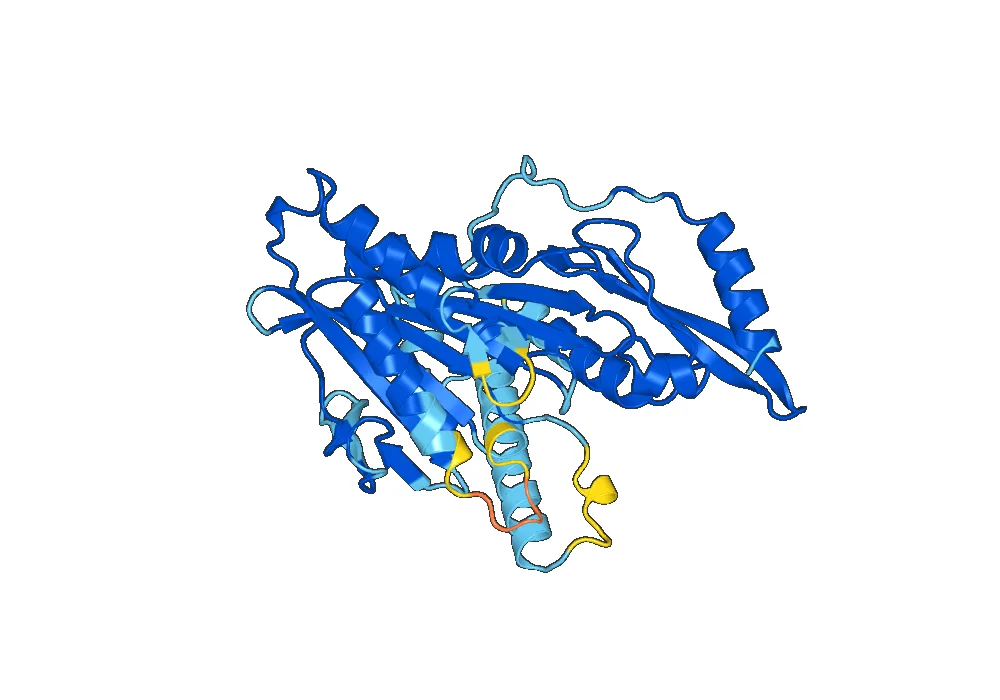
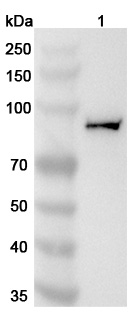
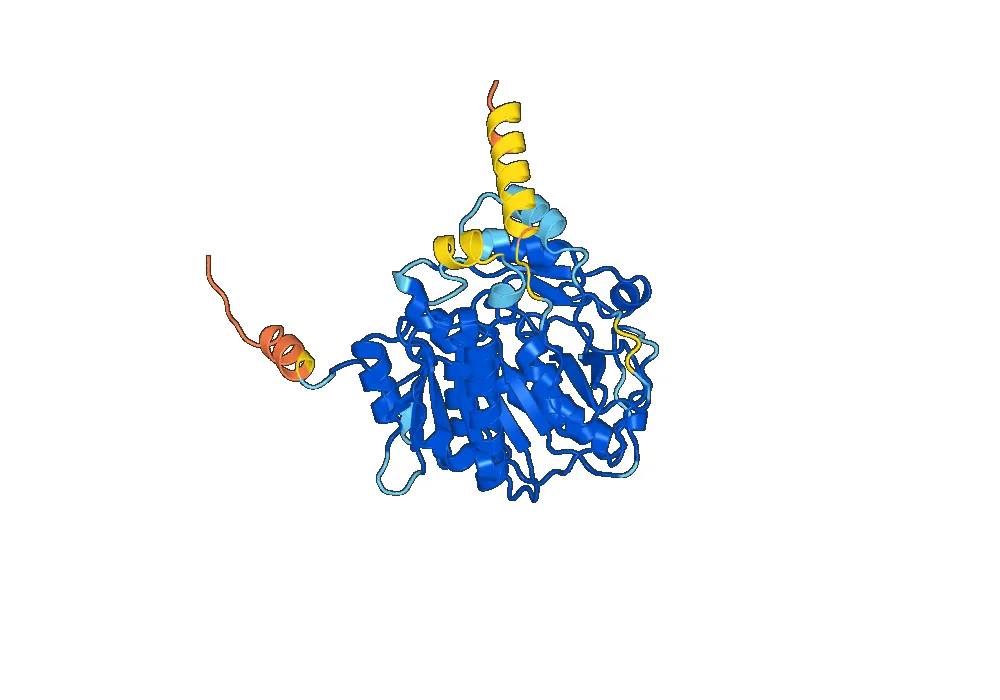
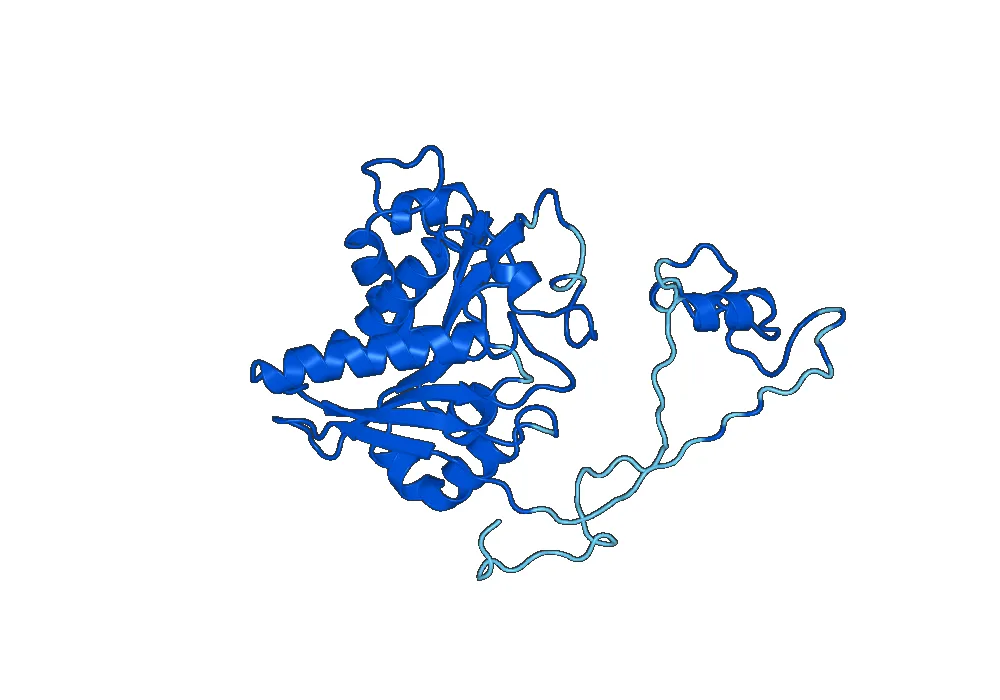
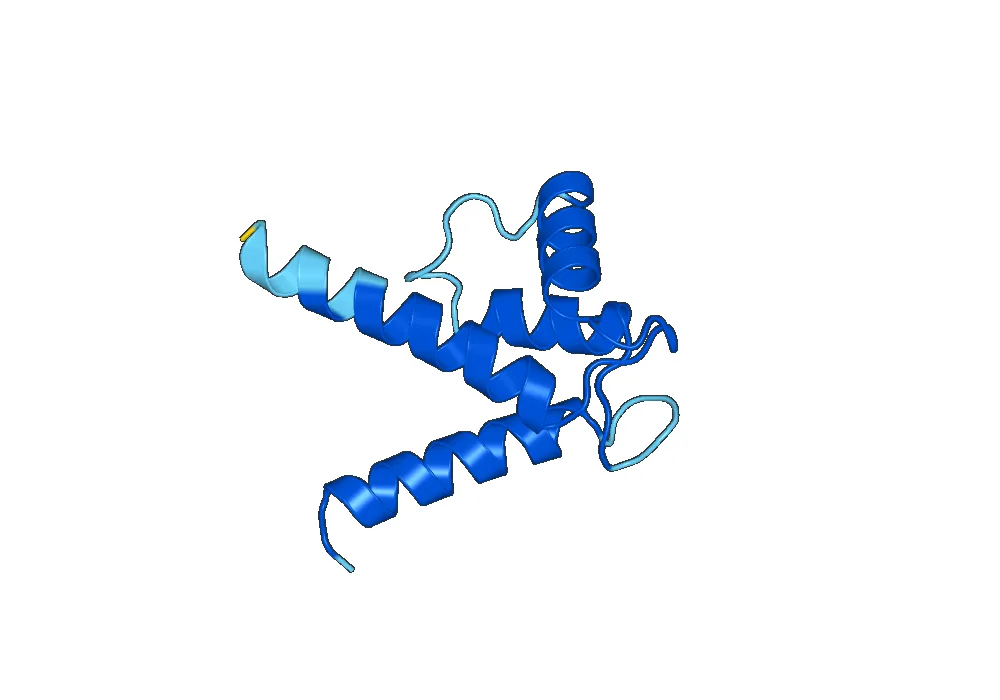
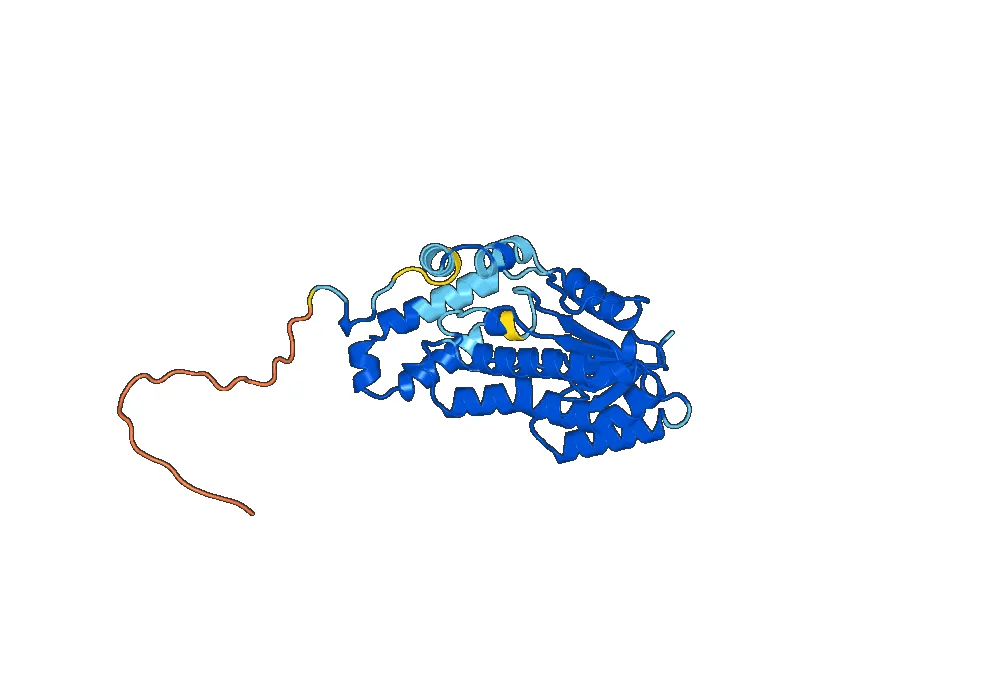
The Recombinant Human KIF2C Protein is a 120 kDa protein consisting of 1056 amino acids. It is composed of three main domains: the N-terminal motor domain, the central coiled-coil domain, and the C-terminal cargo-binding domain. The motor domain contains the ATPase activity responsible for the movement of the protein along microtubules, while the coiled-coil domain provides structural stability. The cargo-binding domain is responsible for binding to various proteins and structures within the cell, allowing for targeted movement and function.
Activity of Recombinant Human KIF2C Protein
The primary function of Recombinant Human KIF2C Protein is to facilitate chromosome segregation during cell division. It does this by interacting with microtubules, which are long, hollow fibers that form the cell’s cytoskeleton. During mitosis, KIF2C is responsible for the separation of duplicated chromosomes, ensuring that each daughter cell receives a complete set of genetic material.
In addition to its role in cell division, Recombinant Human KIF2C Protein has also been found to play a role in other cellular processes, such as intracellular transport and cell signaling. It has been shown to interact with various proteins involved in these processes, suggesting a potential role in regulating their function.
Application of Recombinant Human KIF2C Protein
The unique structure and activity of Recombinant Human KIF2C Protein make it a valuable tool for various research applications. One of its main applications is in the study of cell division and chromosome segregation. By studying the function of KIF2C, researchers can gain a better understanding of the mechanisms involved in these processes and their role in diseases such as cancer.
Recombinant Human KIF2C Protein has also been used in studies exploring its role in intracellular transport and cell signaling. Its ability to interact with various proteins and structures within the cell makes it a valuable tool for investigating the complex network of interactions that regulate these processes.
Furthermore, Recombinant Human KIF2C Protein has potential therapeutic applications. As it plays a crucial role in cell division, targeting KIF2C could potentially be used to inhibit the growth of cancer cells. Additionally, its involvement in intracellular transport and cell signaling suggests it could be a potential target for drug development in various diseases.
Conclusion
In summary, Recombinant Human KIF2C Protein is a crucial motor protein involved in cell division, intracellular transport, and cell signaling. Its unique structure and activity make it a valuable tool for studying these processes and their potential therapeutic applications. Further research on this protein could lead to a better understanding of its role in various cellular processes and potential treatments for diseases associated with its dysfunction.
There are no reviews yet.