Title: Introduction to Recombinant Human GPR183 Protein
Recombinant Human GPR183 Protein, also known as G-protein coupled receptor 183, is a protein that plays a crucial role in the immune system. It is a member of the G protein-coupled receptor (GPCR) family, which are cell surface receptors that mediate a wide range of physiological processes. This protein is encoded by the GPR183 gene and is highly expressed in immune cells such as B cells, T cells, and dendritic cells. In this article, we will explore the structure, activity, and applications of Recombinant Human GPR183 Protein.
Title: Structure of Recombinant Human GPR183 Protein
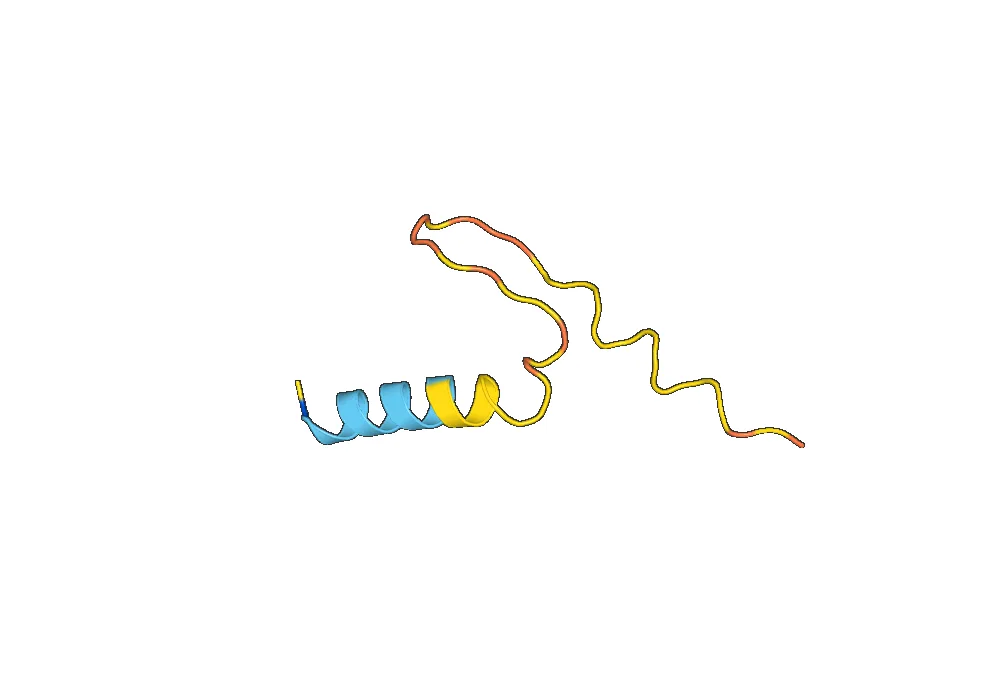
Recombinant Human GPR183 Protein is a transmembrane protein that consists of 362 amino acids. It has a molecular weight of approximately 41 kDa and is composed of seven transmembrane helices connected by three extracellular loops and three intracellular loops. The N-terminus of the protein is located on the extracellular side, while the C-terminus is located on the intracellular side. This structure is characteristic of GPCRs, which are known for their ability to interact with a wide range of ligands and activate downstream signaling pathways.
Title: Activity of Recombinant Human GPR183 Protein
Recombinant Human GPR183 Protein is a receptor for the lipid molecule, 7α,25-dihydroxycholesterol (7α,25-OHC). Upon binding of 7α,25-OHC, the receptor undergoes a conformational change, leading to the activation of downstream signaling pathways. This results in the production of chemokines and cytokines, which play a crucial role in the immune response. The activation of Recombinant Human GPR183 Protein also leads to the recruitment and activation of immune cells, such as B cells and T cells, to sites of inflammation or infection.
Title: Applications of Recombinant Human GPR183 Protein
Recombinant Human GPR183 Protein has various applications in the field of immunology and drug discovery. Its role in the immune response makes it a potential target for the development of therapeutic agents for various immune-related diseases. For example, targeting this protein could be beneficial in the treatment of autoimmune diseases, such as multiple sclerosis and rheumatoid arthritis. Additionally, Recombinant Human GPR183 Protein has been shown to play a role in the development and function of immune cells, making it a potential target for immunomodulatory drugs.
Title: Recombinant Human GPR183 Protein as an Antigen for Research
Recombinant Human GPR183 Protein is also commonly used as an antigen in research studies. It can be produced in recombinant form using various expression systems, such as bacteria, yeast, and mammalian cells. This allows for the production of large quantities of the protein for use in various assays and experiments. Recombinant Human GPR183 Protein is commonly used as an antigen in antibody production, as well as in functional studies to understand its role in immune cell signaling and activation.
Title: Conclusion
In conclusion, Recombinant Human GPR183 Protein is a transmembrane protein that plays a crucial role in the immune system. Its structure, activity, and applications make it an important protein for research and drug discovery. As our understanding of this protein continues to grow, it is likely to become an even more important target for the development of therapeutics for immune-related diseases.

There are no reviews yet.