Introduction
Recombinant human GPX5 protein, also known as Glutathione Peroxidase 5, is a key enzyme involved in the regulation of oxidative stress in cells. This protein is an important component of the antioxidant defense system and plays a crucial role in maintaining cellular homeostasis. In this article, we will discuss the structure, activity, and applications of recombinant human GPX5 protein.
Structure of Recombinant Human GPX5 Protein
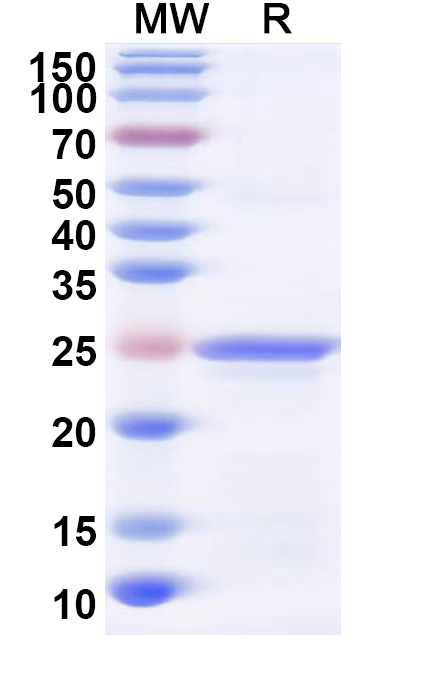
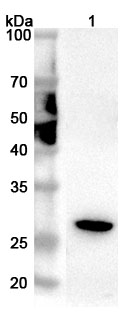
The human GPX5 gene is located on chromosome 6 and encodes a protein with a molecular weight of approximately 22 kDa. The recombinant human GPX5 protein is produced by cloning the human GPX5 gene into an expression vector and expressing it in a suitable host cell. The resulting protein is a homodimer, with each monomer consisting of 183 amino acids.
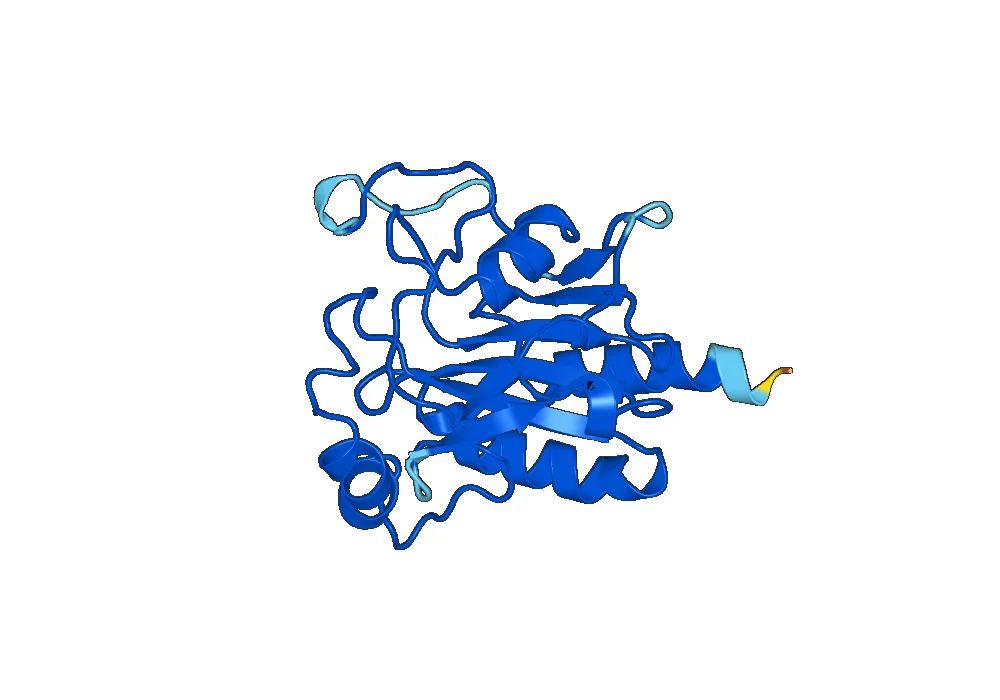
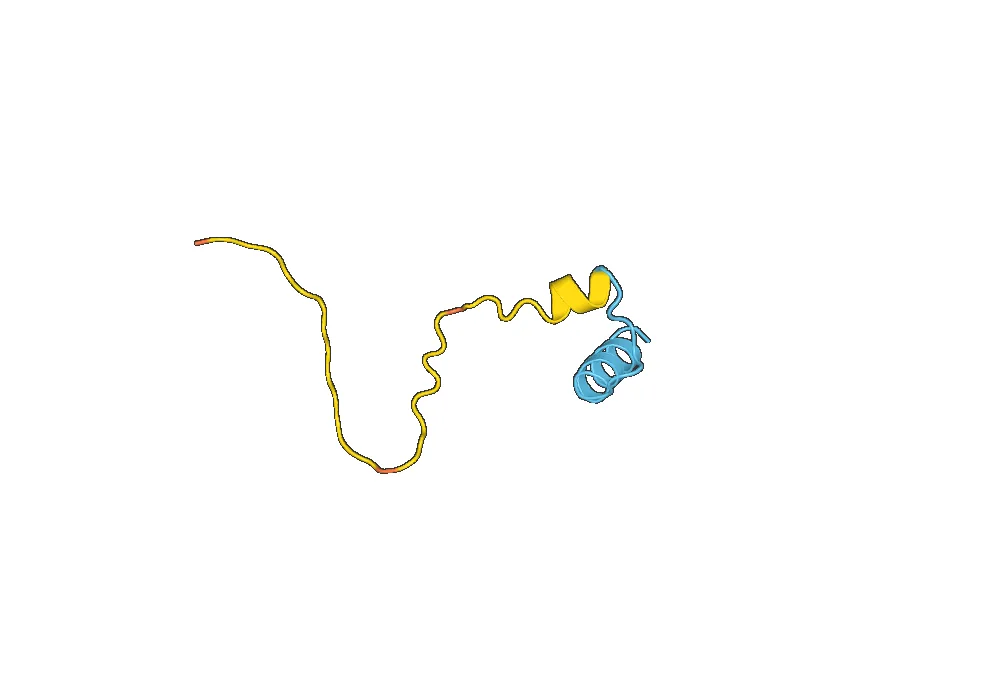
The structure of recombinant human GPX5 protein is similar to other members of the glutathione peroxidase family, with a conserved selenocysteine residue at the active site. This selenocysteine residue is essential for the catalytic activity of the protein and is responsible for the reduction of hydrogen peroxide and organic hydroperoxides.
Activity of Recombinant Human GPX5 Protein
The primary function of recombinant human GPX5 protein is to protect cells from oxidative damage by reducing hydrogen peroxide and organic hydroperoxides. This is achieved through the catalytic activity of the protein, which converts these harmful compounds into water and alcohols. This process helps to maintain the redox balance in cells and prevents the accumulation of reactive oxygen species (ROS) that can cause cellular damage.
In addition to its catalytic activity, recombinant human GPX5 protein also has a role in regulating cell signaling pathways. Studies have shown that this protein can modulate the activity of transcription factors such as NF-κB and AP-1, which are involved in the inflammatory response. By regulating these pathways, recombinant human GPX5 protein can help to reduce inflammation and protect cells from damage.
Applications of Recombinant Human GPX5 Protein
Recombinant human GPX5 protein has a wide range of applications in both research and clinical settings. One of the most common uses of this protein is in the study of oxidative stress and its role in various diseases. By measuring the activity of recombinant human GPX5 protein, researchers can assess the level of oxidative stress in cells and tissues, and its potential impact on disease progression.
In addition, recombinant human GPX5 protein has been studied for its potential therapeutic applications. Studies have shown that this protein can protect cells from oxidative damage in various disease models, including neurodegenerative diseases, cardiovascular diseases, and cancer. This has led to the development of potential GPX5-based therapies for these conditions.
Furthermore, recombinant human GPX5 protein has also been used as an antigen in diagnostic assays for certain diseases. Antibodies against this protein have been used to detect the presence of GPX5 in patient samples, which can be indicative of certain diseases or conditions.
Conclusion
In summary, recombinant human GPX5 protein is a crucial component of the antioxidant defense system and plays a vital role in maintaining cellular homeostasis. Its structure, activity, and applications make it a valuable tool for studying oxidative stress and its role in various diseases. With further research and development, recombinant human GPX5 protein has the potential to be used as a therapeutic agent for a range of diseases.


There are no reviews yet.