Introduction
Recombinant Human HDAC1 Protein is a highly purified, bioactive protein that is produced in a laboratory using recombinant DNA technology. This protein is a member of the histone deacetylase (HDAC) family and plays a crucial role in regulating gene expression and chromatin structure. In this article, we will discuss the structure, activity, and applications of Recombinant Human HDAC1 Protein.
Structure of Recombinant Human HDAC1 Protein
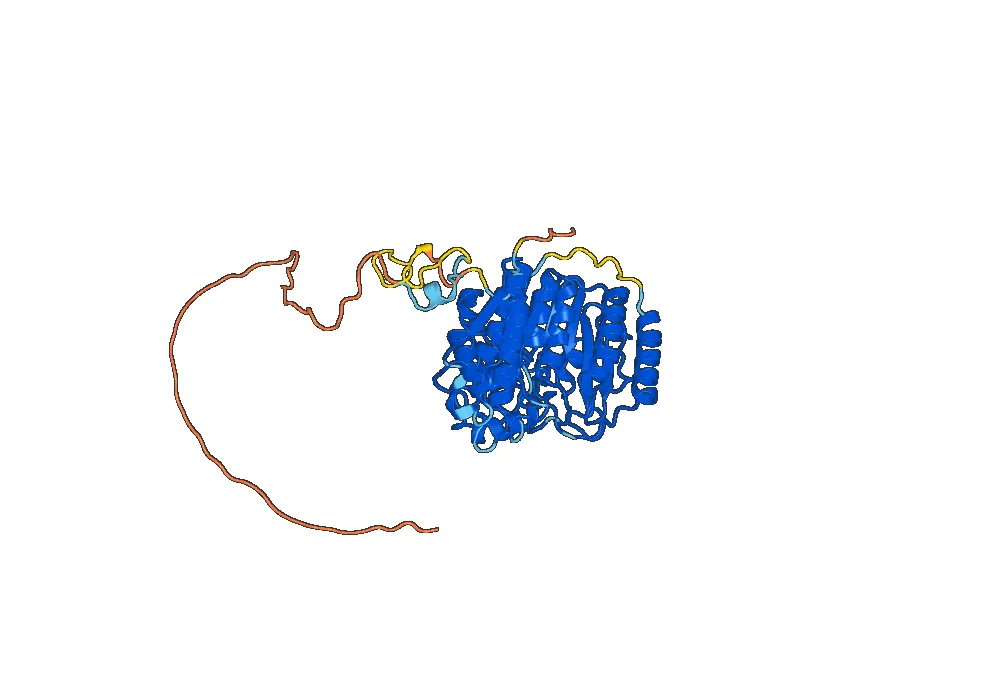
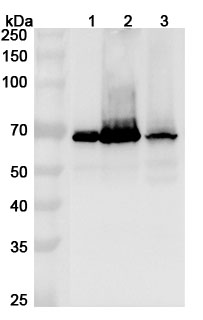
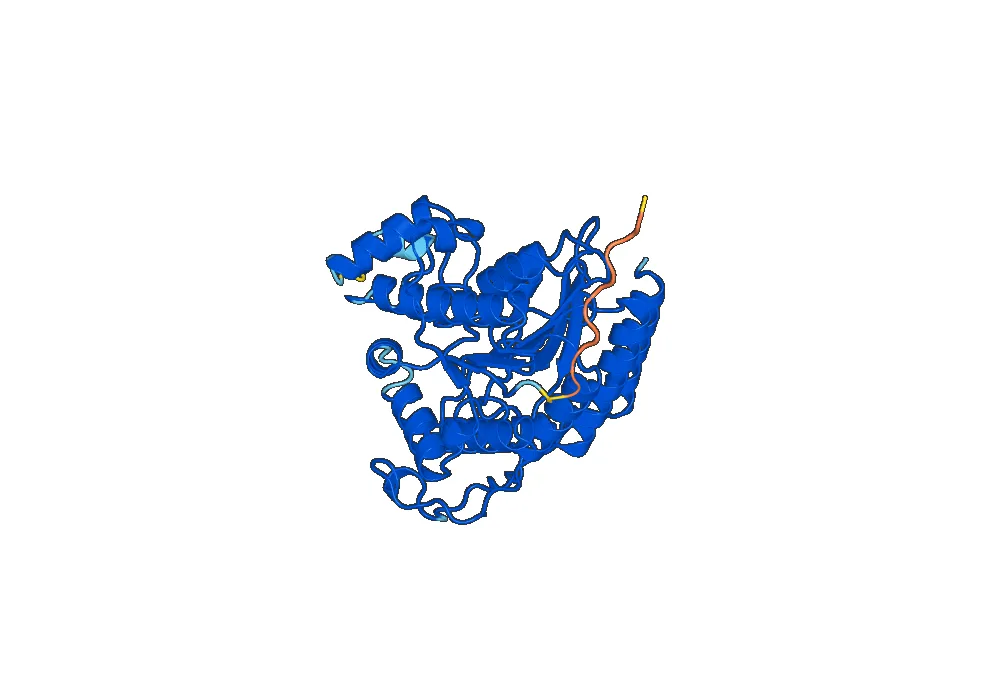
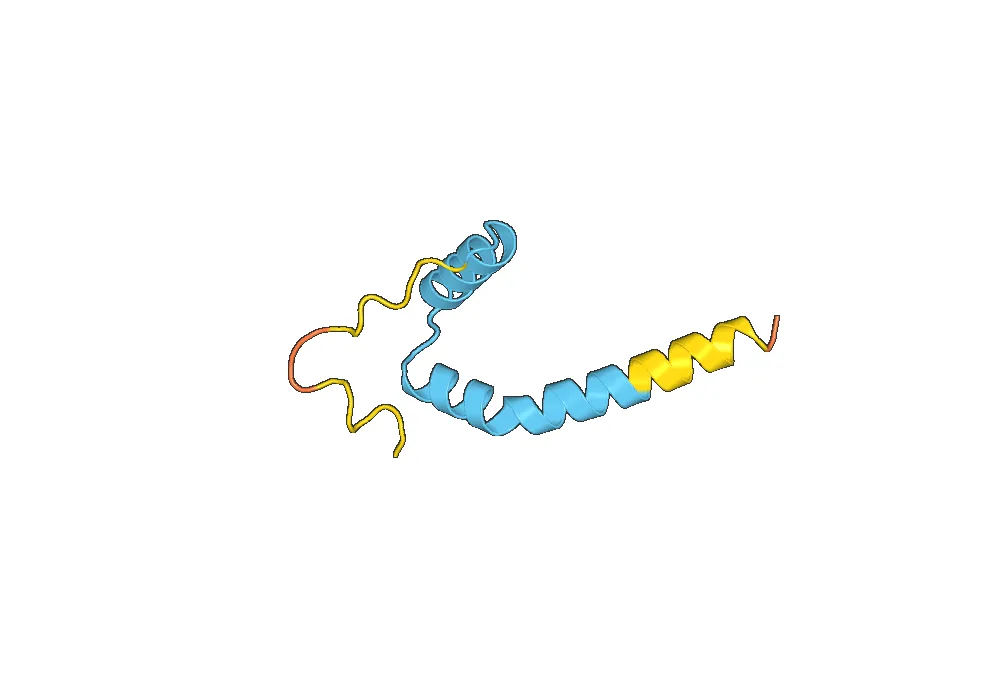
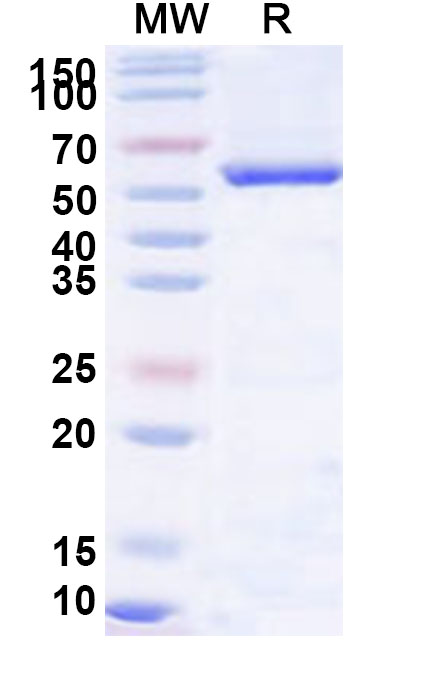
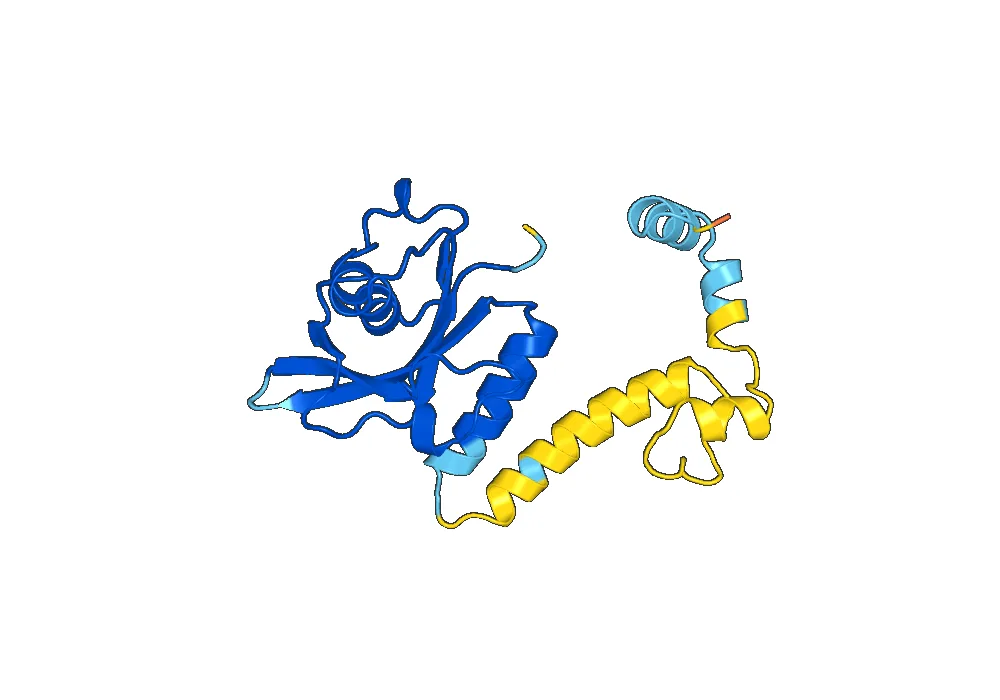
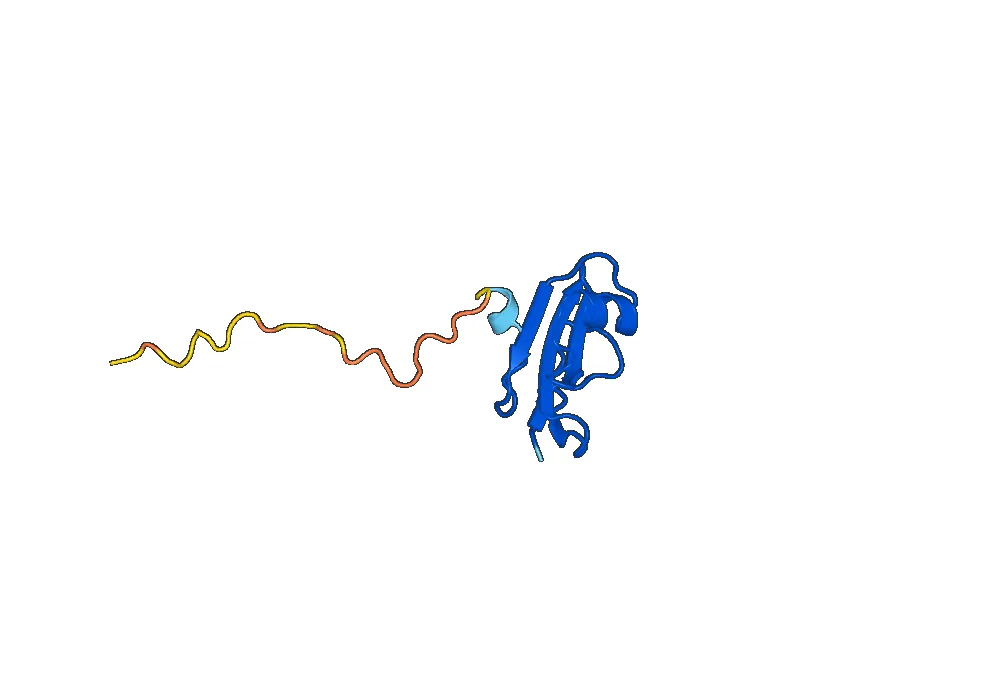
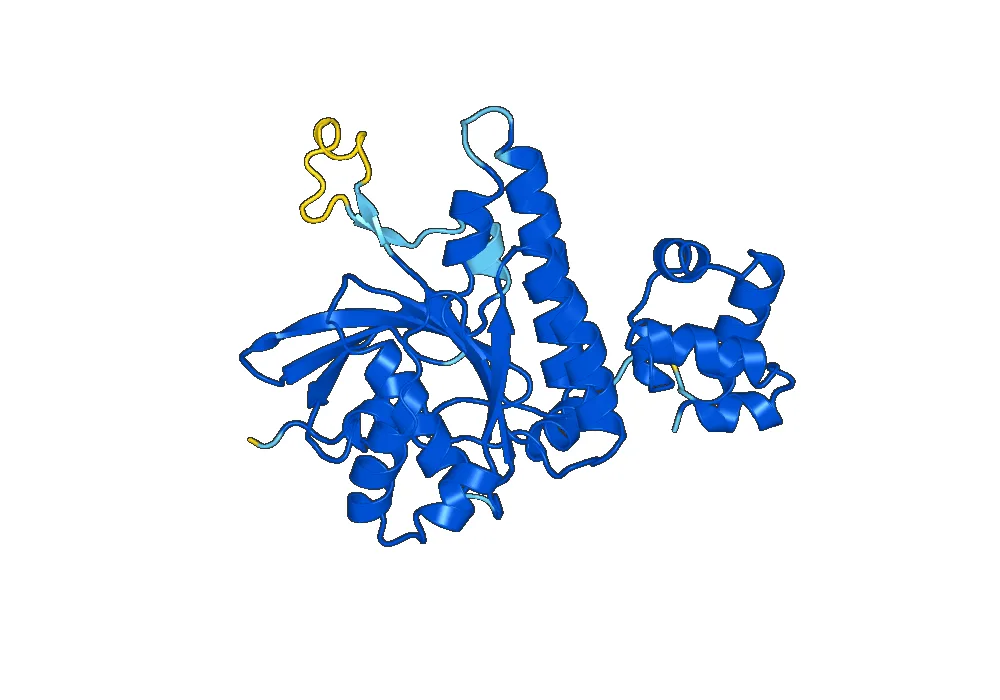
Recombinant Human HDAC1 Protein is a 55 kDa protein that consists of 482 amino acids. It contains a catalytic domain, a nuclear localization signal, and a C-terminal domain. The catalytic domain is responsible for the deacetylase activity of the protein, while the C-terminal domain is involved in protein-protein interactions. The nuclear localization signal allows the protein to enter the nucleus and carry out its functions.
Activity of Recombinant Human HDAC1 Protein
Recombinant Human HDAC1 Protein is a zinc-dependent enzyme that catalyzes the removal of acetyl groups from lysine residues on histone proteins. This activity is essential for regulating gene expression, as acetylated histones are associated with active gene transcription, while deacetylated histones are associated with gene silencing. HDAC1 is known to target histones H3 and H4, as well as non-histone proteins such as transcription factors and DNA repair proteins.
The activity of Recombinant Human HDAC1 Protein is regulated by various mechanisms, including post-translational modifications, protein-protein interactions, and cellular localization. For example, phosphorylation of specific residues can enhance or inhibit the deacetylase activity of HDAC1. Additionally, HDAC1 can interact with other proteins, such as transcription factors, to regulate its activity and target specificity.
Applications of Recombinant Human HDAC1 Protein
Due to its important role in gene regulation, Recombinant Human HDAC1 Protein has been widely used in various research applications. One of its main applications is in studying epigenetics, as HDAC1 is involved in modifying histones and regulating gene expression. By using Recombinant Human HDAC1 Protein, researchers can investigate the role of HDAC1 in different cellular processes and diseases.
Furthermore, Recombinant Human HDAC1 Protein has been used in drug discovery and development. HDAC inhibitors, which block the activity of HDAC enzymes, have shown potential in treating various diseases, including cancer, neurodegenerative disorders, and inflammatory diseases. Recombinant Human HDAC1 Protein is used to test the efficacy and specificity of these inhibitors, as well as to study their mechanisms of action.
Another application of Recombinant Human HDAC1 Protein is in protein-protein interaction studies. As HDAC1 is known to interact with various proteins, researchers can use this protein to investigate these interactions and their role in different cellular processes. This information can provide valuable insights into the functions of HDAC1 and its potential as a therapeutic target.
Conclusion
In summary, Recombinant Human HDAC1 Protein is a crucial enzyme involved in regulating gene expression and chromatin structure. Its structure, activity, and applications make it a valuable tool in various areas of scientific research, including epigenetics, drug discovery, and protein-protein interaction studies. With ongoing research and advancements in recombinant protein technology, Recombinant Human HDAC1 Protein continues to play a significant role in advancing our understanding of cellular processes and diseases.
There are no reviews yet.