Introduction
Recombinant Human IFT52 Protein, also known as Intraflagellar Transport Protein 52, is a protein that plays a crucial role in the formation and maintenance of cilia, which are hair-like structures found on the surface of cells. This protein is produced through recombinant DNA technology, making it a highly purified and bioactive protein with numerous applications in the field of cell biology and biotechnology.
Structure
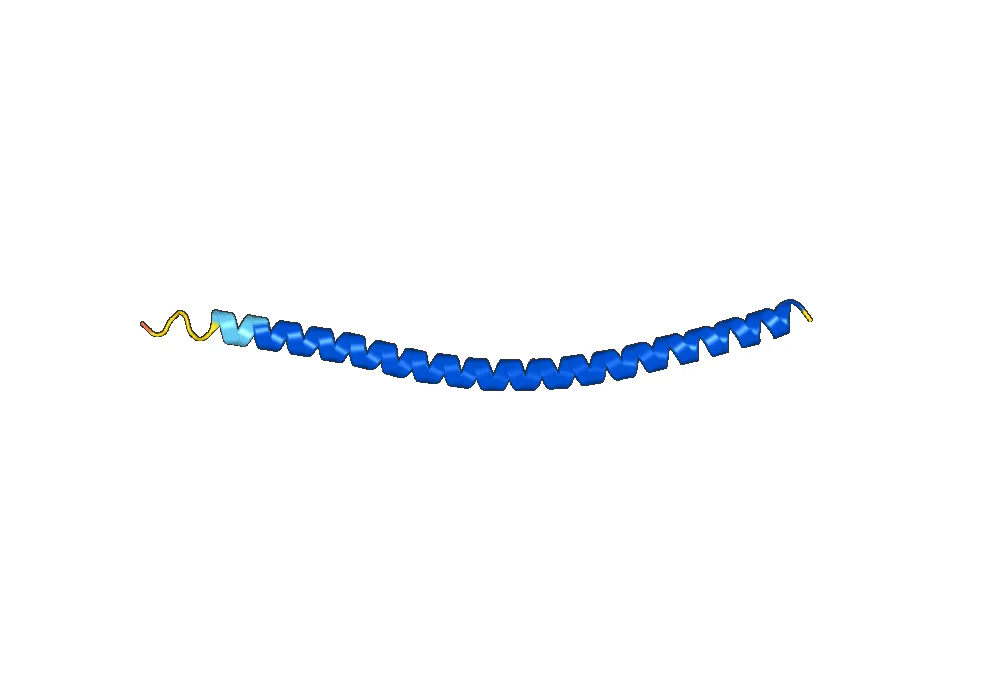
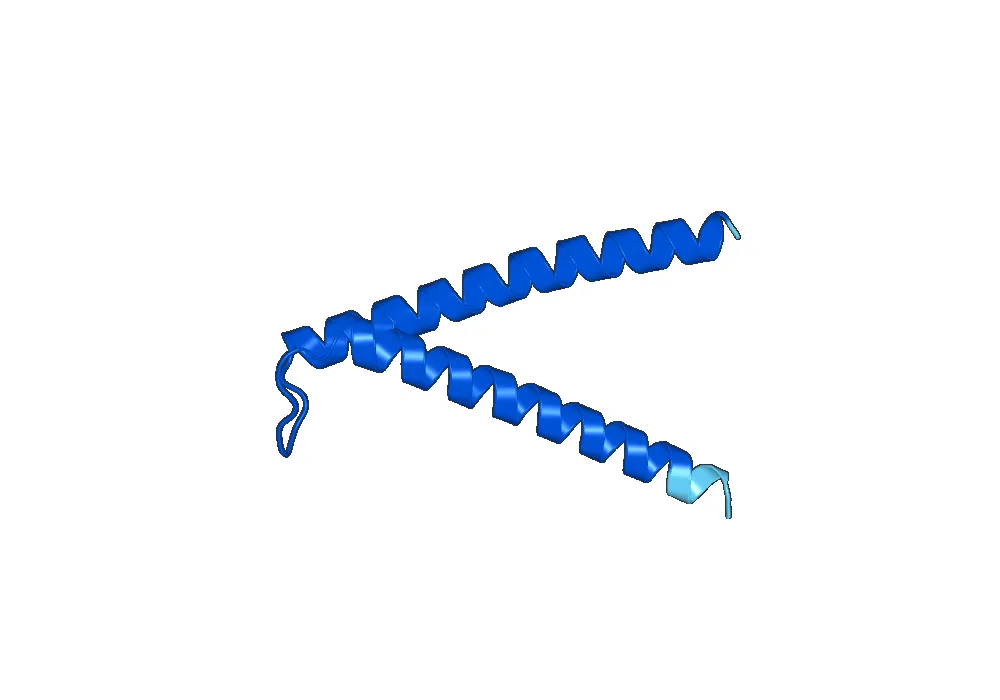
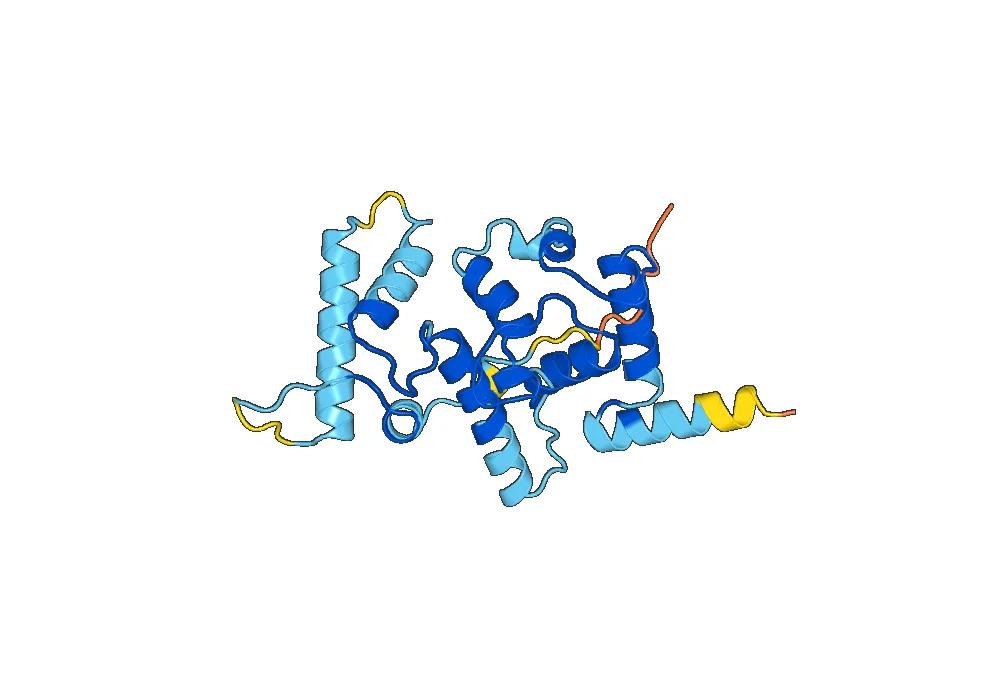
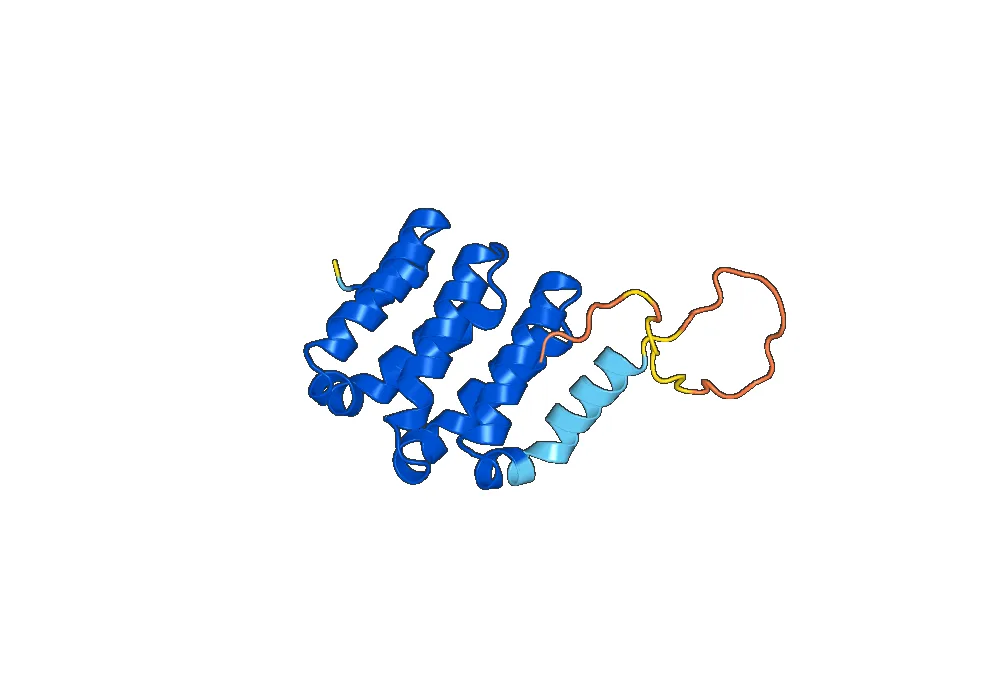
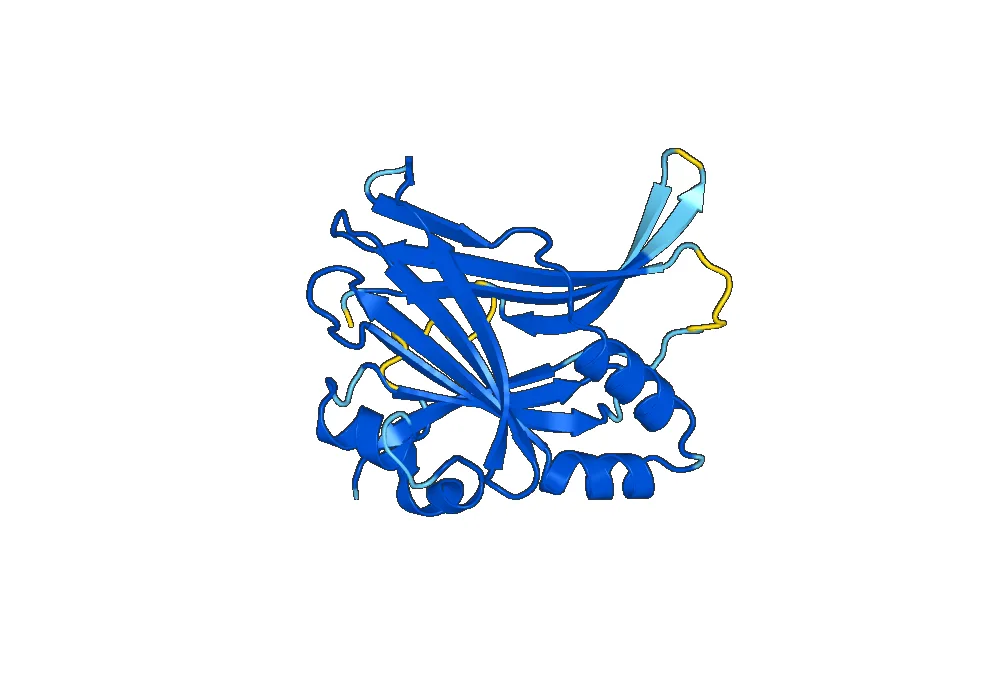
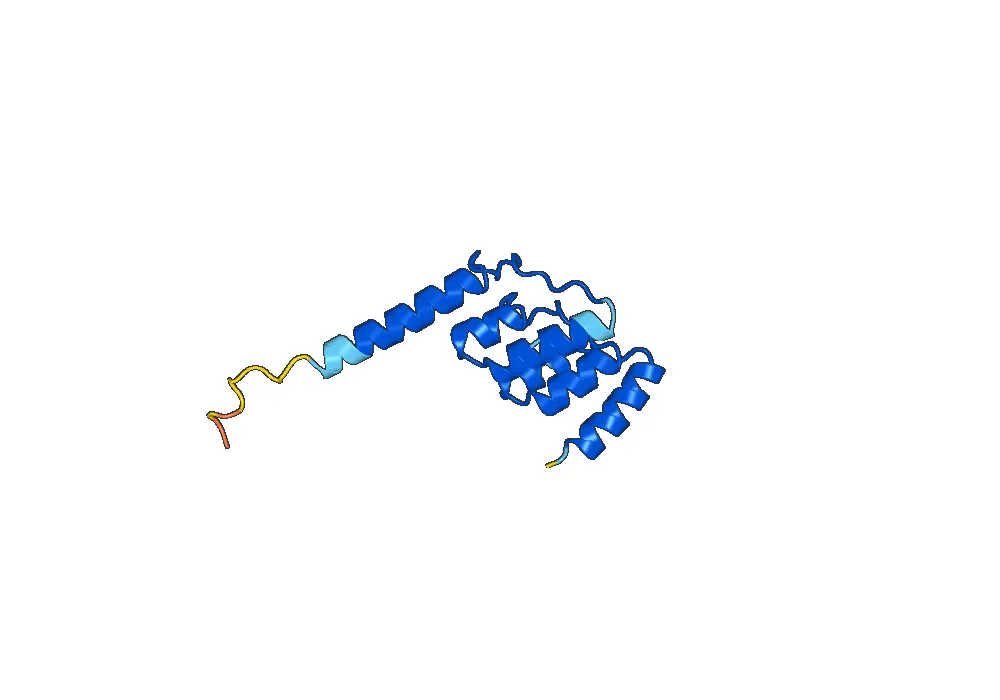
The Recombinant Human IFT52 Protein is a 52 kDa protein composed of 473 amino acids. It belongs to the intraflagellar transport (IFT) protein family and contains a coiled-coil domain, which is important for protein-protein interactions. This protein is highly conserved among different species, indicating its essential role in cilia formation and function.
Function
The primary function of Recombinant Human IFT52 Protein is to facilitate the transport of proteins and other molecules along the length of the cilium. This process, known as intraflagellar transport, is crucial for the assembly and maintenance of cilia, which are involved in various cellular processes such as cell signaling, movement, and sensory perception. IFT52 specifically plays a role in the formation of the ciliary axoneme, which is the core structure of the cilium.
Application
Recombinant Human IFT52 Protein has a wide range of applications in both research and industrial settings. Some of its key applications include:
1. Study of Ciliopathies
Ciliopathies are a group of genetic disorders caused by defects in cilia formation and function. Recombinant Human IFT52 Protein can be used to study the role of this protein in ciliogenesis and its potential involvement in ciliopathies. It can also be used to investigate the molecular mechanisms underlying these disorders.
2. Cell Signaling Studies
Cilia play a crucial role in cell signaling by serving as a platform for various signaling molecules. Recombinant Human IFT52 Protein can be used to study the role of cilia in cell signaling and the specific functions of IFT52 in this process.
3. Drug Development
As cilia are involved in numerous cellular processes, including signaling, movement, and sensory perception, they have become attractive targets for drug development. Recombinant Human IFT52 Protein can be used to screen for potential drugs that can modulate cilia function and potentially treat ciliopathies or other diseases associated with cilia dysfunction.
4. Biotechnology
Recombinant Human IFT52 Protein can also be used in biotechnology applications, such as the production of cilia-based biosensors. These biosensors can be used to detect specific molecules or environmental changes, making them useful for various diagnostic and monitoring purposes.
Conclusion
In summary, Recombinant Human IFT52 Protein is a highly purified and bioactive protein that plays a crucial role in cilia formation and function. Its structure, function, and applications make it a valuable tool for studying ciliogenesis, cell signaling, and drug development. With its wide range of applications, this protein has the potential to contribute to the advancement of various fields, from cell biology to biotechnology.

There are no reviews yet.