The Structure of Recombinant Human ITGB6
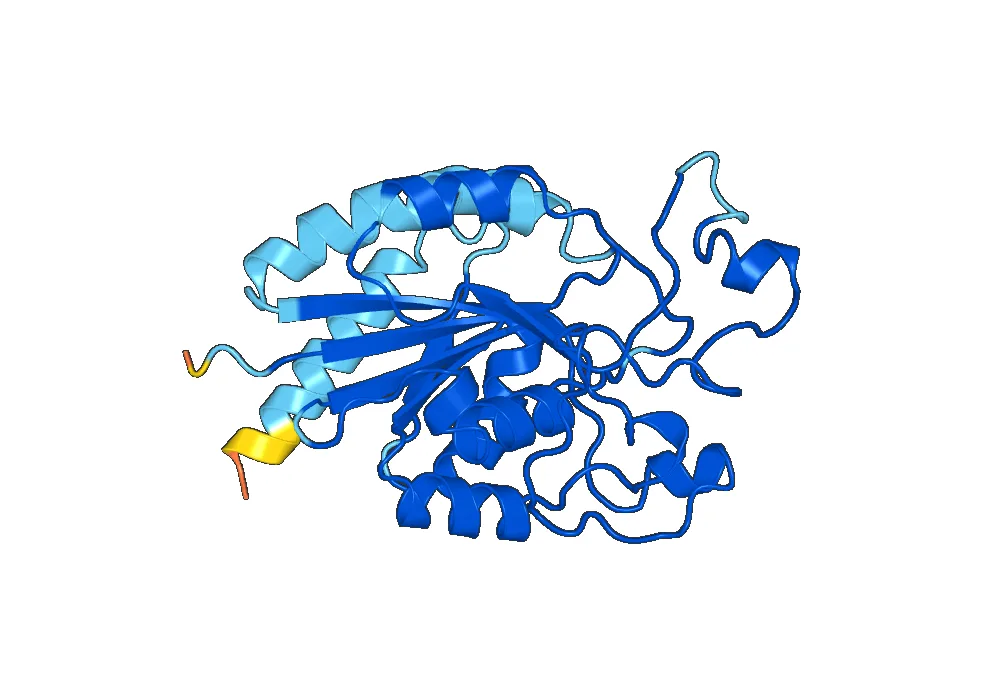
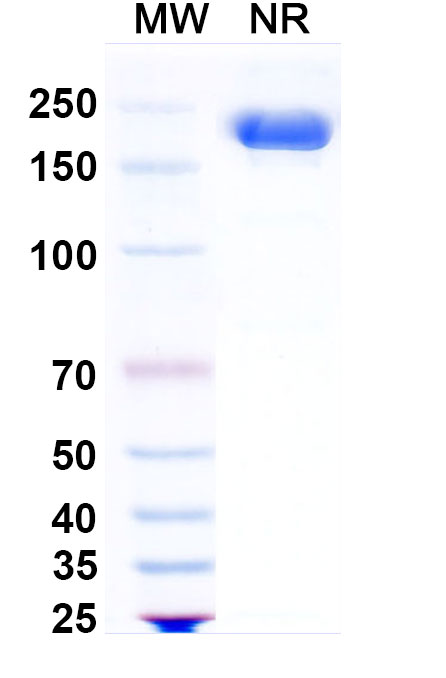
Recombinant Human ITGB6, also known as Integrin Beta-6, is a protein that is composed of 788 amino acids with a molecular weight of approximately 87 kDa. It belongs to the integrin family of cell surface receptors and is a heterodimeric protein consisting of an alpha and beta subunit. The alpha subunit is responsible for ligand binding, while the beta subunit is involved in signal transduction.
The primary structure of Recombinant Human ITGB6 is highly conserved among different species, with a sequence identity of 97% between human and mouse. It contains several domains, including a signal peptide, a cysteine-rich region, a von Willebrand factor A domain, a transmembrane domain, and a cytoplasmic tail. The cysteine-rich region is responsible for the formation of disulfide bonds, which are crucial for the stability and function of the protein.
The Activity of Recombinant Human ITGB6
Recombinant Human ITGB6 plays a crucial role in cell adhesion and migration. It is primarily expressed in epithelial cells, where it mediates cell-cell and cell-matrix interactions. This protein is involved in a variety of cellular processes, such as wound healing, tissue remodeling, and embryonic development. It has been shown to interact with various extracellular matrix proteins, including fibronectin, laminin, and collagen.
The activity of Recombinant Human ITGB6 is regulated by its ligand binding and signaling through its cytoplasmic tail. Upon ligand binding, the protein undergoes conformational changes that lead to the activation of its downstream signaling pathways. This results in the recruitment of intracellular proteins, such as focal adhesion kinase (FAK) and Src family kinases, which promote cell adhesion and migration.
The Application of Recombinant Human ITGB6
Recombinant Human ITGB6 has a wide range of applications in both research and clinical settings. One of its primary uses is as a recombinant protein for studying the structure and function of integrin receptors. It can be produced in large quantities using recombinant DNA technology, making it easily accessible for research purposes.
In addition, Recombinant Human ITGB6 has potential therapeutic applications. It has been shown to play a critical role in the progression and metastasis of various cancers, including breast, lung, and pancreatic cancer. Targeting this protein with specific inhibitors could potentially inhibit tumor growth and metastasis. Furthermore, Recombinant Human ITGB6 has been implicated in fibrotic diseases, such as pulmonary fibrosis and liver fibrosis, making it a potential target for therapeutic intervention.
Another potential application of Recombinant Human ITGB6 is in tissue engineering and regenerative medicine. As this protein is involved in wound healing and tissue remodeling, it could be used to promote tissue regeneration in various diseases and injuries. Furthermore, the ability of Recombinant Human ITGB6 to interact with extracellular matrix proteins makes it a promising candidate for improving the integration of artificial tissues with the host tissue.
In conclusion, Recombinant Human ITGB6 is a crucial protein with diverse functions and applications. Its structure, activity, and potential therapeutic and regenerative properties make it a valuable tool for research and a promising target for therapeutic intervention in various diseases. Further studies on this protein could lead to a better understanding of its role in health and disease and potentially open up new avenues for treatment.

There are no reviews yet.