Introduction
Recombinant Human KIAA0586/TALPID3 Protein, also known as TALPID3, is a protein that plays a crucial role in the development of vertebrates. It is encoded by the KIAA0586 gene and is expressed in various tissues, including the brain, heart, and kidneys. This protein has been extensively studied for its structure, activity, and potential applications in various fields of research.
Structure of Recombinant Human KIAA0586/TALPID3 Protein
The recombinant human KIAA0586/TALPID3 protein is a 1281 amino acid long polypeptide with a molecular weight of approximately 140 kDa. It contains several domains, including a coiled-coil domain, a leucine zipper domain, and a C-terminal WD40 repeat domain. The coiled-coil domain is responsible for protein-protein interactions, while the WD40 repeat domain is involved in protein-protein and protein-DNA interactions.
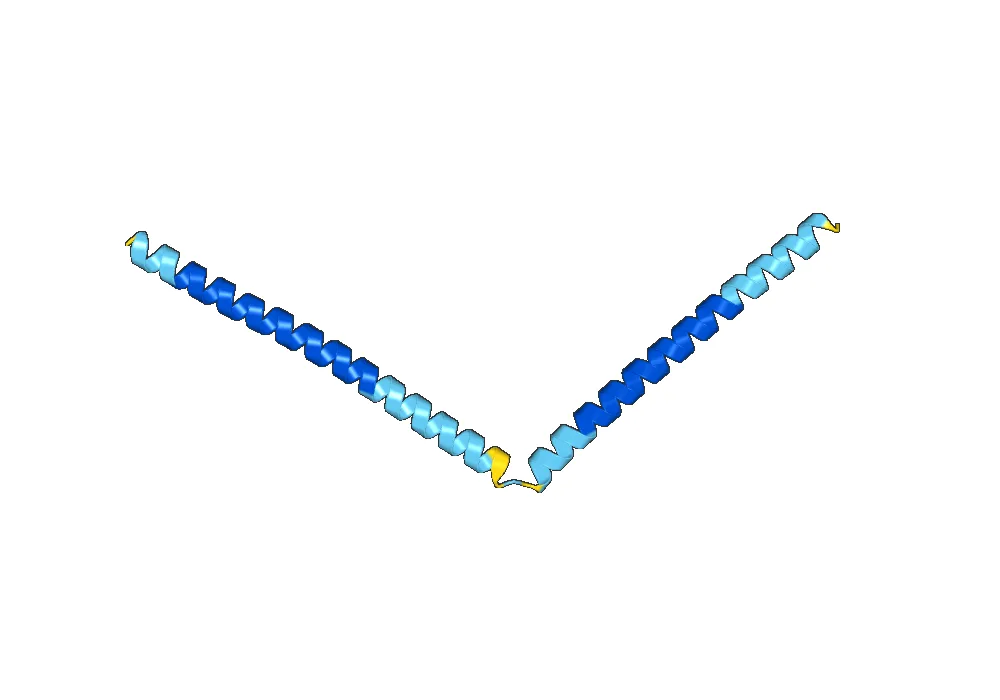
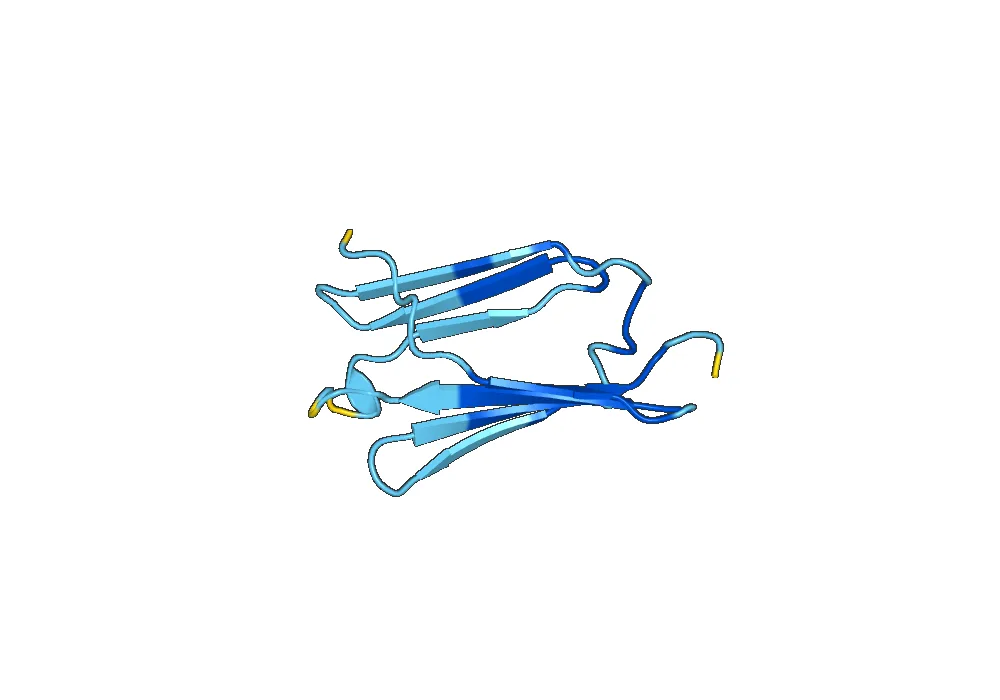
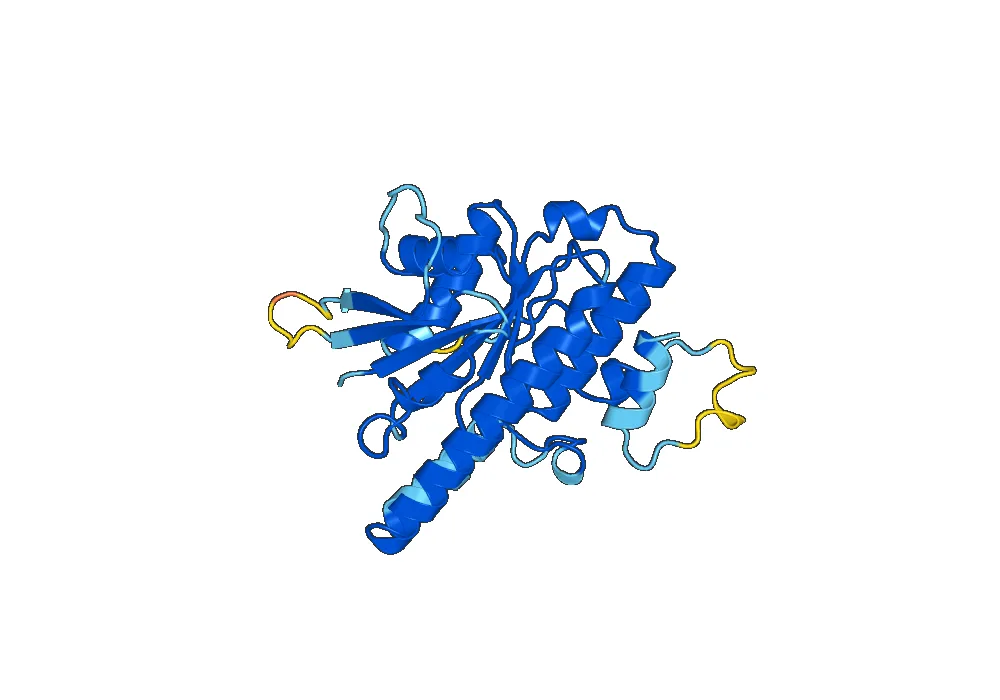
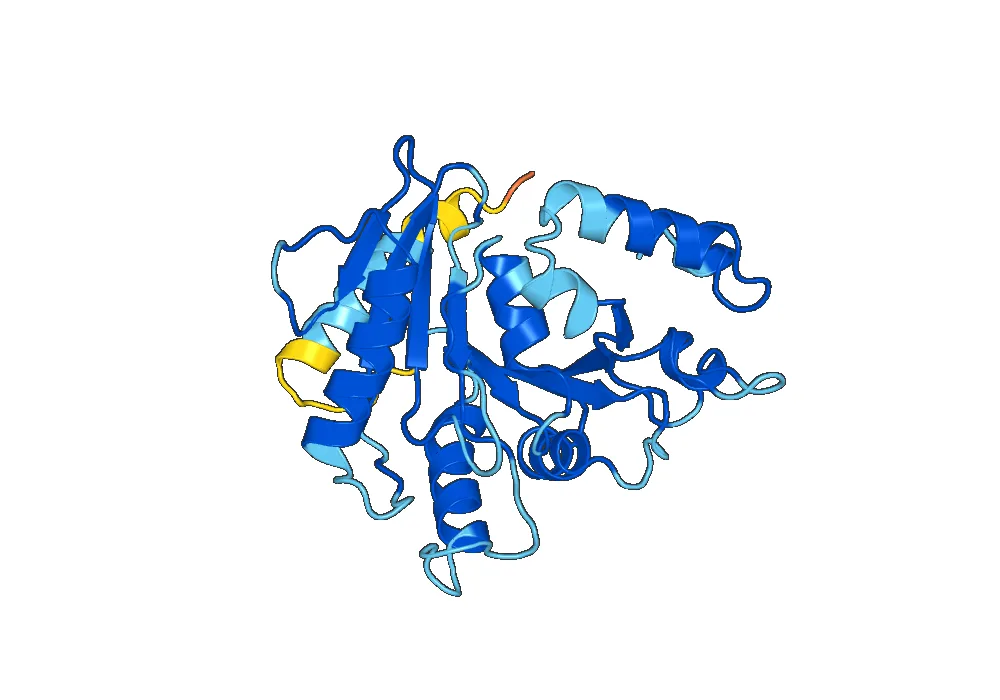
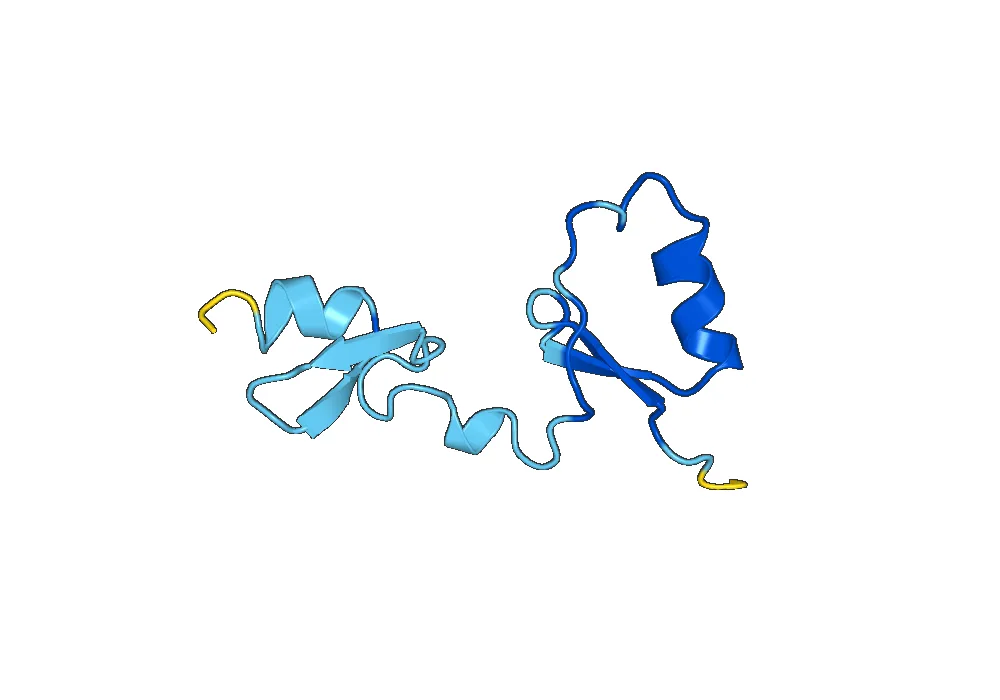
The crystal structure of the recombinant human KIAA0586/TALPID3 protein has been determined, revealing a trimeric structure with a central coiled-coil region and three WD40 domains at the periphery. This structure suggests that the protein may function as a scaffold for protein-protein interactions.
Activity of Recombinant Human KIAA0586/TALPID3 Protein
The main function of the recombinant human KIAA0586/TALPID3 protein is to regulate the activity of the primary cilium, a hair-like structure found on the surface of most cells. The primary cilium is involved in various cellular processes, including cell signaling and cell division. The TALPID3 protein is required for the proper formation and function of the primary cilium, and mutations in the KIAA0586 gene have been linked to ciliopathies, a group of genetic disorders characterized by defects in the structure and function of cilia.
Studies have shown that the recombinant human KIAA0586/TALPID3 protein interacts with other proteins involved in ciliogenesis and ciliary signaling, such as IFT88 and OFD1. It is also involved in the regulation of the Wnt signaling pathway, which plays a crucial role in embryonic development and tissue homeostasis.
Applications of Recombinant Human KIAA0586/TALPID3 Protein
The recombinant human KIAA0586/TALPID3 protein has potential applications in various fields of research, including developmental biology, genetics, and medicine. Its role in ciliogenesis and ciliary signaling makes it a valuable tool for studying the mechanisms underlying ciliopathies and other related disorders.
Furthermore, the TALPID3 protein has been shown to be involved in the regulation of cell proliferation and differentiation, suggesting its potential as a therapeutic target for diseases such as cancer. In fact, studies have shown that mutations in the KIAA0586 gene are associated with an increased risk of certain types of cancer, including breast and ovarian cancer.
In addition, the recombinant human KIAA0586/TALPID3 protein has been used in various in vitro and in vivo experiments to study its structure and function. It has also been used to generate antibodies for diagnostic and research purposes. The development of animal models with mutations in the KIAA0586 gene has also provided valuable insights into the role of the TALPID3 protein in vertebrate development and disease.
Conclusion
In summary, the recombinant human KIAA0586/TALPID3 protein is a crucial player in the development and function of vertebrates. Its structure, activity, and potential applications make it a valuable protein for research in various fields. Further studies on this protein may lead to a better understanding of ciliopathies and other related disorders, as well as potential therapeutic interventions for these diseases.


There are no reviews yet.