Introduction to Recombinant Human METTL3 Protein
Recombinant Human METTL3 Protein is a highly purified, bioactive protein that is produced through genetic engineering techniques. It is a crucial component of the cellular machinery responsible for the post-transcriptional modification of RNA molecules. This protein plays a significant role in regulating gene expression and is essential for various cellular processes. In this article, we will discuss the structure, activity, and applications of Recombinant Human METTL3 Protein.
Structure of Recombinant Human METTL3 Protein
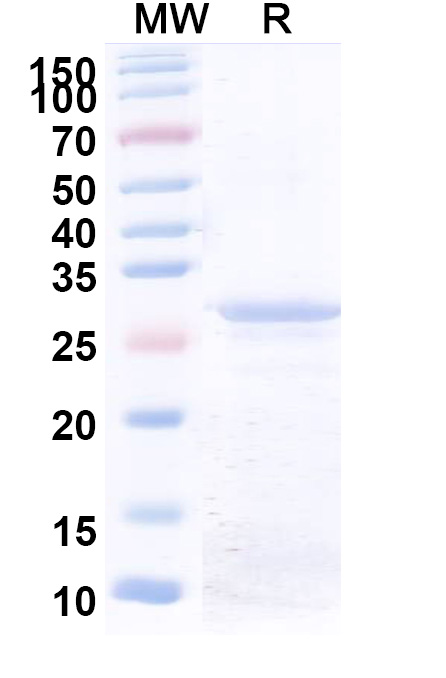
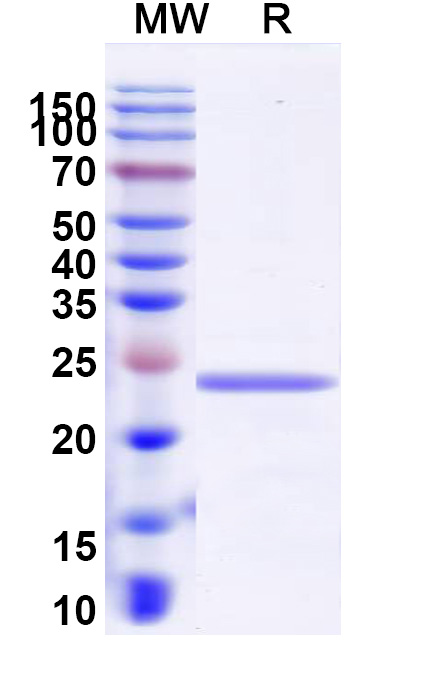
Recombinant Human METTL3 Protein is a 74-kDa protein consisting of 563 amino acids. It is composed of two main domains: the N-terminal domain and the catalytic domain. The N-terminal domain is responsible for the binding of the protein to its target RNA, while the catalytic domain contains the active site responsible for the enzymatic activity of the protein. The protein also contains several conserved motifs, including the S-adenosylmethionine (SAM) binding motif, which is crucial for its catalytic function.
Activity of Recombinant Human METTL3 Protein
Recombinant Human METTL3 Protein is an RNA methyltransferase, which means it adds a methyl group to specific nucleotides in RNA molecules. This process is known as m6A methylation and is one of the most abundant modifications found in eukaryotic RNA. The activity of Recombinant Human METTL3 Protein is essential for the regulation of various cellular processes, including RNA splicing, translation, and stability. It also plays a crucial role in the development and differentiation of cells.
The enzymatic activity of Recombinant Human METTL3 Protein is dependent on its interaction with other proteins, such as METTL14 and WTAP. These proteins form a complex known as the m6A methyltransferase complex, which is responsible for the specific and precise methylation of RNA molecules. The activity of this complex is tightly regulated, and any dysregulation can lead to various diseases, including cancer and neurological disorders.
Applications of Recombinant Human METTL3 Protein
Recombinant Human METTL3 Protein has various applications in both research and therapeutic settings. Its ability to specifically methylate RNA molecules makes it a valuable tool for studying the role of m6A methylation in gene expression and cellular processes. It can also be used to investigate the effects of dysregulated m6A methylation on disease development and progression.
In therapeutic applications, Recombinant Human METTL3 Protein has shown promising results in the treatment of certain diseases. For instance, studies have shown that targeting METTL3 can inhibit the growth and proliferation of cancer cells, making it a potential target for cancer therapy. Additionally, dysregulation of m6A methylation has been linked to various neurological disorders, and targeting METTL3 could potentially help in the treatment of these conditions.
Conclusion
In summary, Recombinant Human METTL3 Protein is a crucial component of the m6A methyltransferase complex, responsible for the precise and specific methylation of RNA molecules. Its structure and activity make it a valuable tool for studying the role of m6A methylation in gene expression and cellular processes. It also has promising applications in both research and therapeutic settings, making it a highly sought-after protein in the scientific community.

There are no reviews yet.