Introduction
Recombinant Human MICOS13 Protein is a highly specialized protein that plays a crucial role in mitochondrial structure and function. It is a member of the mitochondrial contact site and cristae organizing system (MICOS) complex, which is responsible for maintaining the structural integrity of the mitochondria and facilitating essential cellular processes such as oxidative phosphorylation and apoptosis. In this article, we will discuss the structure, activity, and application of Recombinant Human MICOS13 Protein.
Structure of Recombinant Human MICOS13 Protein
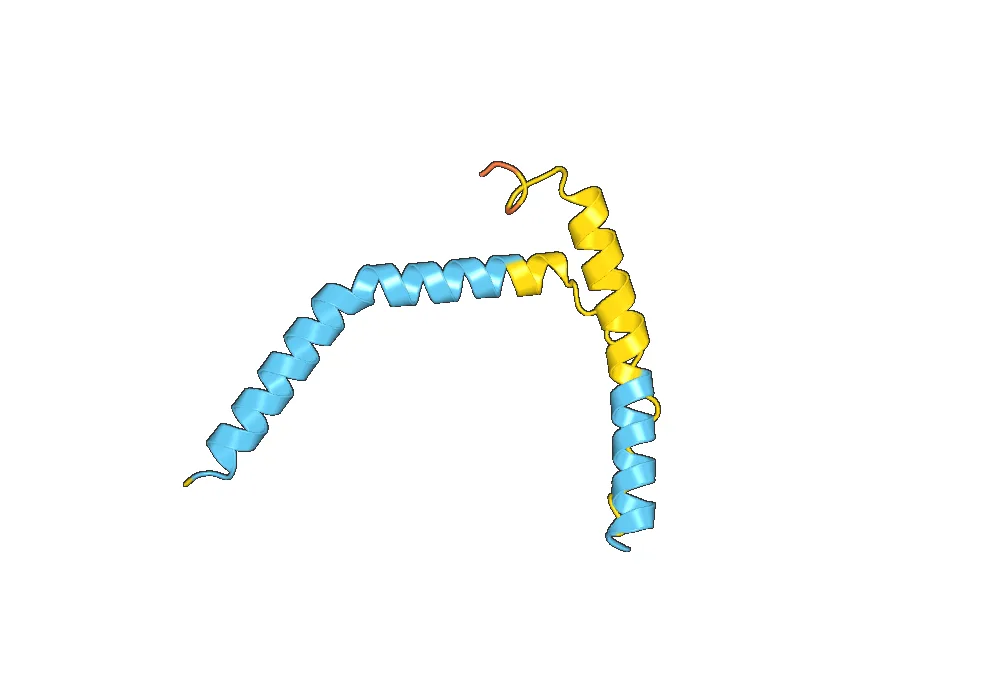
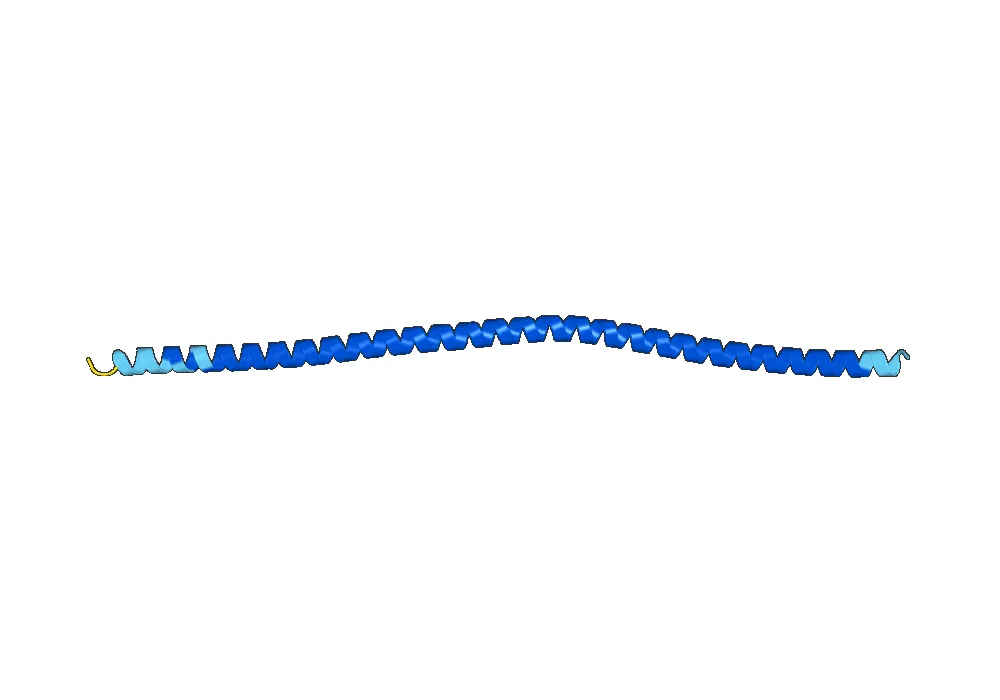
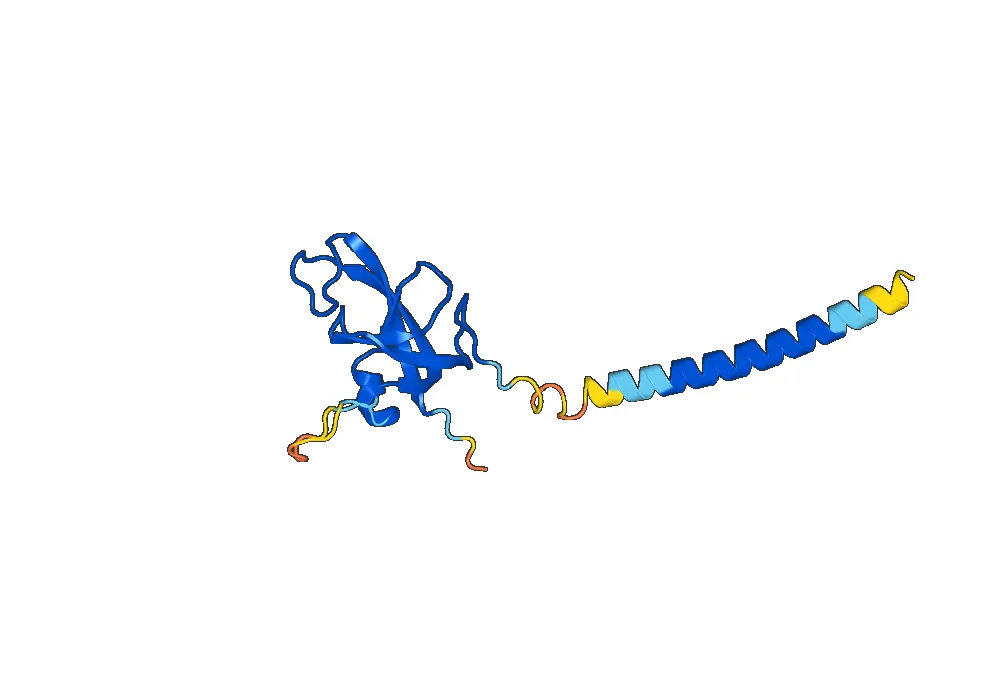
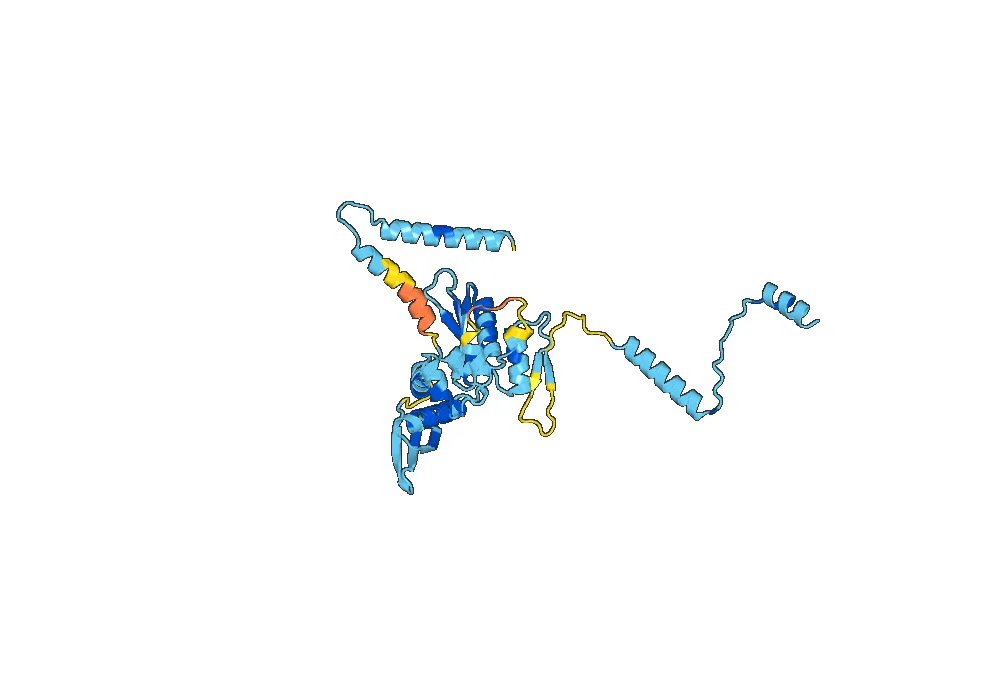
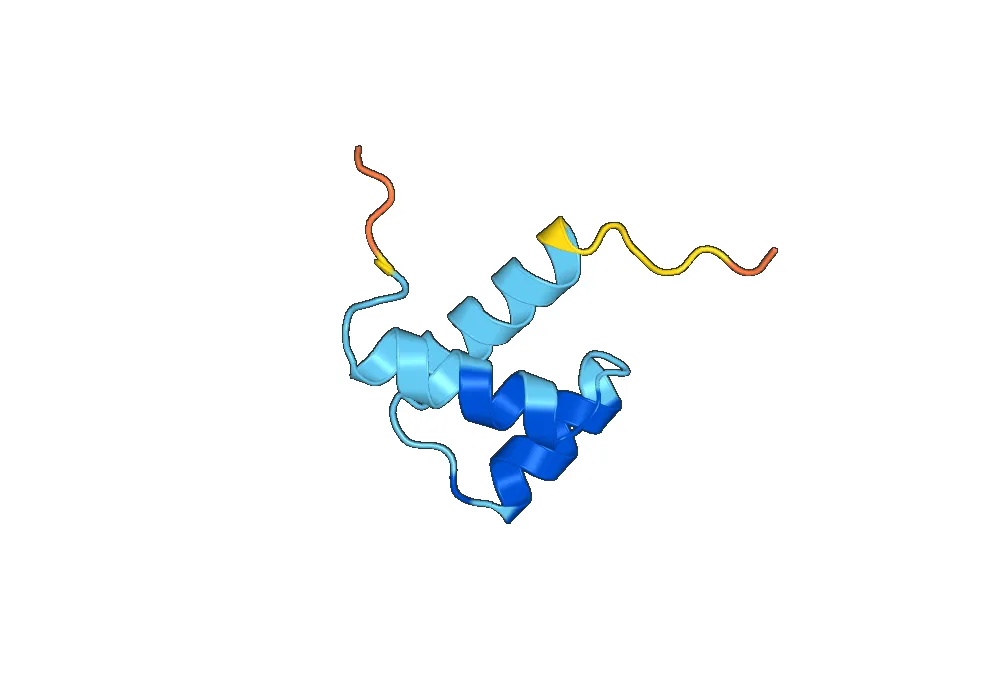
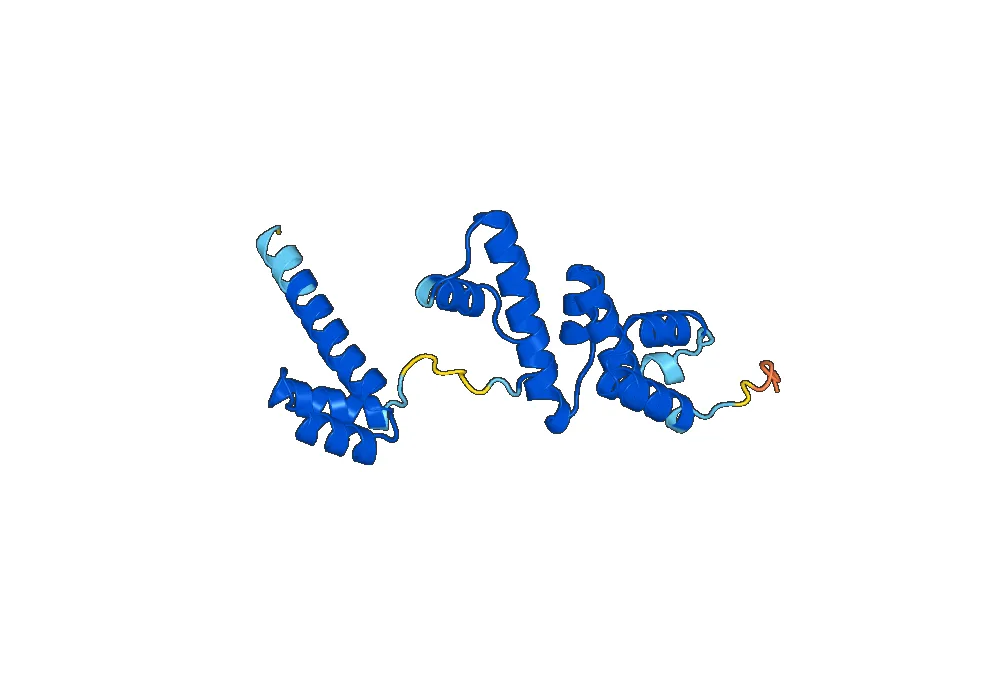
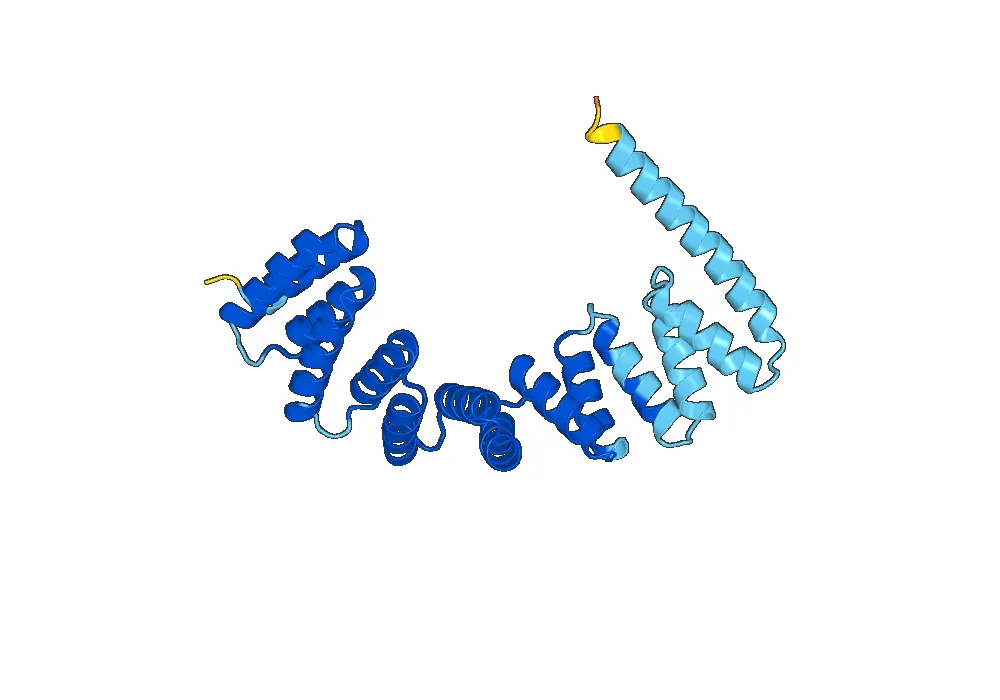
Recombinant Human MICOS13 Protein is a 13-kDa protein that is composed of 119 amino acids. It is located in the inner mitochondrial membrane and is anchored to the membrane through its N-terminal transmembrane domain. The C-terminal region of the protein is exposed to the intermembrane space, where it interacts with other proteins of the MICOS complex.
The primary structure of Recombinant Human MICOS13 Protein is highly conserved among different species, indicating its essential role in mitochondrial function. It contains several conserved domains, including a coiled-coil domain and a highly conserved C-terminal domain, which are crucial for its function in the MICOS complex.
Activity of Recombinant Human MICOS13 Protein
Recombinant Human MICOS13 Protein is a key component of the MICOS complex, which is responsible for maintaining the structural integrity of the mitochondria. It forms a bridge between the inner and outer mitochondrial membranes, facilitating the formation of cristae junctions. These junctions are essential for the proper functioning of the mitochondria, as they provide a large surface area for oxidative phosphorylation and other metabolic processes.
In addition to its structural role, Recombinant Human MICOS13 Protein also plays a crucial role in apoptosis. It interacts with other proteins in the MICOS complex to regulate the release of cytochrome c from the mitochondria, which initiates the apoptotic cascade. This highlights the importance of Recombinant Human MICOS13 Protein in maintaining the balance between cell survival and cell death.
Application of Recombinant Human MICOS13 Protein
Recombinant Human MICOS13 Protein has numerous applications in both research and therapeutic settings. Its role in maintaining mitochondrial structure and function makes it a valuable tool for studying mitochondrial dysfunction and related diseases. It can be used to investigate the role of the MICOS complex in various cellular processes and to identify potential therapeutic targets for mitochondrial disorders.
Moreover, Recombinant Human MICOS13 Protein can also be used in drug discovery and development. As it plays a crucial role in apoptosis, it can be targeted for the development of novel anti-cancer drugs. Additionally, its involvement in mitochondrial function makes it a potential target for the treatment of metabolic disorders such as diabetes and obesity.
In conclusion, Recombinant Human MICOS13 Protein is a highly specialized protein that is essential for maintaining the structural integrity of the mitochondria and regulating apoptosis. Its unique structure and diverse functions make it a valuable tool for both basic research and therapeutic applications. Further studies on this protein are necessary to fully understand its role in mitochondrial function and to explore its potential in treating various diseases.


There are no reviews yet.