Introduction to Recombinant Human MSH6 Protein
Recombinant proteins are proteins that are produced in a laboratory setting through genetic engineering techniques. These proteins have a wide range of applications in various fields, including medicine, biotechnology, and research. One such recombinant protein is the human MSH6 protein, which plays a crucial role in DNA mismatch repair.
Structure of Recombinant Human MSH6 Protein
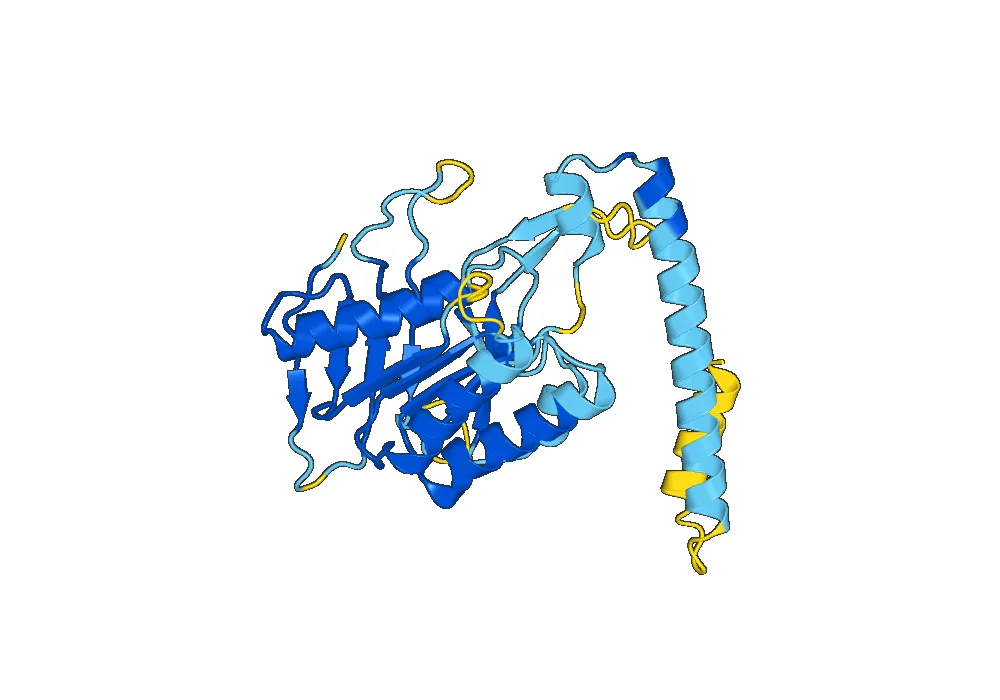
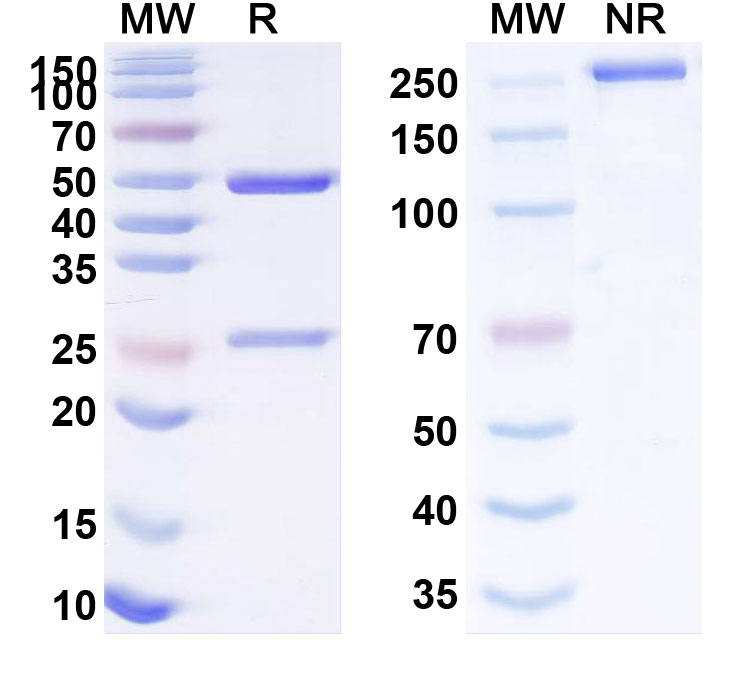
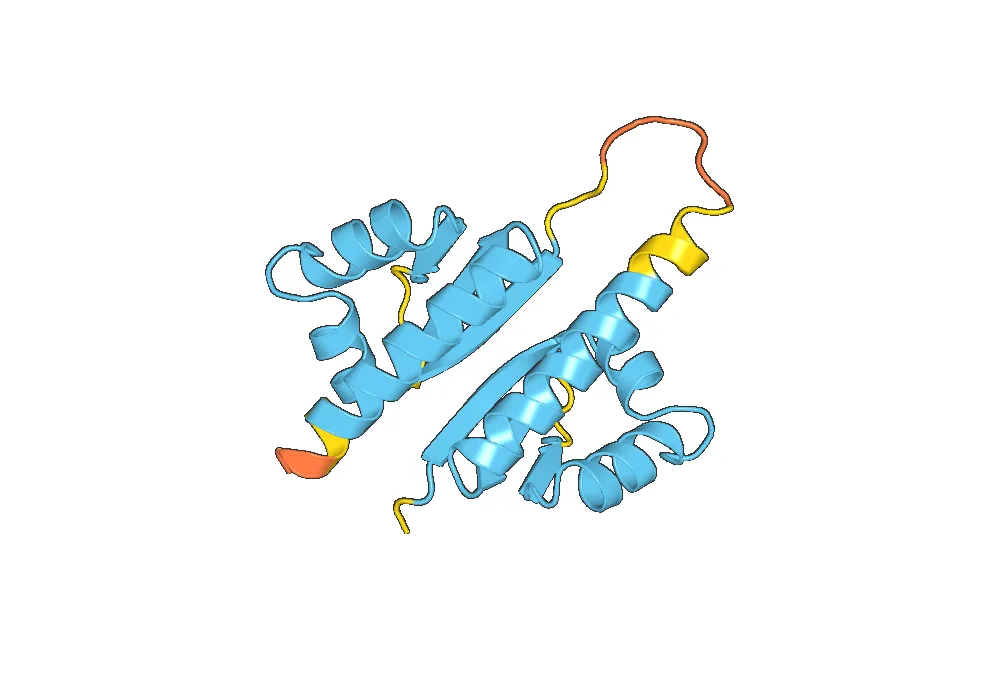
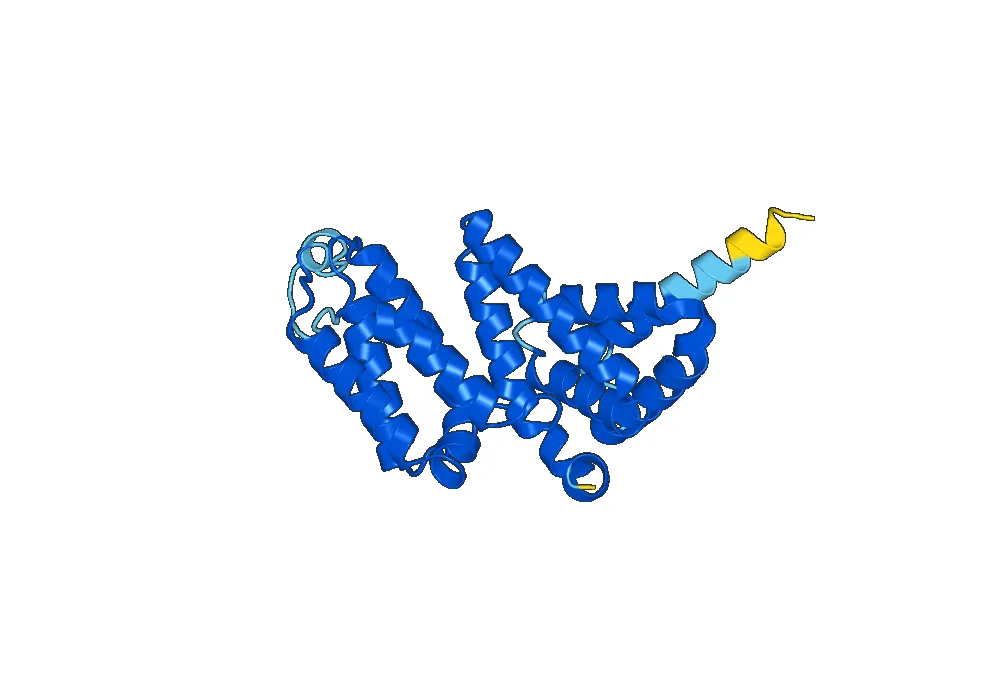
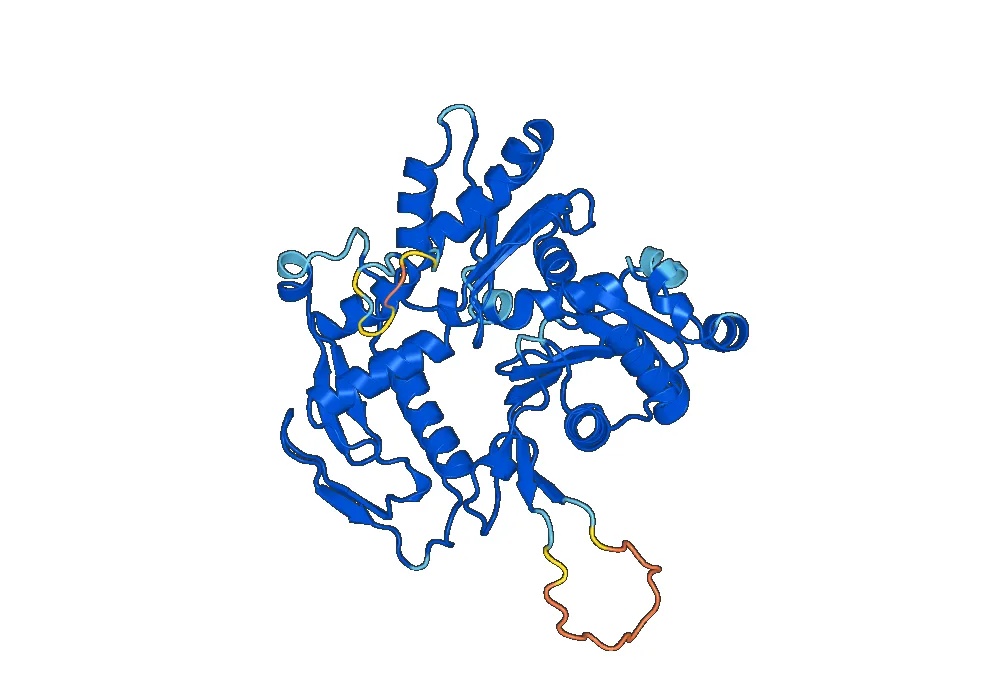
The human MSH6 protein is a member of the MutS family of proteins, which are involved in DNA mismatch repair. It is encoded by the MSH6 gene and is composed of 1362 amino acids. The recombinant form of this protein is produced by cloning and expressing the MSH6 gene in a suitable host organism, such as E. coli or yeast.
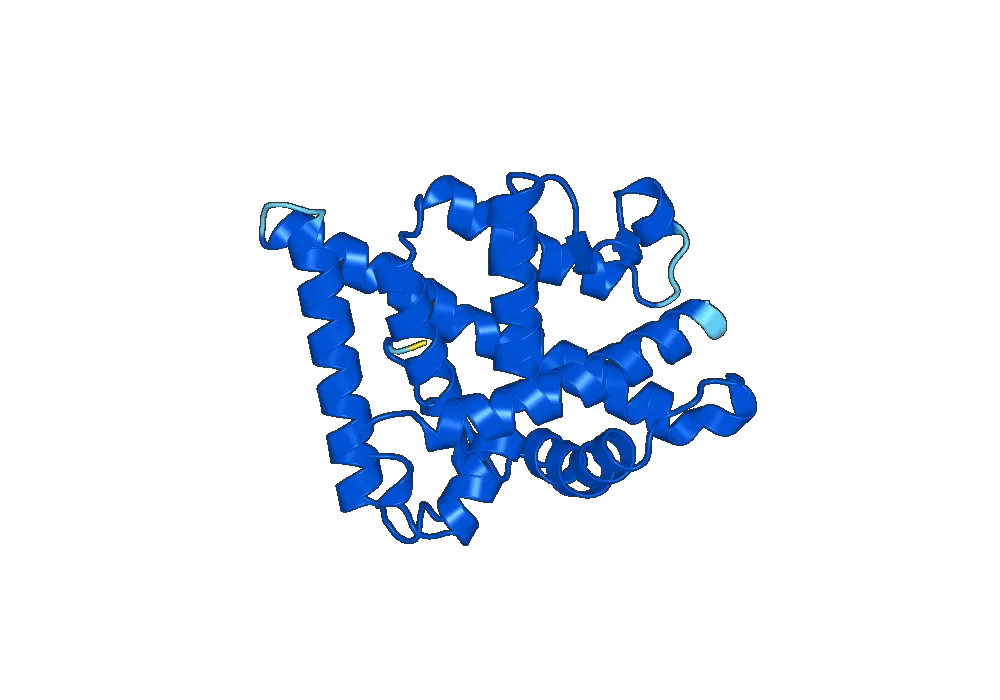
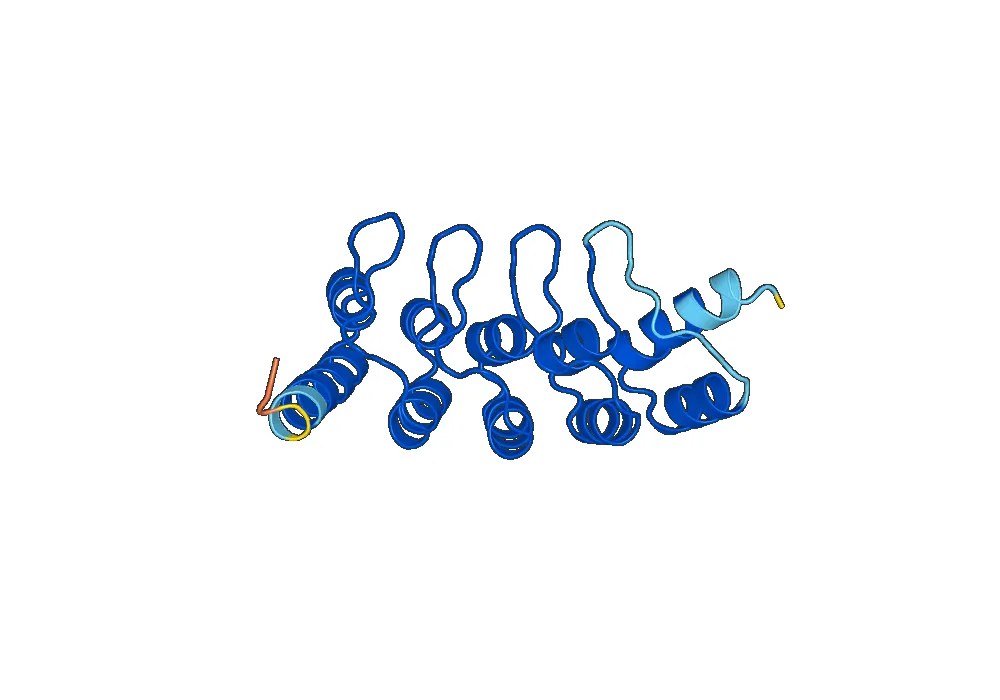
The recombinant human MSH6 protein has a similar structure to its native counterpart, with a conserved ATP-binding domain and a mismatch recognition domain. It also has a C-terminal domain that interacts with other proteins involved in DNA repair. The recombinant protein may also contain additional tags, such as His-tags or GST-tags, which aid in purification and detection.
Activity of Recombinant Human MSH6 Protein
The main function of the human MSH6 protein is to recognize and bind to mismatched base pairs in DNA. This is a critical step in DNA mismatch repair, which corrects errors that occur during DNA replication. The recombinant form of this protein retains its ability to bind to mismatched DNA, making it a valuable tool in studying DNA repair processes.
In addition to its role in DNA repair, the recombinant human MSH6 protein has also been shown to interact with other proteins involved in DNA damage response, such as BRCA1 and BRCA2. This suggests that the protein may have additional functions in maintaining genomic stability.
Applications of Recombinant Human MSH6 Protein
Recombinant human MSH6 protein has a wide range of applications in both basic research and clinical settings. Some of the key applications include:
1. Studying DNA mismatch repair:
The recombinant form of MSH6 protein is an essential tool for studying the mechanisms of DNA mismatch repair. It can be used to investigate the interactions between different proteins involved in this process and to understand how mutations in the MSH6 gene lead to diseases such as Lynch syndrome.
2. Drug discovery and development:
Since MSH6 is involved in maintaining genomic stability, mutations in this gene have been linked to various types of cancer. Recombinant human MSH6 protein can be used to screen potential drugs that target this protein and may have therapeutic potential in treating cancer.
3. Diagnostic applications:
Mutations in the MSH6 gene have been associated with Lynch syndrome, a hereditary condition that increases the risk of developing certain types of cancer. Recombinant human MSH6 protein can be used in diagnostic tests to identify these mutations and to help diagnose Lynch syndrome in patients.
4. Production of antibodies:
The recombinant human MSH6 protein can be used as an antigen to produce antibodies that specifically recognize this protein. These antibodies can then be used in various techniques, such as Western blotting and immunohistochemistry, to study the expression and localization of MSH6 in different tissues and cell types.
5. Protein-protein interaction studies:
The recombinant human MSH6 protein can be used in protein-protein interaction studies to identify other proteins that interact with MSH6. This can provide valuable insights into the functions of MSH6 and its role in maintaining genomic stability.
Conclusion
Recombinant human MSH6 protein is a valuable tool in studying DNA mismatch repair


There are no reviews yet.