Introduction to Recombinant Human NEU1/Sialidase-1
Recombinant Human NEU1/Sialidase-1, also known as sialidase-1, is a glycosidase enzyme that plays a crucial role in the breakdown of sialic acid residues on glycoproteins and glycolipids. This enzyme is encoded by the NEU1 gene and is expressed in various tissues, including the brain, liver, and spleen. Recombinant Human NEU1/Sialidase-1 is a highly purified form of the enzyme that is produced through recombinant DNA technology and has numerous applications in both research and clinical settings.
Structure of Recombinant Human NEU1/Sialidase-1
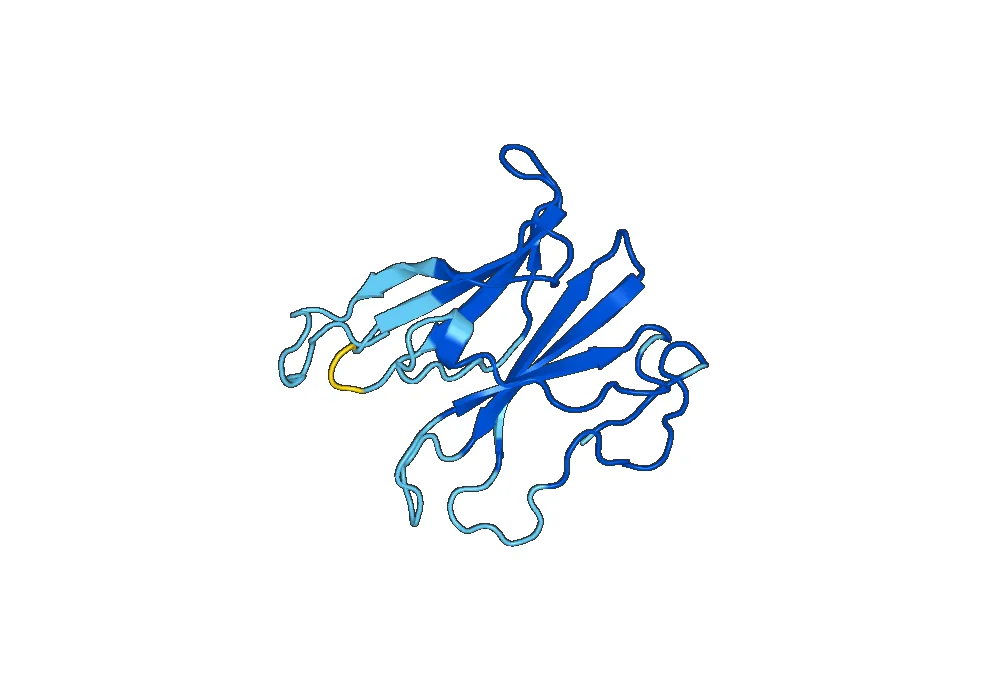
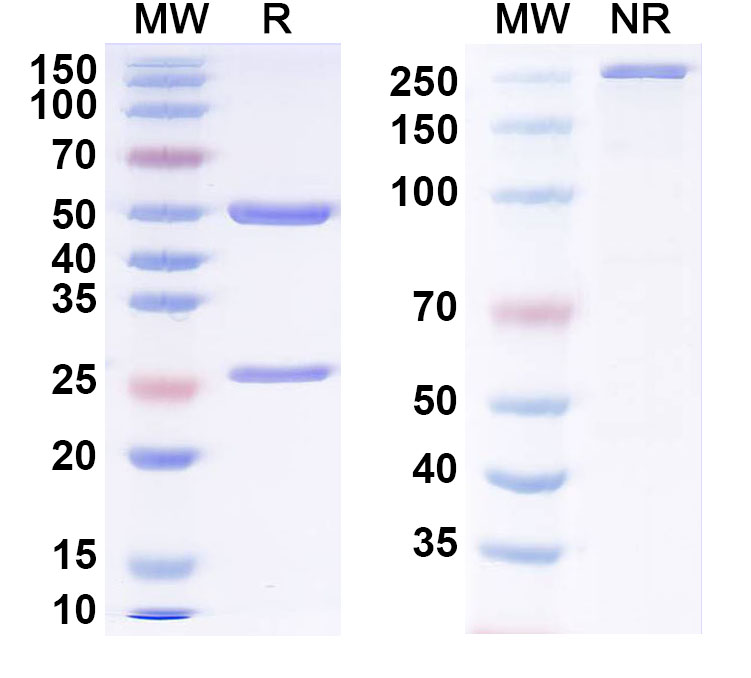
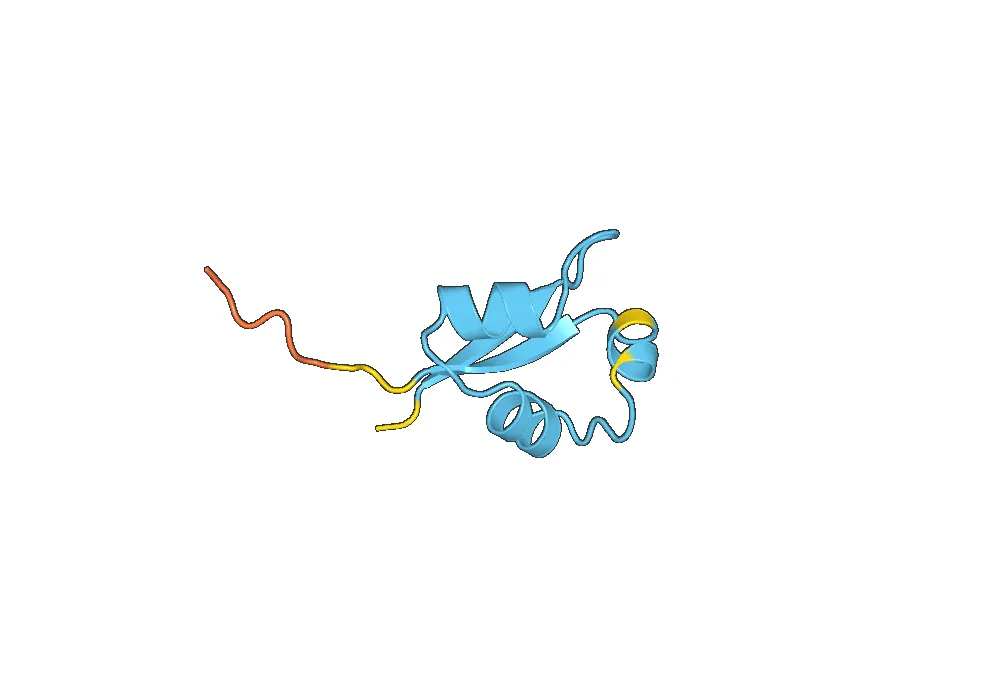
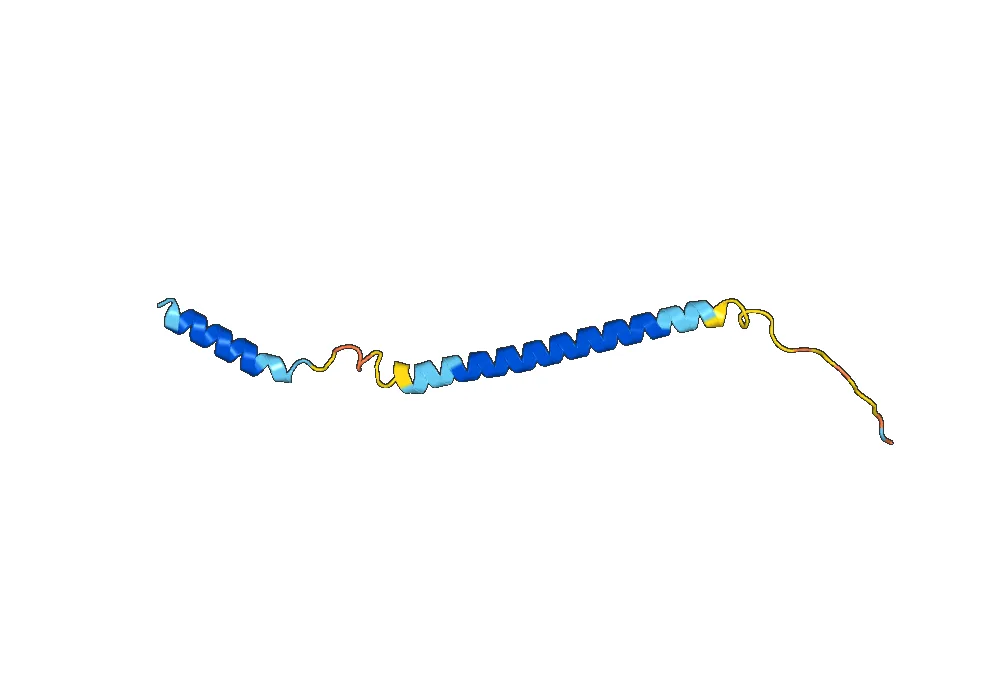
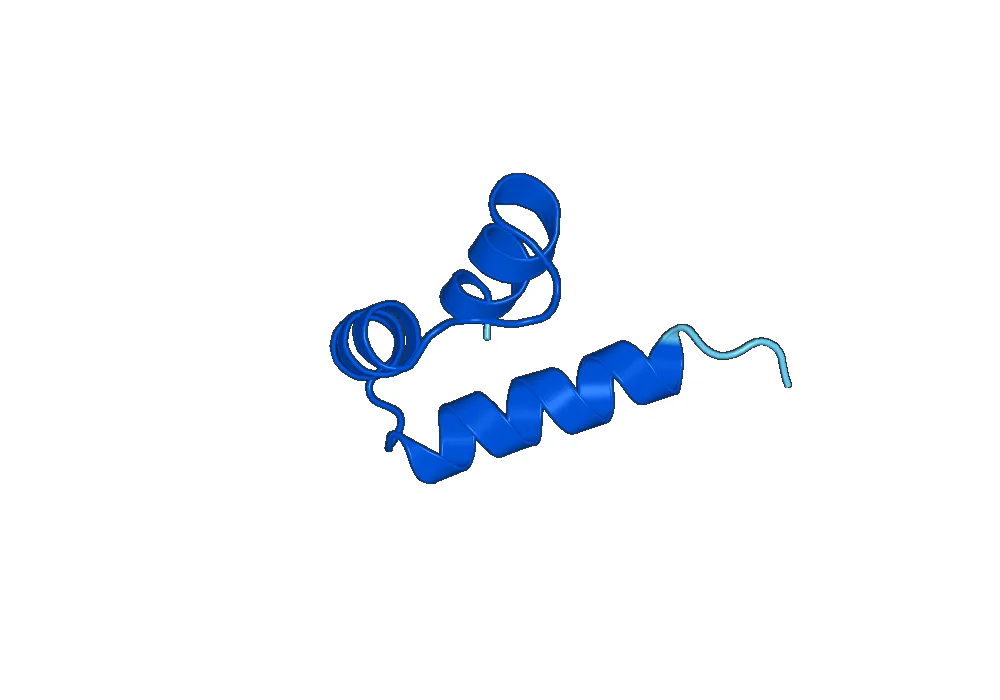
Recombinant Human NEU1/Sialidase-1 is a 415 amino acid protein with a molecular weight of approximately 46 kDa. It consists of a catalytic domain and a lectin-like domain, which are both essential for its enzymatic activity. The catalytic domain contains the active site of the enzyme, which is responsible for the hydrolysis of sialic acid residues. The lectin-like domain is involved in the recognition and binding of sialylated substrates.
Activity of Recombinant Human NEU1/Sialidase-1
Recombinant Human NEU1/Sialidase-1 is a key enzyme involved in the catabolism of sialic acid, a common component of cell surface molecules. It catalyzes the removal of sialic acid residues from various glycoconjugates, including glycoproteins and glycolipids. This process, known as desialylation, is essential for the turnover and recycling of cell surface molecules and plays a crucial role in various physiological and pathological processes.
The activity of Recombinant Human NEU1/Sialidase-1 is highly specific, as it only cleaves sialic acid residues linked to terminal galactose or N-acetylgalactosamine residues. This specificity is crucial for maintaining the integrity and function of glycoproteins and glycolipids, as sialic acid plays a vital role in their stability and recognition by other molecules.
Applications of Recombinant Human NEU1/Sialidase-1
The unique properties of Recombinant Human NEU1/Sialidase-1 make it a valuable tool for various research and clinical applications. Here are some of the most common applications of this enzyme:
1. Glycan analysis
Recombinant Human NEU1/Sialidase-1 is widely used in the analysis of glycans, as it can specifically cleave sialic acid residues from glycoproteins and glycolipids. This enzyme is often used in combination with other glycosidases to generate complete glycan profiles of various samples, including biological fluids and tissues.
2. Glycoprotein engineering
Recombinant Human NEU1/Sialidase-1 is also used in the engineering of glycoproteins, particularly in the production of therapeutic glycoproteins. By removing sialic acid residues, this enzyme can modify the glycan structure of a protein, thereby altering its biological activity and pharmacokinetic properties.
3. Diagnosis and treatment of diseases
Defects in NEU1 gene expression or mutations in the gene have been associated with various diseases, including lysosomal storage disorders and cancer. Recombinant Human NEU1/Sialidase-1 is used in the diagnosis and treatment of these diseases, as it can be used to detect and quantify NEU1 enzyme activity and to develop potential therapies targeting this enzyme.
4. Antigen for antibody production
Recombinant Human NEU1/Sialidase-1 is a commonly used antigen for the production of antibodies. This enzyme can be used to generate

There are no reviews yet.