Introduction to Recombinant Human OTUD1 Protein
Recombinant Human OTUD1 Protein is a highly purified and biologically active protein that is produced through recombinant DNA technology. This protein is a member of the ovarian tumor (OTU) domain-containing deubiquitinase family and is encoded by the OTUD1 gene. It plays a crucial role in regulating various cellular processes such as DNA damage response, immune response, and cell cycle progression. In this article, we will discuss the structure, activity, and applications of Recombinant Human OTUD1 Protein.
Structure of Recombinant Human OTUD1 Protein
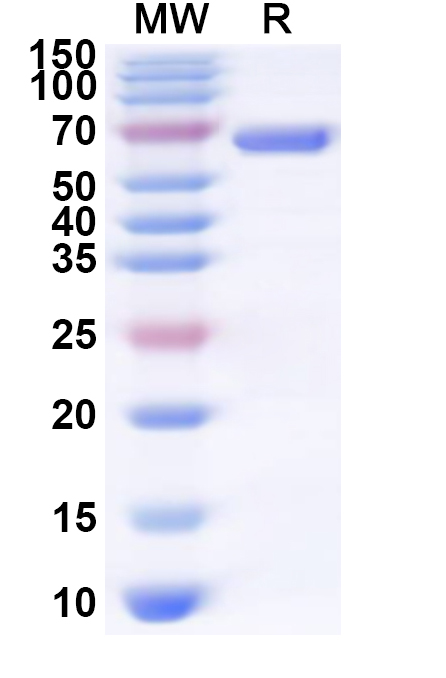
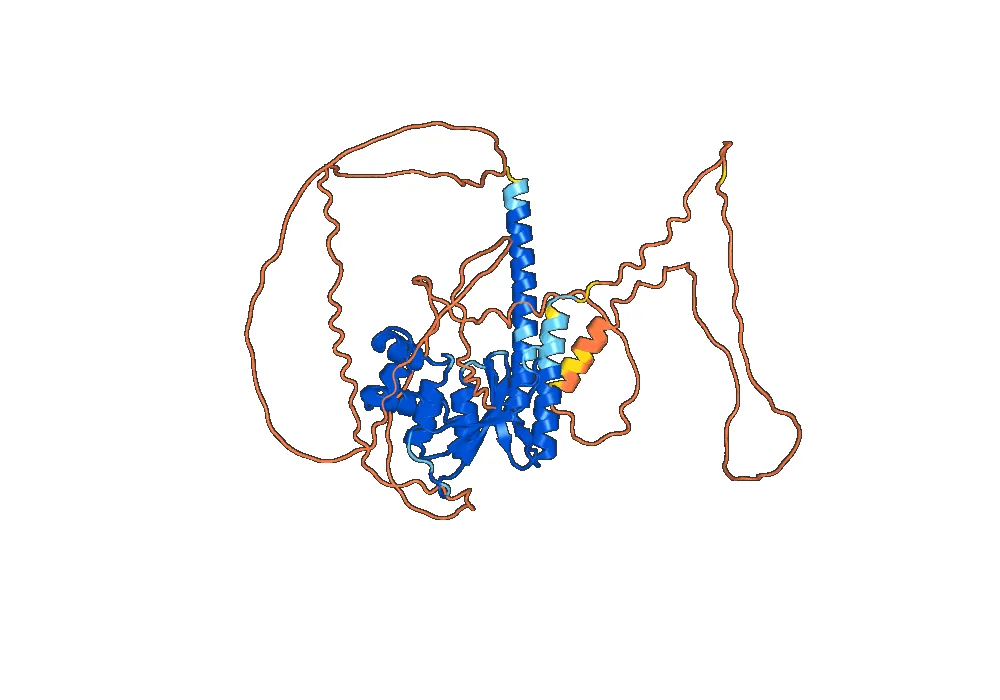
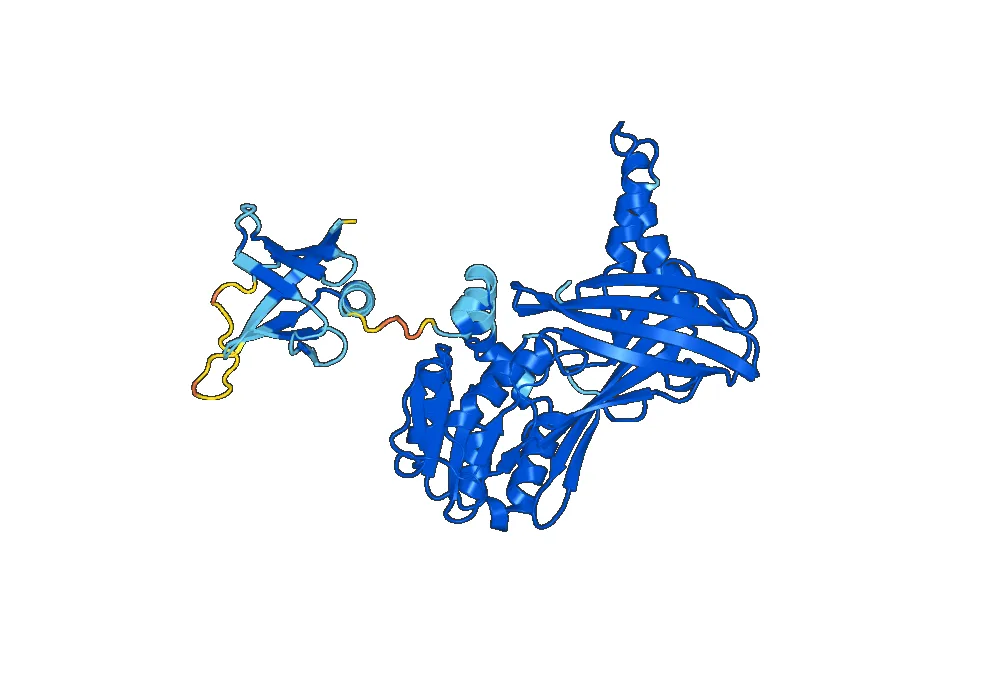
Recombinant Human OTUD1 Protein is a 103 kDa protein that consists of 923 amino acids. It contains a conserved OTU domain at its N-terminus, which is responsible for its deubiquitinase activity. The OTU domain is characterized by a Cys-His-Asp catalytic triad, which is essential for the cleavage of ubiquitin from its substrates. The C-terminal region of the protein contains a ubiquitin-binding domain, which aids in substrate recognition and binding. Recombinant Human OTUD1 Protein also contains several other conserved domains, such as a nuclear localization signal, a ubiquitin-associated (UBA) domain, and a ubiquitin-like (UBL) domain.
Activity of Recombinant Human OTUD1 Protein
Recombinant Human OTUD1 Protein is a deubiquitinase enzyme that specifically cleaves K63-linked polyubiquitin chains. It has been shown to regulate the stability and activity of several proteins involved in DNA damage response, such as BRCA1 and p53. It also plays a crucial role in modulating the immune response by regulating the activity of NF-κB, a key transcription factor involved in inflammatory and immune signaling pathways. Additionally, Recombinant Human OTUD1 Protein has been found to regulate cell cycle progression by deubiquitinating and stabilizing the cyclin-dependent kinase inhibitor p27.
Applications of Recombinant Human OTUD1 Protein
Recombinant Human OTUD1 Protein has a wide range of applications in both basic research and drug development. Its ability to regulate DNA damage response and immune signaling pathways makes it a valuable tool for studying these processes in various disease models. It is also being investigated as a potential therapeutic target for diseases such as cancer, autoimmune disorders, and neurodegenerative diseases.
One of the key applications of Recombinant Human OTUD1 Protein is in the development of cancer treatments. Studies have shown that OTUD1 expression is dysregulated in several types of cancer, and targeting this protein could potentially inhibit tumor growth and progression. Recombinant Human OTUD1 Protein can also be used in combination with other cancer therapies to enhance their efficacy.
In addition, Recombinant Human OTUD1 Protein has potential applications in the field of immunology. Its role in regulating the activity of NF-κB makes it a promising target for treating inflammatory and autoimmune diseases. It has also been shown to play a role in modulating the immune response to viral infections, making it a potential target for antiviral therapies.
Conclusion
In summary, Recombinant Human OTUD1 Protein is a biologically active protein that plays a crucial role in regulating various cellular processes. Its structure, activity, and applications make it a valuable tool for studying and understanding the mechanisms underlying diseases such as cancer and autoimmune disorders. Ongoing research on this protein is expected to uncover more insights into its functions and potential therapeutic applications.


There are no reviews yet.