Introduction
Recombinant proteins have become essential tools in various fields of research and medicine due to their ability to mimic natural proteins and perform specific functions. One such protein is Recombinant Human PDSS2, which has gained significant attention in recent years for its structural and functional properties. In this article, we will explore the structure, activity, and application of Recombinant Human PDSS2 protein.
Structure of Recombinant Human PDSS2 Protein
PDSS2 (Prenyl (decaprenyl) diphosphate synthase subunit 2) is a protein that plays a crucial role in the synthesis of coenzyme Q10, an important component of the electron transport chain in mitochondria. The human PDSS2 gene is located on chromosome 6 and encodes a protein of 21 kDa. The recombinant form of PDSS2 is produced through genetic engineering techniques, where the human gene is inserted into a suitable expression system, such as bacteria or yeast, to produce large quantities of the protein.
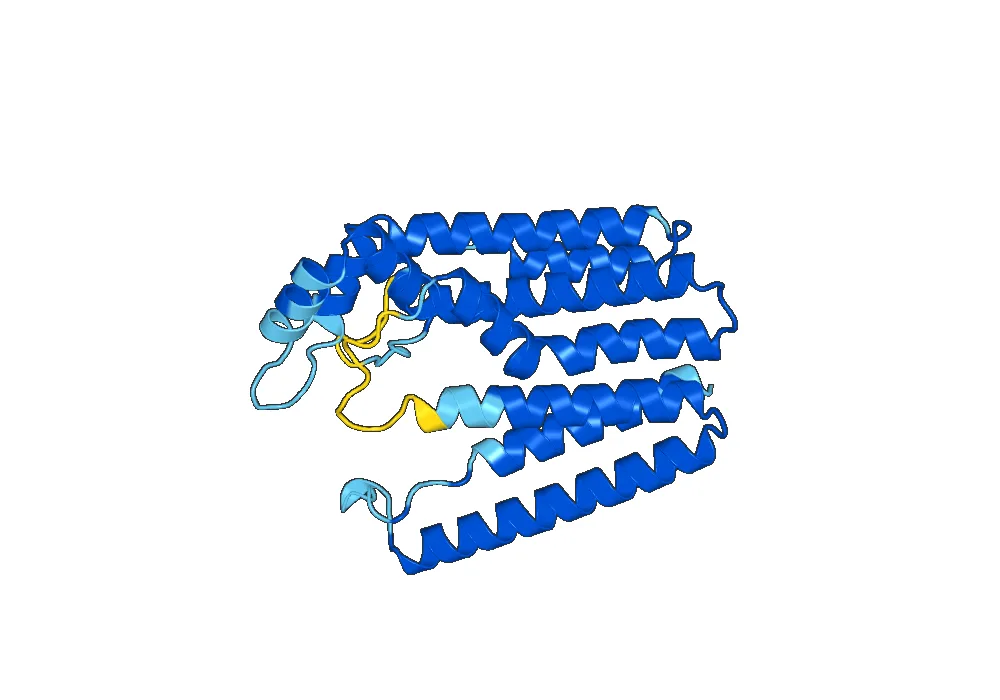
The recombinant PDSS2 protein has a similar structure to its native counterpart, consisting of 199 amino acids. It has a hydrophobic N-terminal domain, a central hydrophilic domain, and a C-terminal domain that is rich in cysteine residues. The protein also contains a conserved prenyltransferase domain, which is responsible for the synthesis of coenzyme Q10. The structure of recombinant PDSS2 has been extensively studied using techniques like X-ray crystallography and nuclear magnetic resonance (NMR) spectroscopy, providing valuable insights into its function and potential applications.
Activity of Recombinant Human PDSS2 Protein
The primary function of PDSS2 is to catalyze the formation of decaprenyl diphosphate, the precursor molecule for coenzyme Q10. This reaction involves the condensation of isopentenyl diphosphate (IPP) and farnesyl diphosphate (FPP), which are both derived from the mevalonate pathway. The recombinant PDSS2 protein has been shown to have similar enzymatic activity as its native form, making it a valuable tool for studying the biosynthesis of coenzyme Q10.
In addition to its role in coenzyme Q10 synthesis, PDSS2 has also been implicated in other biological processes, including cell proliferation, apoptosis, and oxidative stress response. Studies have shown that recombinant PDSS2 protein can interact with other proteins and enzymes involved in these pathways, suggesting a potential role in regulating cellular functions.
Application of Recombinant Human PDSS2 Protein
The unique structural and functional properties of recombinant PDSS2 make it a valuable tool in various applications. One of the major applications is in the production of coenzyme Q10, which has been used as a dietary supplement and in the treatment of various diseases, including cardiovascular disorders and neurodegenerative diseases. The recombinant PDSS2 protein can be used to optimize the production of coenzyme Q10 in industrial settings, making it a cost-effective alternative to traditional methods.
Moreover, recombinant PDSS2 has also been used in research to study the role of coenzyme Q10 in various diseases and to develop potential therapeutic interventions. Its ability to interact with other proteins and enzymes involved in cellular processes makes it a promising target for drug discovery and development.
Conclusion
In conclusion, Recombinant Human PDSS2 protein has a well-defined structure and enzymatic activity, making it a valuable tool in the production of coenzyme Q10 and in research applications. Its potential role in regulating cellular functions and its involvement in various diseases make it an attractive target for future studies. With further research and development, recombinant PDSS2 protein


There are no reviews yet.