Introduction
Recombinant Human PHPT1 (prostatic acid phosphatase) is a protein that plays a crucial role in regulating the levels of phosphate in the body. It is produced through genetic engineering techniques, making it a recombinant protein. In this article, we will explore the structure, activity, and application of this important protein.
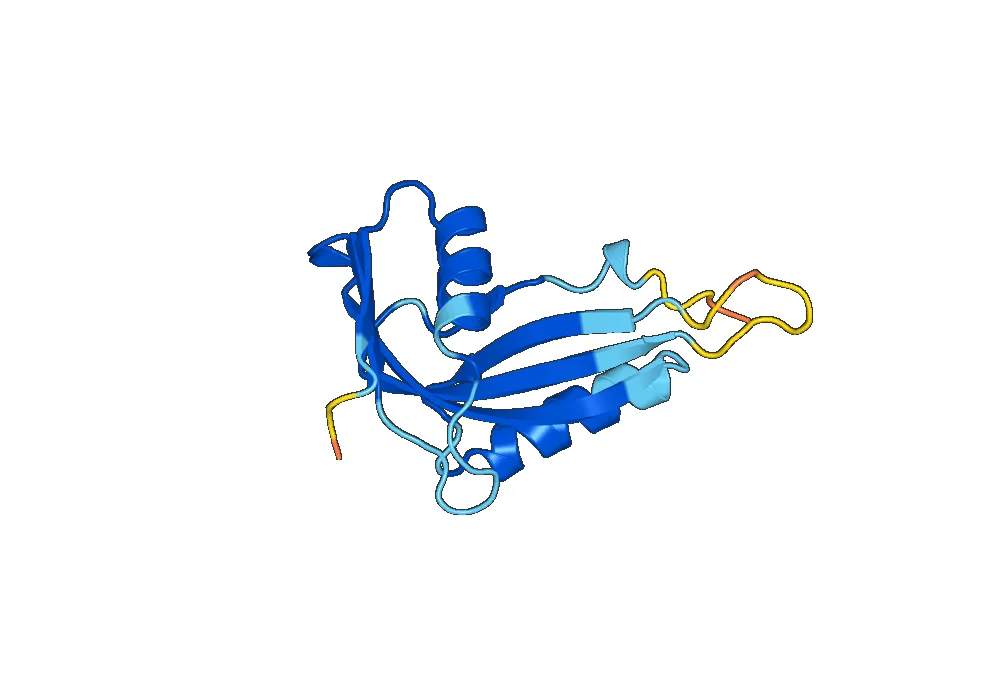
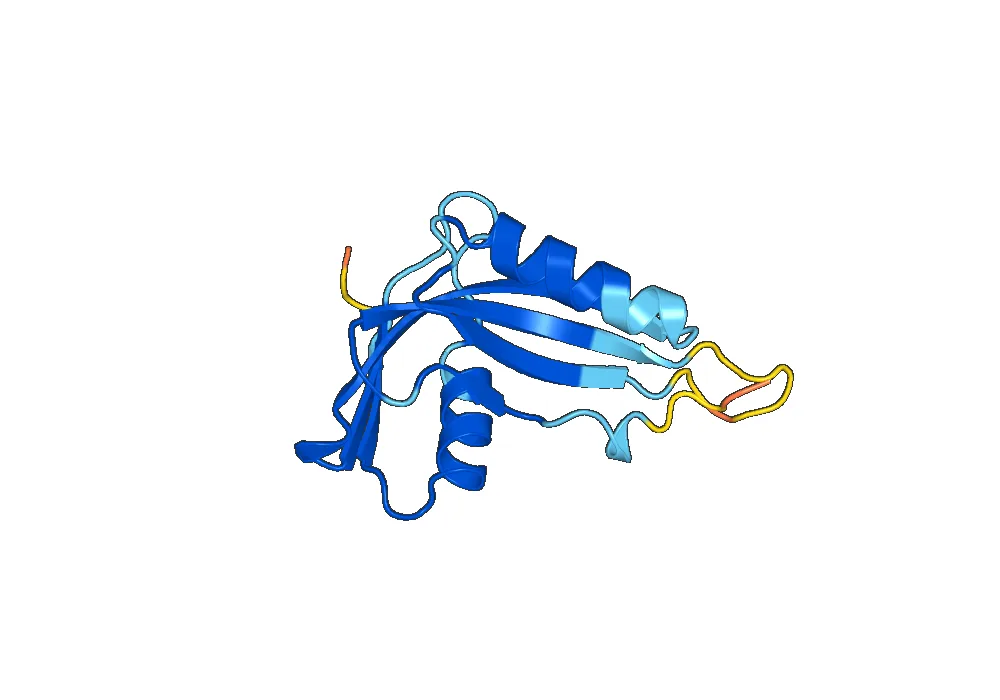
Structure of Recombinant Human PHPT1
Recombinant Human PHPT1 is a single-chain glycoprotein with a molecular weight of approximately 48 kDa. It is composed of 354 amino acids and contains two N-glycosylation sites. The protein has a conserved catalytic domain that is essential for its enzymatic activity. This domain is made up of four conserved amino acids, including two cysteine residues that form a disulfide bond, and two histidine residues that are involved in the catalytic mechanism.
Activity of Recombinant Human PHPT1
Recombinant Human PHPT1 is a member of the phosphotyrosine phosphatase (PTP) superfamily and is primarily expressed in the prostate gland. It functions as an enzyme that catalyzes the dephosphorylation of phosphotyrosine residues in proteins, leading to the regulation of cellular signaling pathways. Specifically, PHPT1 is involved in the regulation of phosphate homeostasis by dephosphorylating phosphopeptides and phosphoproteins, thus controlling the levels of phosphate in the body.
Applications of Recombinant Human PHPT1
Recombinant Human PHPT1 has a wide range of applications in both research and clinical settings. Some of these include:
1. Biomarker for Prostate Cancer
PHPT1 is normally expressed at high levels in the prostate gland, but its expression is significantly increased in prostate cancer. This makes it a potential biomarker for the early detection and monitoring of prostate cancer.
2. Diagnostic Tool for Bone Disorders
As a regulator of phosphate levels, PHPT1 has been implicated in various bone disorders, including osteoporosis and osteomalacia. Measuring the levels of PHPT1 in blood or urine samples can aid in the diagnosis and monitoring of these conditions.
3. Therapeutic Target for Metabolic Disorders
Abnormal phosphate levels have been linked to metabolic disorders such as diabetes and obesity. As PHPT1 plays a crucial role in regulating phosphate levels, it has been identified as a potential therapeutic target for these conditions.
4. Recombinant Protein Production
Recombinant Human PHPT1 can be produced in large quantities using genetic engineering techniques. This makes it a valuable tool for the production of other recombinant proteins, as it can be used as a fusion partner to enhance protein stability and solubility.
5. Vaccine Development
PHPT1 has been identified as a potential antigen for vaccine development against prostate cancer. Recombinant Human PHPT1 can be used to induce an immune response against the protein, thus providing protection against prostate cancer.
Conclusion
In summary, Recombinant Human PHPT1 is a crucial protein involved in the regulation of phosphate levels in the body. Its structure and enzymatic activity make it a valuable tool for various applications in research and clinical settings. With further research and development, this protein has the potential to contribute to the diagnosis and treatment of various diseases, making it an important target for future studies.

There are no reviews yet.