Introduction
Recombinant Human PIKFYVE Protein is a highly purified and biologically active protein that is produced through recombinant DNA technology. It is a key enzyme involved in the regulation of cellular processes such as endocytosis, vesicular trafficking, and autophagy. In this article, we will discuss the structure, activity, and applications of this important protein.
Structure of Recombinant Human PIKFYVE Protein
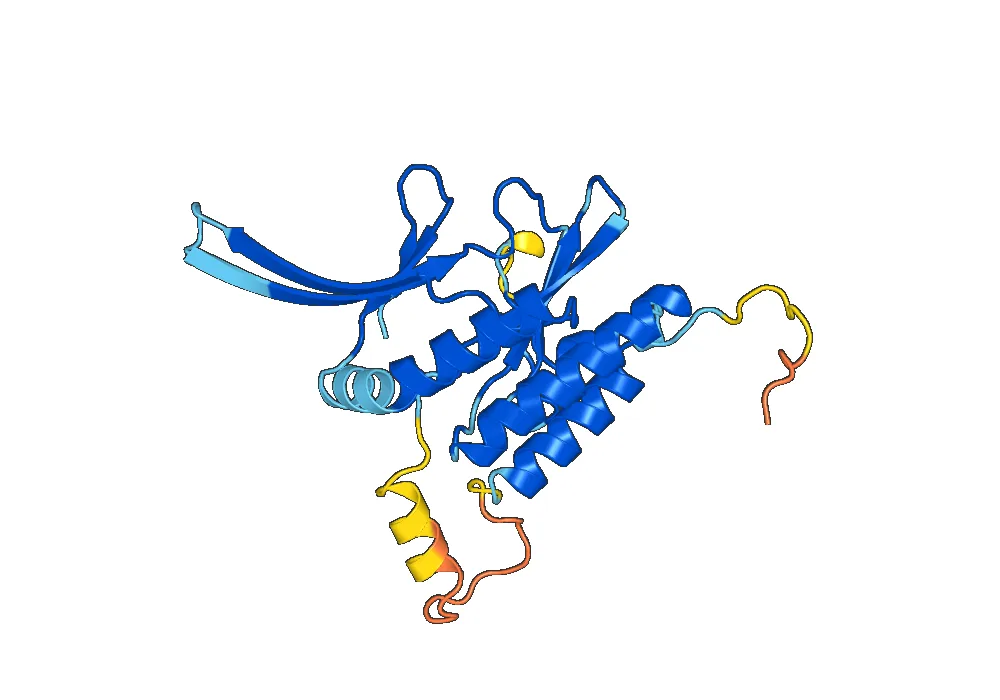
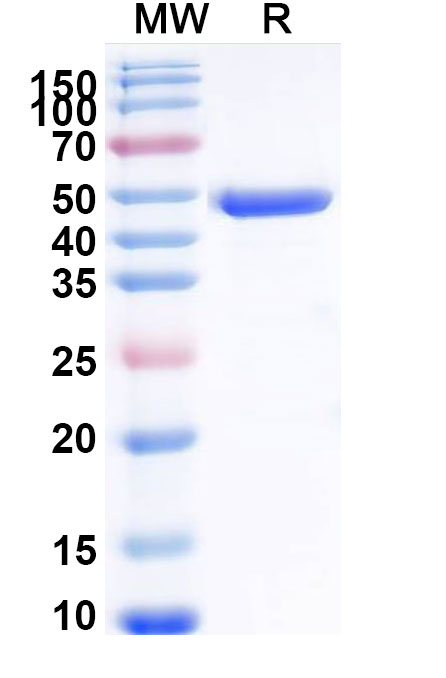
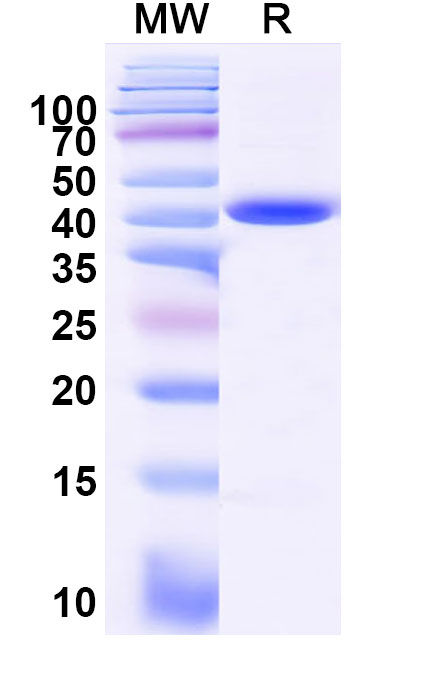
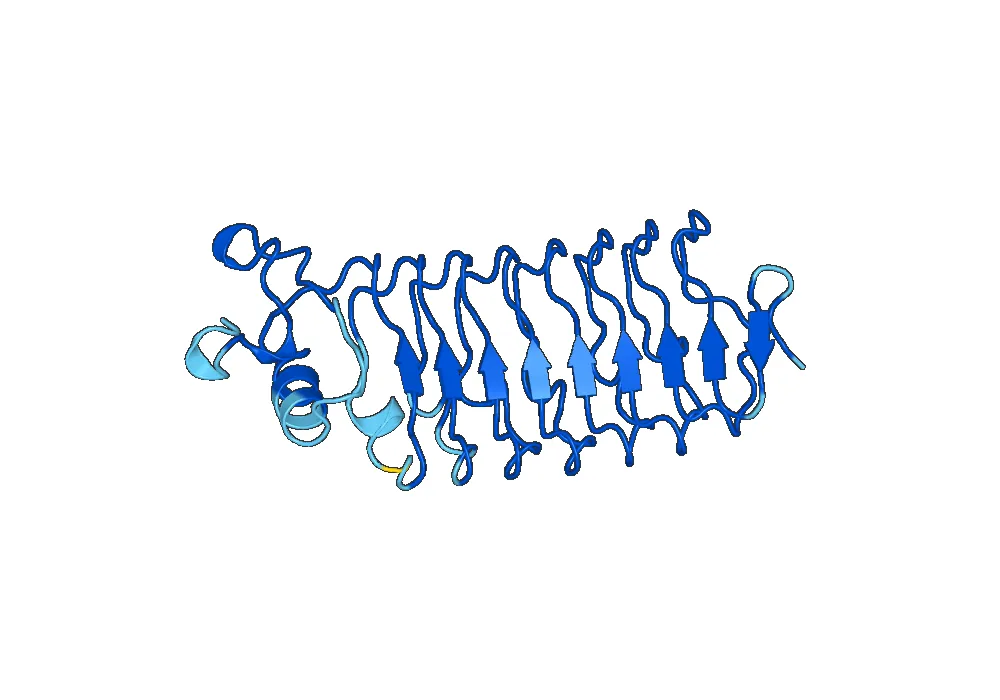
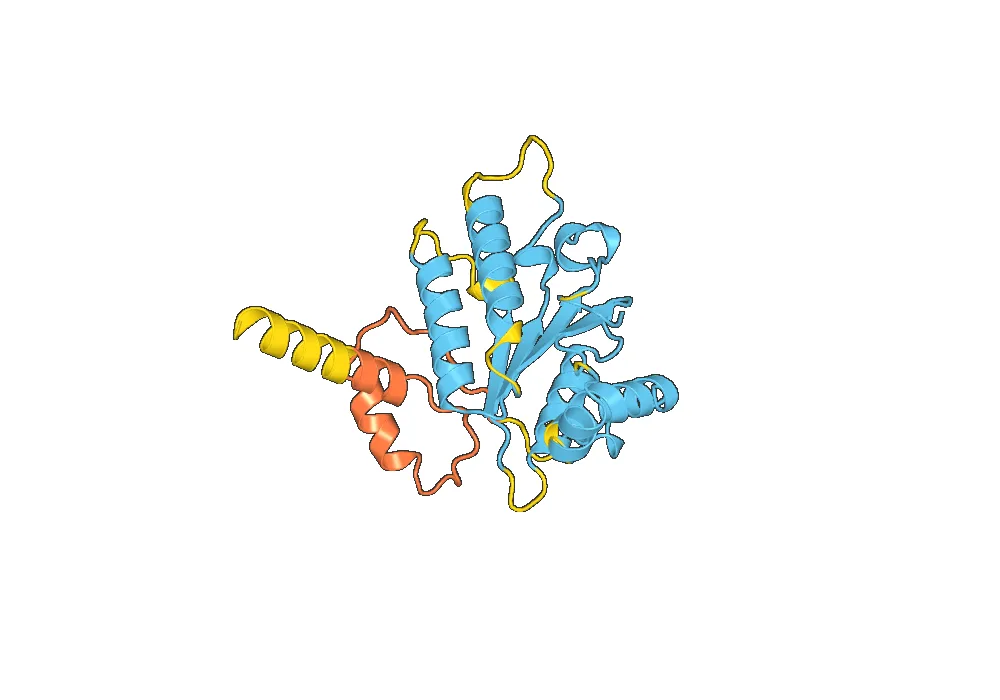
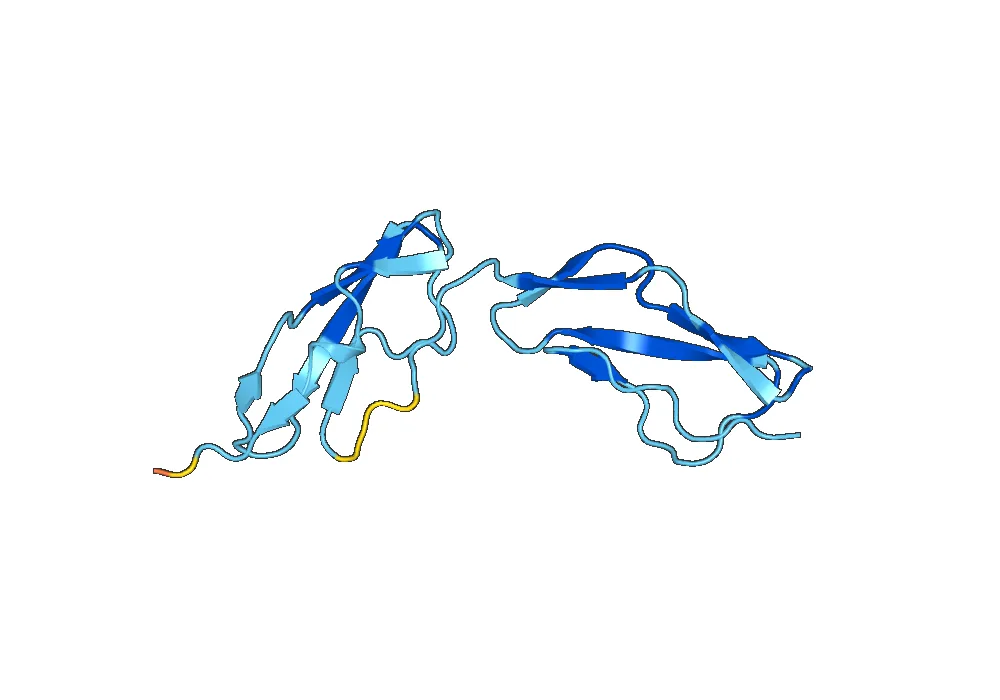
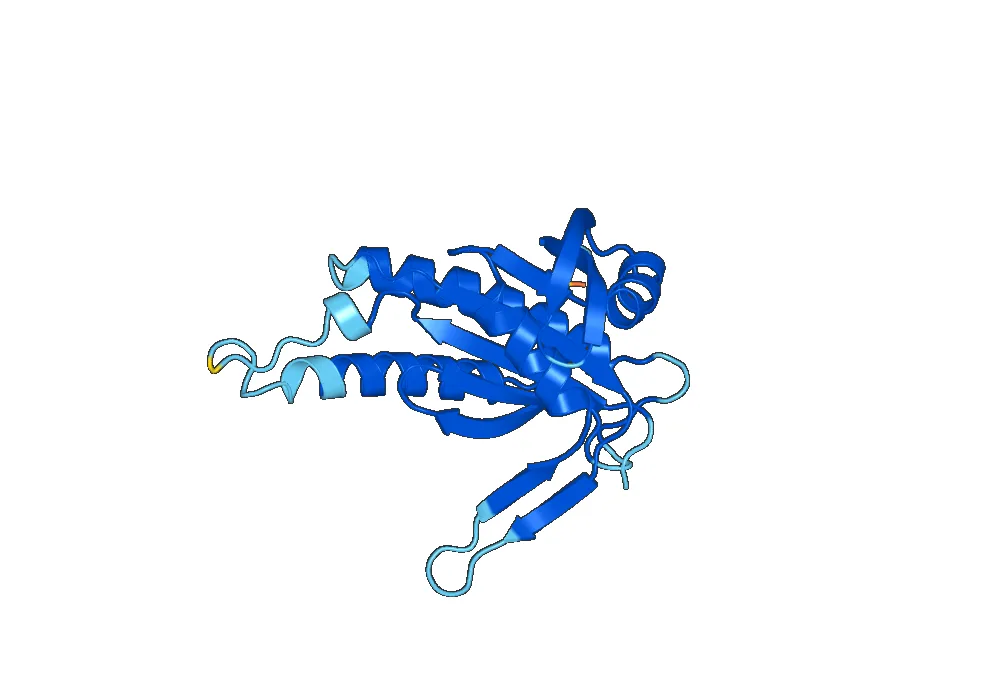
The recombinant human PIKFYVE protein is composed of 2,016 amino acids with a molecular weight of approximately 230 kDa. It is a member of the phosphoinositide kinase family and is encoded by the PIKFYVE gene located on chromosome 2. The protein consists of several domains, including a FYVE domain, a PH domain, a kinase domain, and a C-terminal domain.
The FYVE domain is responsible for binding to phosphatidylinositol 3-phosphate (PI3P) on the surface of endosomes and lysosomes, while the PH domain binds to the lipid phosphatidylinositol 3,5-bisphosphate (PI(3,5)P2). These interactions are crucial for the localization and activity of PIKFYVE protein.
The kinase domain of PIKFYVE protein is responsible for its enzymatic activity, which involves the phosphorylation of PI3P to generate PI(3,5)P2. This conversion is essential for the formation and maturation of endosomes and lysosomes, as well as for the regulation of autophagy.
Activity of Recombinant Human PIKFYVE Protein
The main function of PIKFYVE protein is the production of PI(3,5)P2, which plays a crucial role in the regulation of intracellular membrane trafficking. This lipid is involved in the formation and maturation of endosomes and lysosomes, as well as the maintenance of their size and shape. It also regulates the fusion of endosomes and lysosomes with other cellular compartments, such as the Golgi complex and the plasma membrane.
In addition, PIKFYVE protein is also involved in the regulation of autophagy, a cellular process that involves the degradation of damaged or unwanted cellular components. PI(3,5)P2 produced by PIKFYVE protein is required for the formation of autophagosomes, which are double-membrane vesicles that engulf cellular material for degradation.
Applications of Recombinant Human PIKFYVE Protein
Recombinant Human PIKFYVE Protein has a wide range of applications in both basic research and drug development. Its role in endosomal and lysosomal trafficking makes it a valuable tool for studying these processes and their implications in various diseases, such as lysosomal storage disorders and neurodegenerative diseases.
Furthermore, the involvement of PIKFYVE protein in autophagy makes it a potential target for the development of new therapies for diseases where autophagy is dysregulated, such as cancer and neurodegenerative diseases. In fact, several studies have shown that inhibiting PIKFYVE activity can lead to the accumulation of autophagosomes and induce cell death in cancer cells.
Moreover, mutations in the PIKFYVE gene have been associated with various diseases, including Parkinson’s disease, Alzheimer’s disease, and Charcot-Marie-Tooth disease. Therefore, understanding the structure and function of PIKFYVE protein can provide insights into the pathogenesis of these diseases and aid in the development of targeted therapies.
Conclusion
In summary, Recombinant Human PIKFYVE Protein is a crucial enzyme involved in the regulation of endosomal


There are no reviews yet.