Introduction
Recombinant Human ATAD2 Protein, also known as ATPase family AAA domain-containing protein 2, is a protein that plays a crucial role in various cellular processes such as chromatin remodeling, transcriptional regulation, and cell proliferation. This protein is encoded by the ATAD2 gene and is highly conserved among different species, indicating its importance in biological functions.
Structure of Recombinant Human ATAD2 Protein
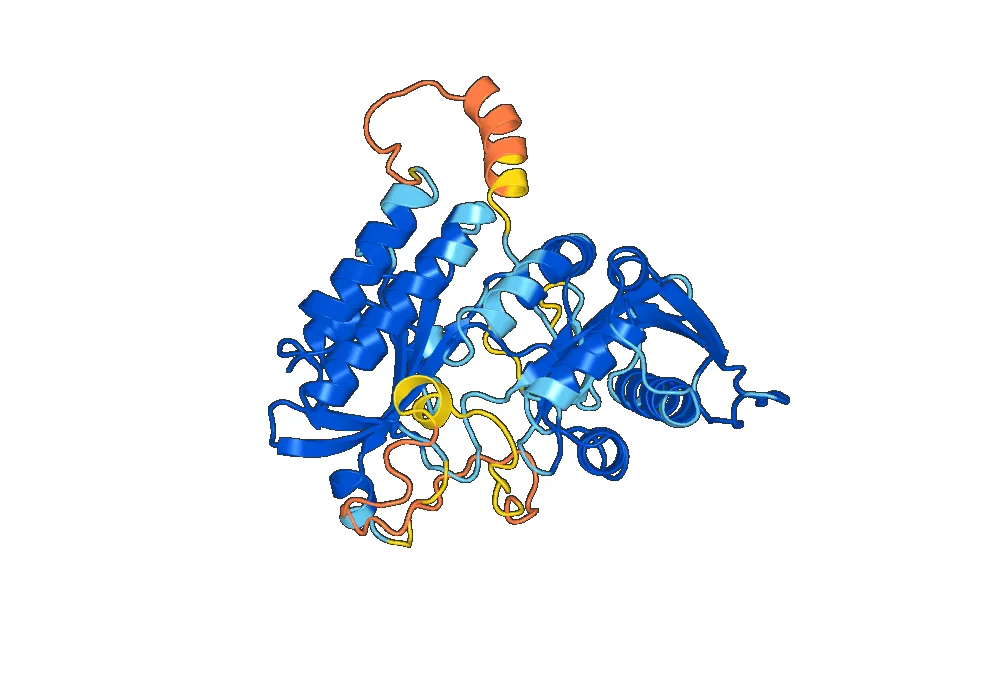
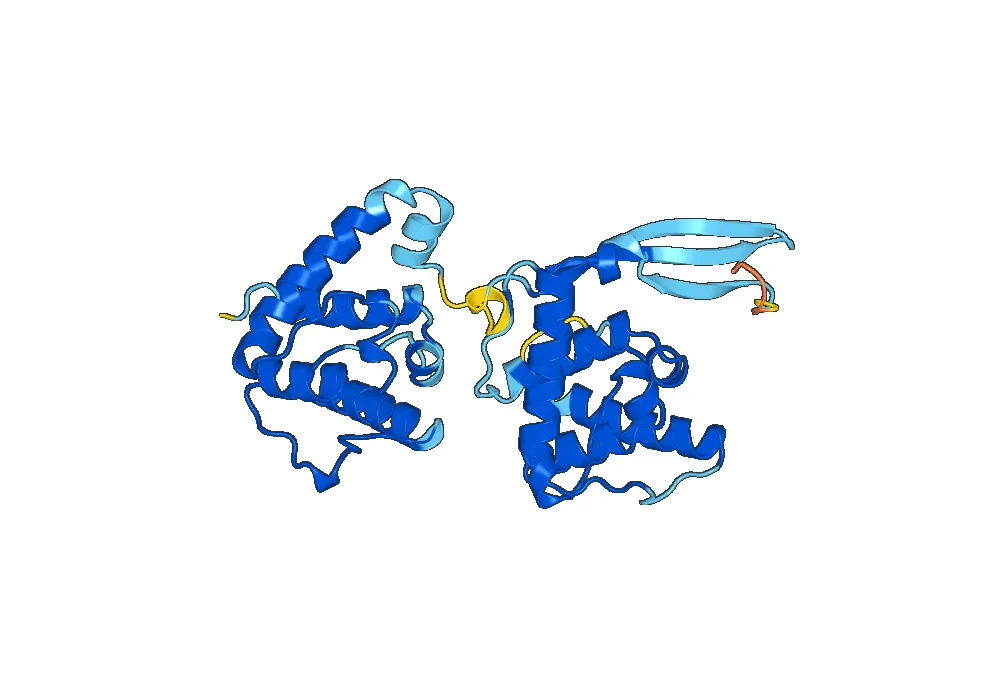
The Recombinant Human ATAD2 Protein is a 135 kDa protein consisting of 1185 amino acids. It contains an ATPase domain, a bromodomain, and a C-terminal domain. The ATPase domain is responsible for the ATPase activity of the protein, while the bromodomain is involved in binding to acetylated histones, regulating gene expression. The C-terminal domain is responsible for protein-protein interactions and plays a role in the protein’s function as a transcriptional co-activator.
Activity of Recombinant Human ATAD2 Protein
Recombinant Human ATAD2 Protein has been found to have multiple functions in different cellular processes. It is primarily known for its role in chromatin remodeling, where it acts as a chromatin modifier by binding to acetylated histones and regulating gene expression. This protein has also been shown to play a role in DNA repair and replication, as well as cell cycle progression by interacting with various proteins involved in these processes.
Moreover, Recombinant Human ATAD2 Protein has been found to be overexpressed in various types of cancer, including breast, lung, and colon cancer. It has been suggested that this protein may play a role in promoting tumor growth and metastasis by regulating the expression of genes involved in cell proliferation and invasion.
Application of Recombinant Human ATAD2 Protein
The unique structure and activity of Recombinant Human ATAD2 Protein make it a valuable tool for various applications in the field of biotechnology and medicine. One of the major applications of this protein is in the study of chromatin remodeling and gene expression. By using this protein, researchers can better understand the mechanisms involved in these processes and potentially develop new therapies for diseases caused by dysregulation of gene expression.
Another important application of Recombinant Human ATAD2 Protein is in cancer research. As this protein is overexpressed in many types of cancer, it can serve as a potential biomarker for cancer diagnosis and prognosis. Additionally, targeting this protein with specific inhibitors may provide a new approach for cancer treatment.
Furthermore, Recombinant Human ATAD2 Protein has been used in drug discovery and development. By understanding its role in various cellular processes, researchers can design and test drugs that target this protein for the treatment of diseases such as cancer and other chromatin-related disorders.
Conclusion
In conclusion, Recombinant Human ATAD2 Protein is a crucial protein involved in various cellular processes, including chromatin remodeling, transcriptional regulation, and cell proliferation. Its unique structure and activity make it a valuable tool for studying these processes and developing new therapies for diseases caused by their dysregulation. With further research and development, this protein has the potential to make a significant impact in the fields of biotechnology and medicine.

There are no reviews yet.